Costa Rica
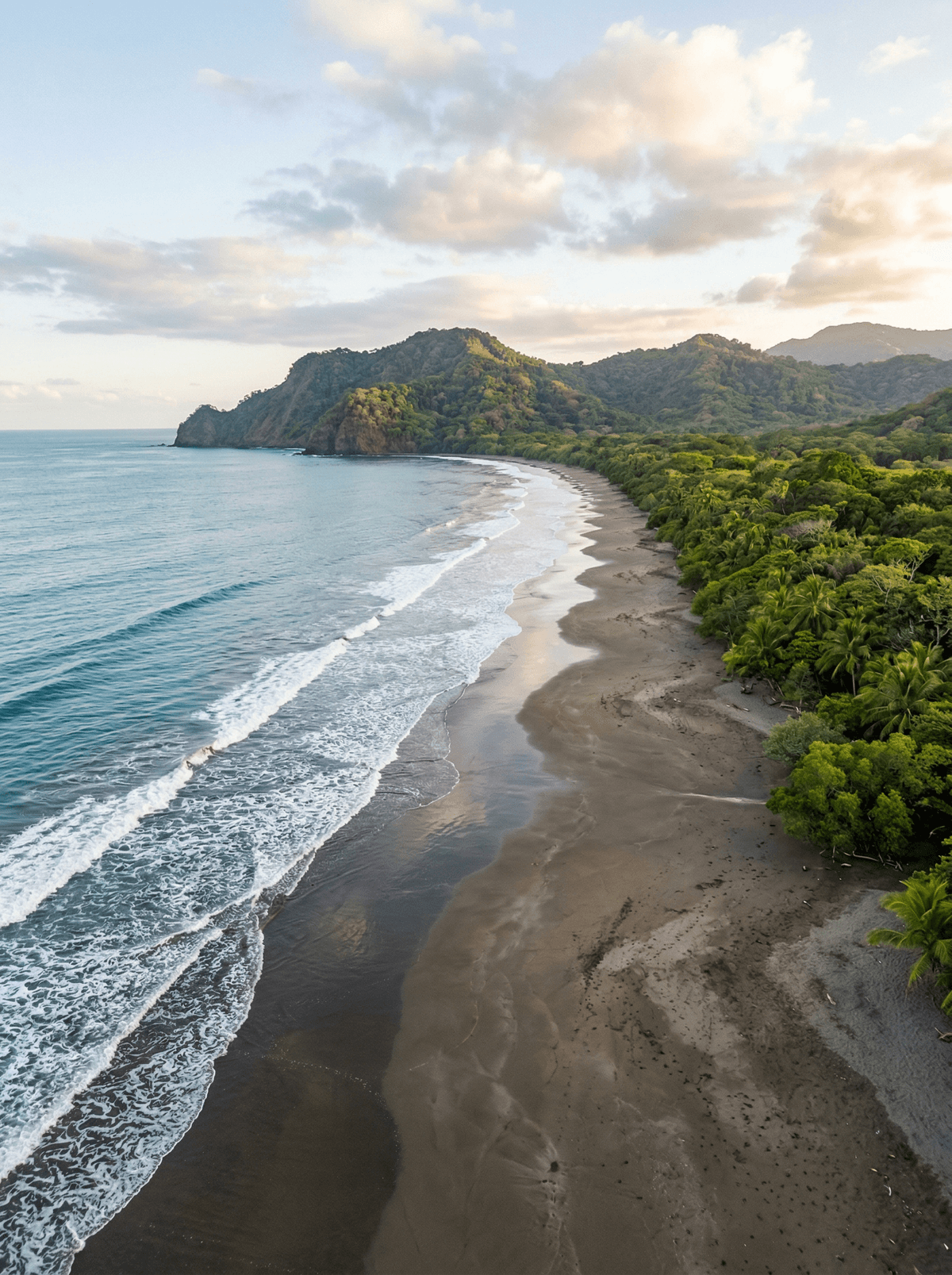
Las Baulas Marine Park
A turtle without a hard shell hauls ashore in darkness, her lineage 100 million years old.
Total darkness, red light only. At the ranger station you wait for word that a female is ashore; then you cross the sand in silence to watch a leatherback — the largest sea turtle on Earth — dig her nest with flippers older than any living design. Las Baulas exists for this.
The leatherback has no hard shell — her back is flexible skin stiffened by thousands of tiny bone fragments, the ridged 'baula' look that named the park — and her kind has crossed the oceans for more than 100 million years, diving deeper and colder than any other sea turtle on a diet of jellyfish. Las Baulas, created in 1991, protects some of the most important leatherback nesting beaches on Earth: Playa Grande, Ventanas and Langosta, with the broad Tamarindo mangrove estuary behind them. From October to February, peaking in November and December, females return to the sand where they hatched and bury clutches of some eighty eggs half a metre down. Night access is tightly held — small authorised groups, certified guides, no white light — because the visit only matters if she keeps coming back.
Solo
Profoundly solitary even in a group: the darkness, the breathing, the scale of her. Morning surf at Playa Grande completes the coast's two languages.
Couple
Shoulder to shoulder in darkness while a 350-kilogram mother digs — the kind of shared hour that rewires what you expect from a holiday.
Family
Children old enough for silence will carry this for life — the walks are structured to protect the turtles first and the wonder second.
- One of Earth's most critical nesting sites for the leatherback, the largest sea turtle, whose lineage spans 100 million years.
- Season runs October to February, peaking in November and December, when females return to their own natal beach.
- The park pairs three nesting beaches with the broad Tamarindo mangrove estuary — 22,000 hectares of it ocean.
- The nesting beaches open at night only on guided visits. Silence and red light are the standing rules.
Chicheme — Guanacaste's sweet corn drink, cooling after an exposed walk on the estuary.
Fish tacos in Playa Grande's surf shacks — quick fuel between morning waves and the night walk.
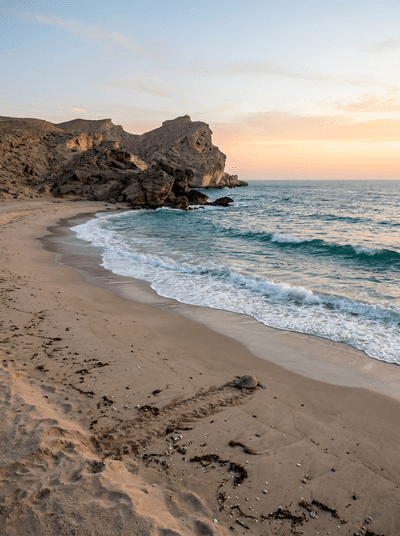
Ras al Jinz
Oman
Green turtles haul ashore by night on one of the Indian Ocean's busiest nesting beaches.
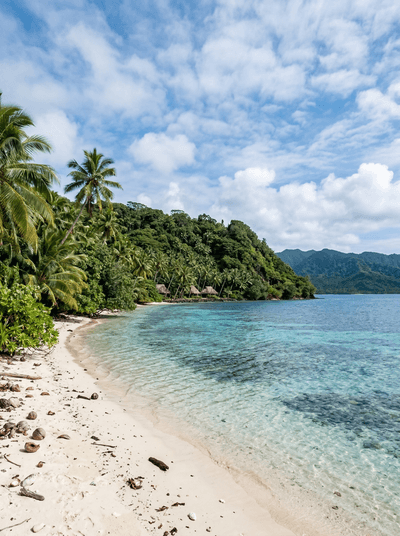
Manono Island
Samoa
An island with no cars, no dogs, and a grave of ninety-nine stones, one wife each.
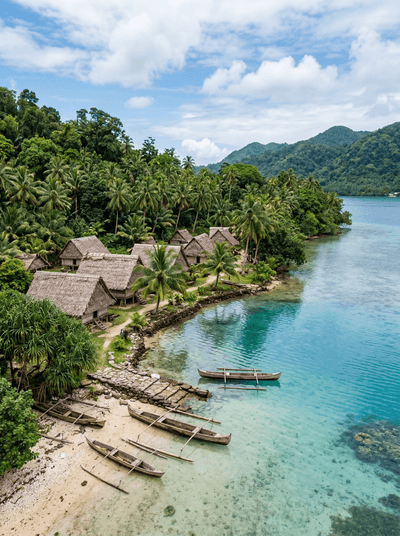
Yap
Micronesia
Stone money too heavy to move, so ownership transfers by word alone on this jungle island.
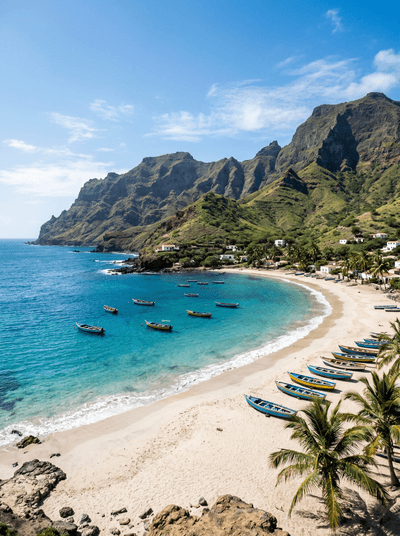
Tarrafal
Cape Verde
A palm-shaded swimming cove shares its town with the prison called the Camp of Slow Death.