Mexico
Cenote Dos Ojos
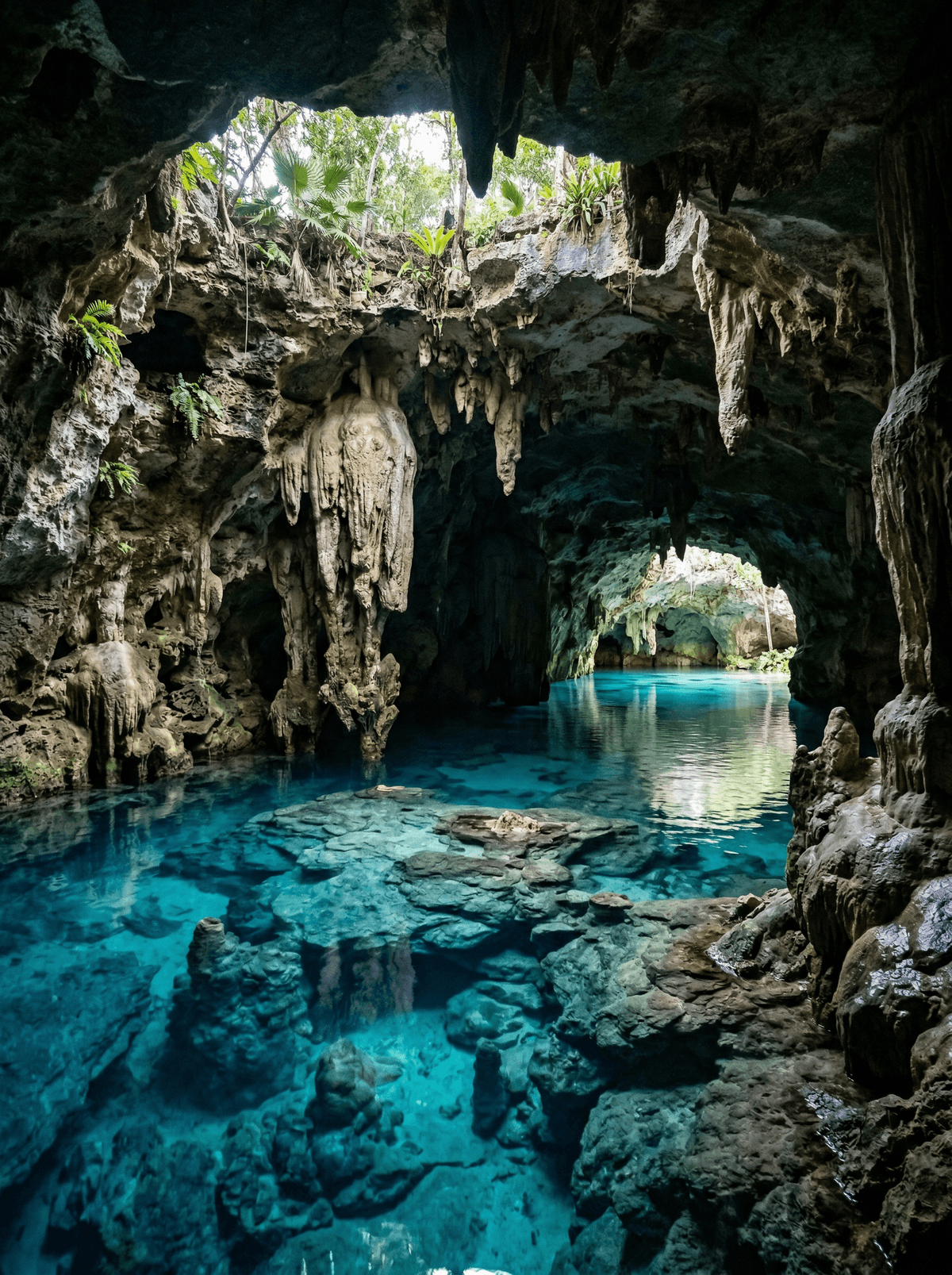
Beneath the forest floor, two clear pools open into a drowned cave world.
From above they are just two dark eyes in the forest floor. Underwater, torchlight finds the space between them, where the limestone opens into passages that swallow the light whole.
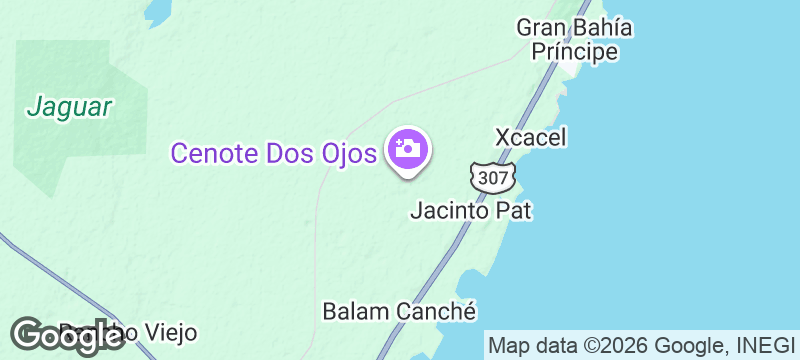
Dos Ojos pairs two flooded sinkholes on the cenote corridor near Tulum, and the water is clear enough to make depth hard to judge. Snorkellers circle the two pools and the Bat Cave on regulated circuits, while the cavern routes beyond demand certified guides and proper equipment, because the openings lead into an extensive cave system. It is a place run on rules, and the rules are what keep its clarity worth crossing the world for.
Friends
Book a guided cavern circuit together and compare torch-lit stories over lunch in Tulum.
- Dos Ojos offers regulated snorkelling and cavern-diving circuits through exceptionally clear limestone water.
- Certified guides and the correct equipment are essential because open-water views lead into an extensive cave system.
- The Bat Cave and two main pools create a substantial visit in their own right.
The park's own restaurant plates taco lunches between swims.
In Tulum pueblo minutes away, family taquerías add cochinita and panuchos for the fuller meal.
Gansbaai
South Africa
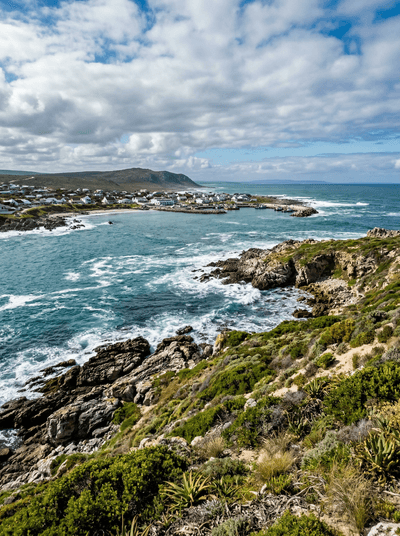
Seals bark beyond the kelp while open-ocean predators circle a working fishing harbour.
Kalymnos
Greece
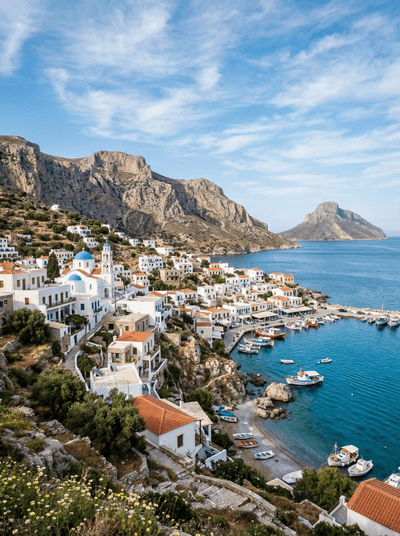
Chalk-dusted hands on overhanging limestone where sponge divers' grandchildren turned an island into a climbing mecca.
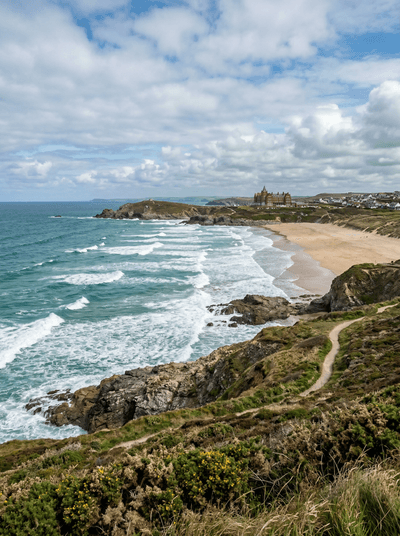
Newquay
England
Atlantic swells smash into seven beaches at the modern home of British surfing.
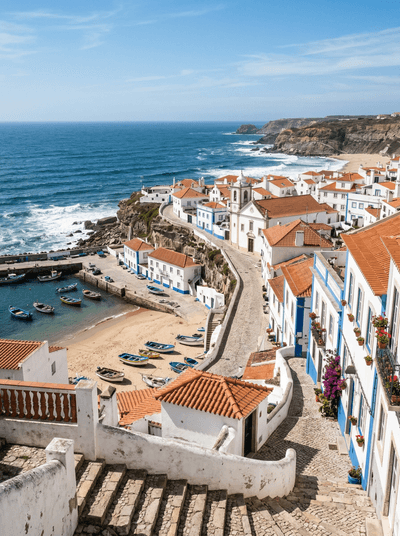
Ericeira
Portugal
Europe's first World Surfing Reserve — whitewashed cliffs above reef breaks in cold blue.
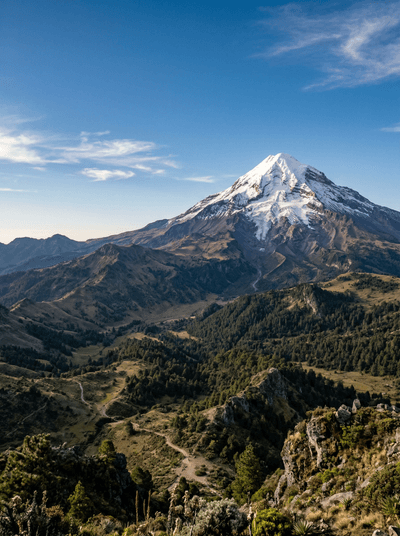
Pico de Orizaba
Mexico
Mexico's highest mountain rises from forest routes to a serious high-altitude summit.
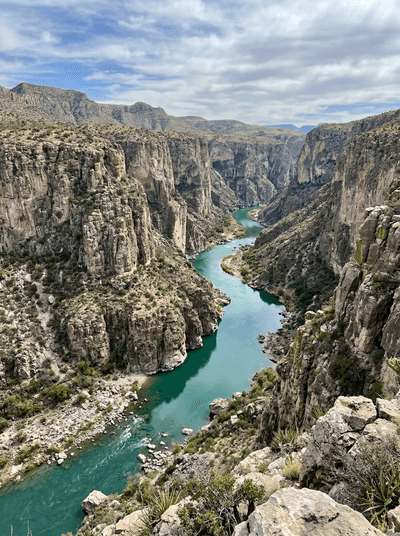
Cañón del Pegüis
Mexico
The Río Conchos cuts striped desert rock into a remote Chihuahua gorge.
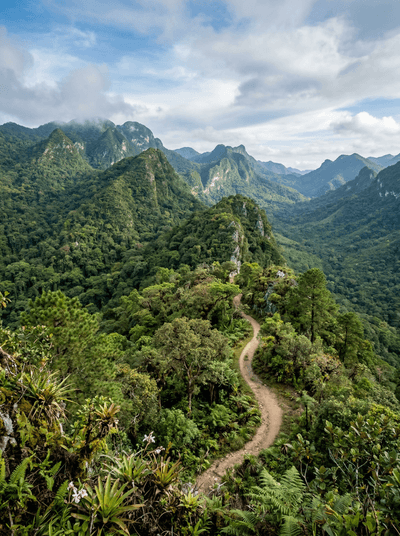
El Cielo Biosphere Reserve
Mexico
Tropical forest gives way to cloud forest along one steep Tamaulipas reserve.
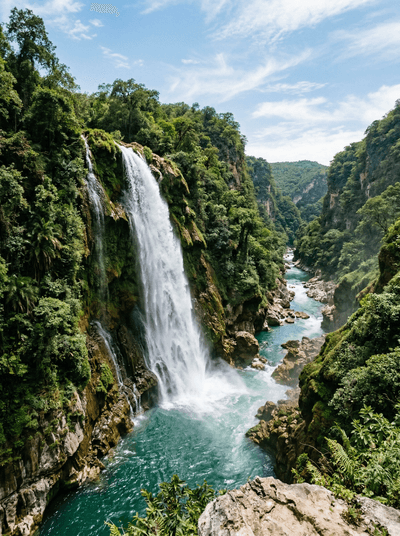
Cascada de Tamul
Mexico
Rowed boats approach a tall waterfall through the limestone Tampaón river system.