Brazil
Bananal Island
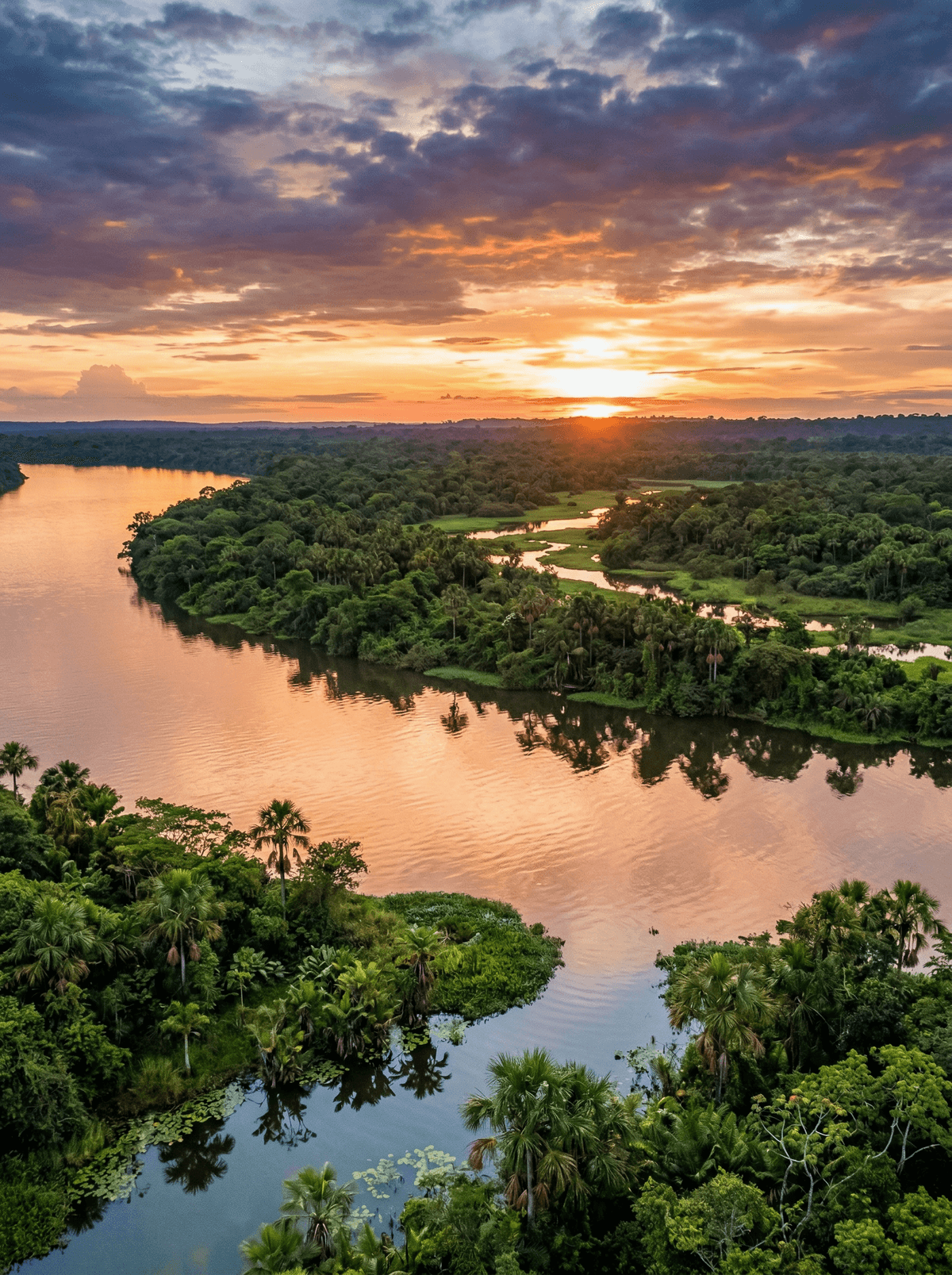
The world's largest river island spends much of the year under the water that made it.
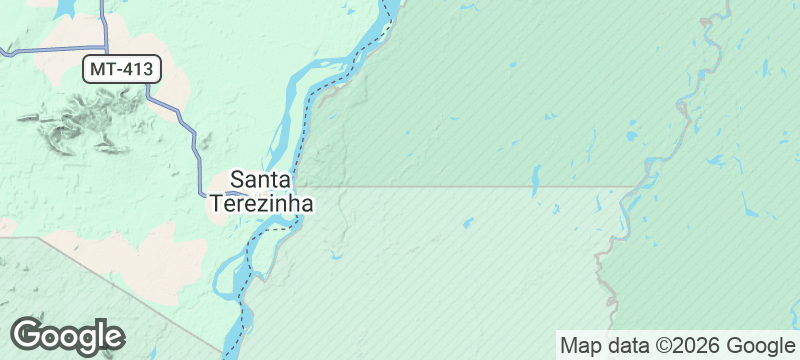
Ilha do Bananal sits between the Araguaia and the Javaé, and it is the largest river island on Earth, roughly twenty thousand square kilometres of it. For much of the year most of that is under water. When the level drops, river beaches come out along both channels, and camping on them is what a trip here is built around.
The northern part of the island is Parque Nacional do Araguaia, created by decree on 31 December 1959 and now 555,524 hectares, down from the two million it began with. Its threatened-species list runs to jaguar, giant armadillo, giant anteater, marsh deer and giant otter, alongside three birds and a freshwater mussel. The park is legally two things at once: 378,663 hectares of it, 67.79 per cent, is also Terra Indígena Inãwébohona, the remaining 32.21 per cent overlaps Terra Indígena Utaria Wyhyna and Iròdu Iràna, and a 2006 presidential decree put it under joint administration by FUNAI, IBAMA and the Javaé, Karajá and Avá-Canoeiro. The rest of the island is the Parque Indígena Araguaia, about 1,358,000 hectares homologated on 15 April 1998, where roughly 4,503 people of the Apyãwa, Avá-Canoeiro, Iny Karajá and Javaé live across Formoso do Araguaia, Lagoa da Confusão and Pium. In the island villages of Santa Isabel do Morro, Werebia and Watau, Karajá women model ritxòkò from clay and paint them with the stripes, dots and diamonds of festival body graphics, each figure carrying a scene of village life, a myth or a ceremony; Brazil entered them in its Book of Forms of Expression on 25 January 2012 and revalidated the listing on 17 June 2025.
Solo
Travelling alone works here if you travel attached. The two lawful shapes are an authorised village itinerary and a staff-accompanied excursion out of the park headquarters at Pium, and the FUNAI and IBAMA paperwork is arranged before you set off.
Friends
A group is what makes a dry-season camping trip on the river beaches worth the effort of getting here, with the fishing and the wildlife watching to fill the days. Buy ritxòkò from the women who make them in the villages, which is where the registered practice actually lives.
- Visits inside the national park are ordered ones, land and river excursions near the headquarters at Pium in the company of park staff.
- Navigating the island's waters takes IBAMA authorisation, and going into the villages takes FUNAI permission.
- Ritxòkò, the clay figures Karajá women model and paint, are registered Brazilian heritage and are made in three villages on this island.
- The channels hold pirarucu, surubim, caranha and piranha, and the beaches that surface in the dry season are where camping and wildlife watching happen.
Every meal here came in on the boat or the truck, eaten on sand that exists only because the river dropped.
What the water adds is fish: pirarucu, surubim, caranha and piranha all come out of the channels either side.
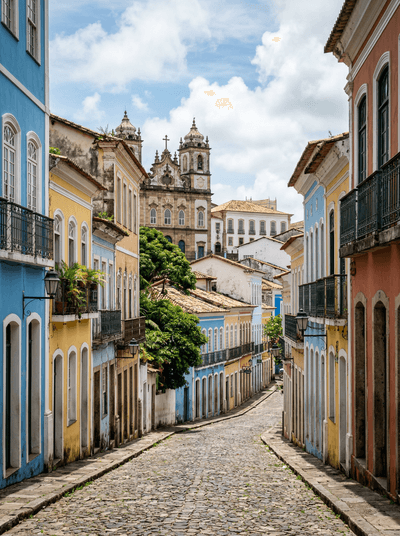
Salvador
Brazil
Drum rhythms ricocheting off colonial walls where song, dance and combat happen at once.
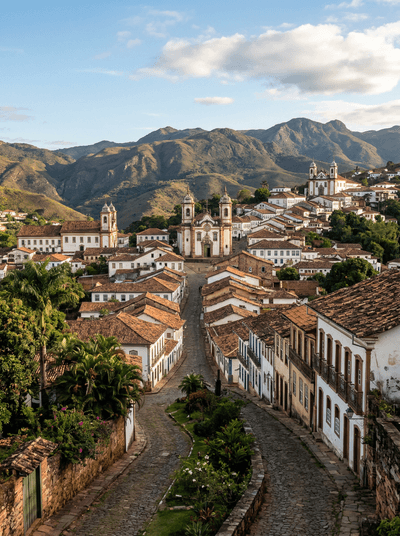
Ouro Preto
Brazil
Baroque churches dripping gold leaf in a mining town where the cobblestones still remember revolution.
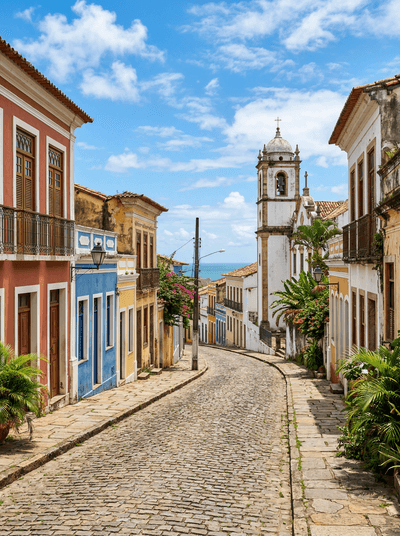
Olinda
Brazil
Candy-coloured colonial streets tumbling downhill to the sea, alive with maracatu drums and giant puppets.
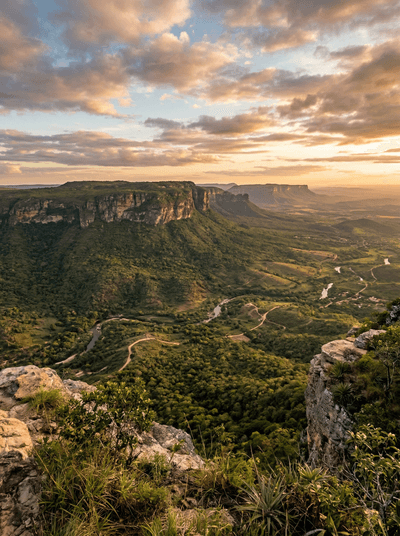
Chapada do Araripe
Brazil
Diggers call this rock pedras de peixe, fish stones, and that is exactly what is inside.