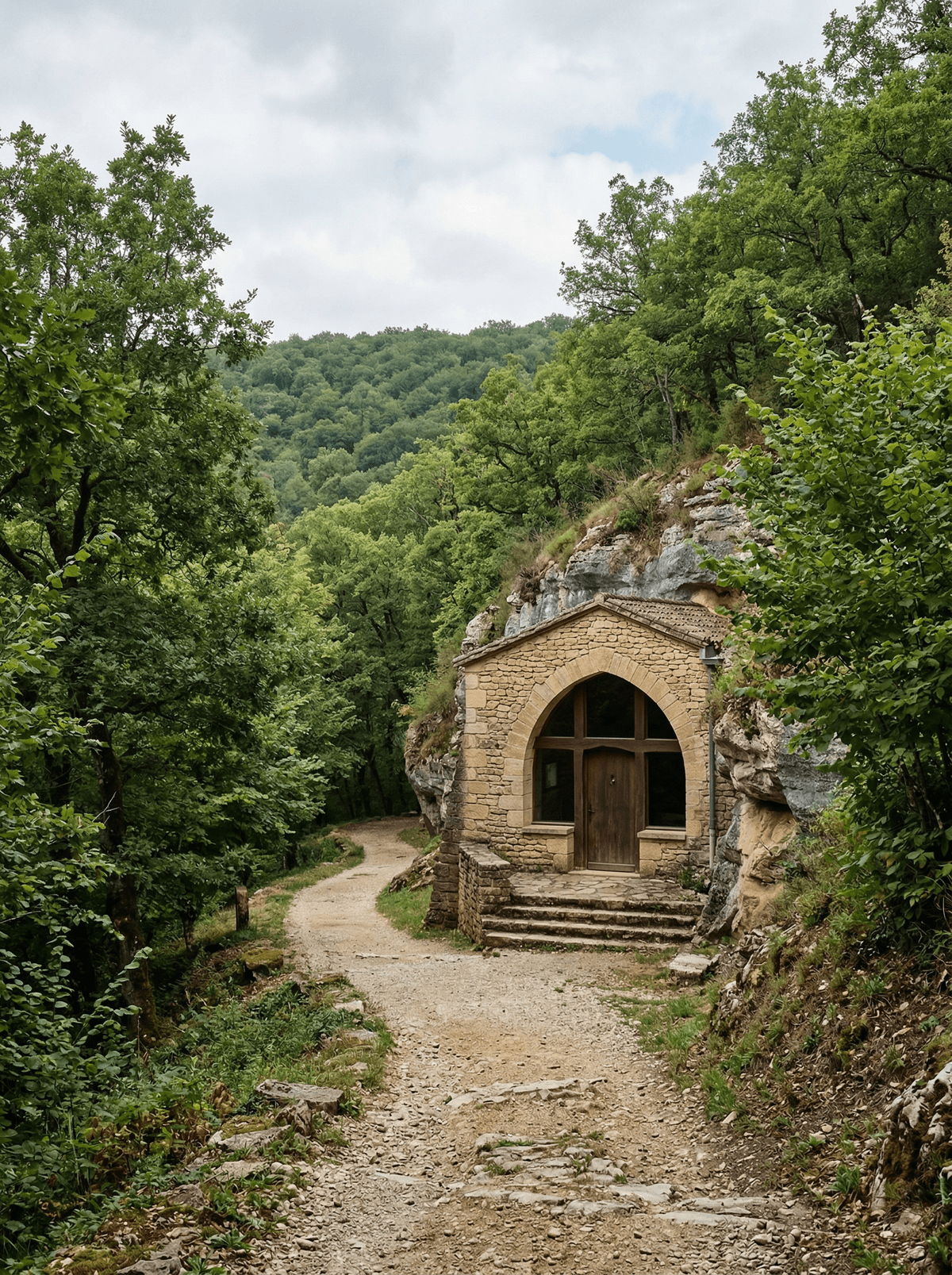
France
Lascaux
Ice-age bison replicated so precisely your brain forgets it is standing in a copy.
Bison gallop across cave walls in ochre and charcoal, their muscles tensed in motion frozen more than seventeen thousand years ago. Lascaux, in France's Dordogne, is where prehistory becomes visceral — the facsimile cave recreates the original at full scale, and standing in the dark with the painted animals overhead stops conversation cold.
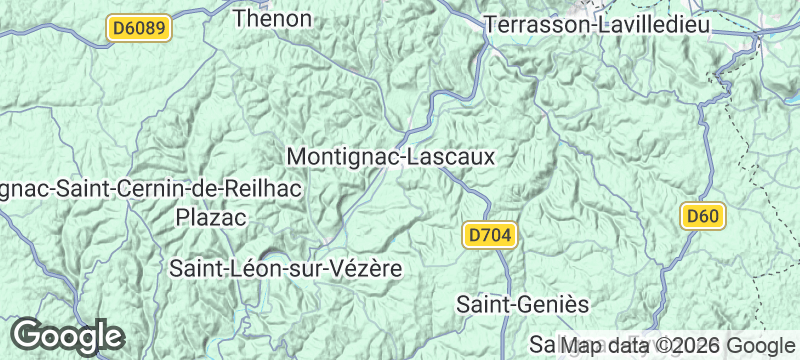
Four teenagers found the cave in 1940, and its painted galleries — the Hall of the Bulls above all — opened a new era in what we know of prehistoric art and of ourselves. The original was closed in 1963 when the breath and warmth of a million visitors began to damage it, and it has stayed shut ever since; what you enter now is Lascaux IV, the International Centre for Parietal Art, opened in 2016, where the whole decorated cave has been reproduced from survey data by the facsimile workshops of the Périgord, then explained in galleries that let you read the animals, the signs and the painting techniques panel by panel. The Vézère valley around it holds fifteen prehistoric sites listed by UNESCO, a landscape people have lived in for four hundred thousand years.
Solo
The cave demands attention. Standing beneath art this old without the distraction of conversation lets the scale of time register physically.
Couple
Enter the cave together — the darkness, the reveal, the silence. It is a place that makes a shared memory with unusual staying power.
Family
Children are stunned by the cave — the darkness, the animals, the age — and the centre's galleries let them grasp what painting meant before writing existed.
- Bison, horses, deer and the huge bulls, painted more than seventeen thousand years ago and reproduced here at full scale and full emotional force.
- The International Centre for Parietal Art, opened in 2016, sets the facsimile cave inside galleries that decode every animal and sign.
- The original cave was closed in 1963 to save the paintings from their own visitors — the copy is the only way anyone will ever see them.
- The Vézère valley around Lascaux holds fifteen prehistoric sites listed by UNESCO — people have lived here for four hundred thousand years.
Dordogne strawberries in season, sun-warmed and eaten from a paper bag at a roadside farm stand.
Walnut cake and walnut oil from the Périgord groves — the valley's second crop after prehistory.
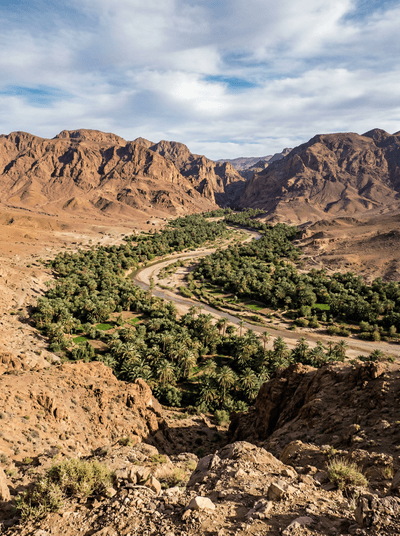
Draa Valley
Morocco
Two and a half million date palms carry a green river towards the Sahara.
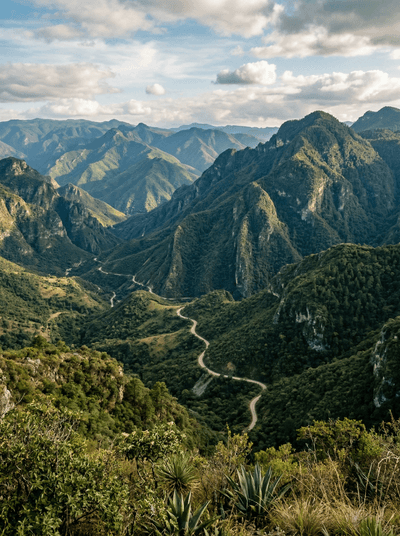
Sierra Gorda
Mexico
Five Franciscan missions hide in a canyon biosphere where desert, cloud forest and jungle collide.
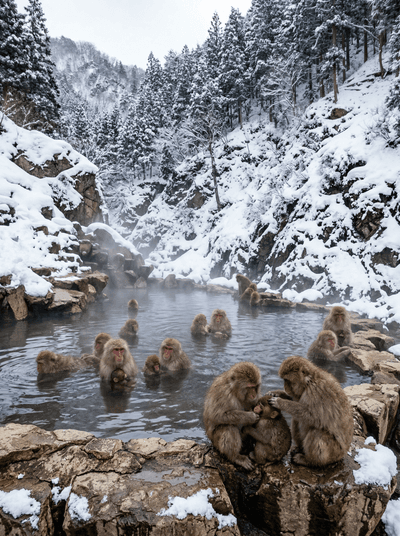
Jigokudani Monkey Park
Japan
Snow monkeys soaking in a hot spring while the snow piles up on their heads.
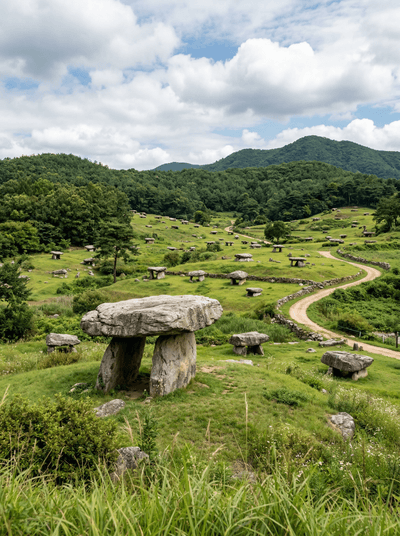
Gochang Dolmen Site
South Korea
Four hundred and forty-seven prehistoric tombs scatter one valley; the largest stone weighs 300 tonnes.
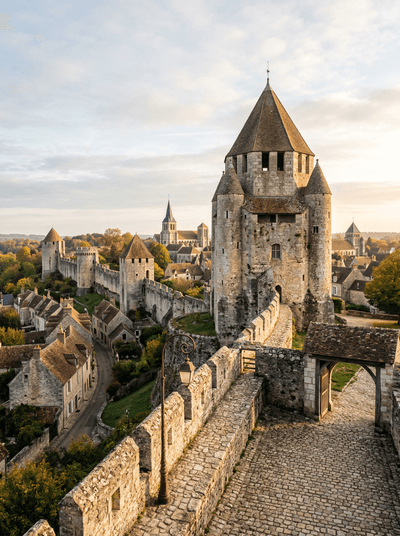
Provins
France
Underground galleries and a rose harvest in a medieval fair town that once rivalled Paris.
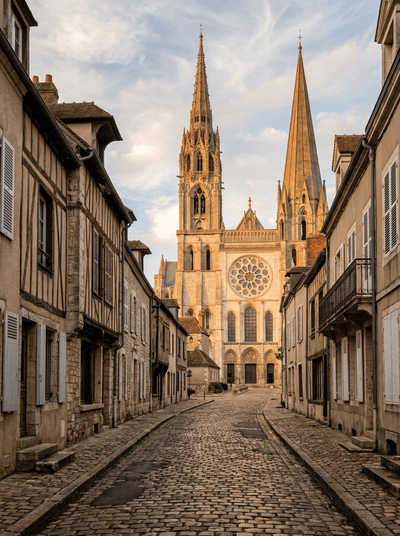
Chartres
France
Light through medieval glass so vivid the blue was named after the cathedral itself.
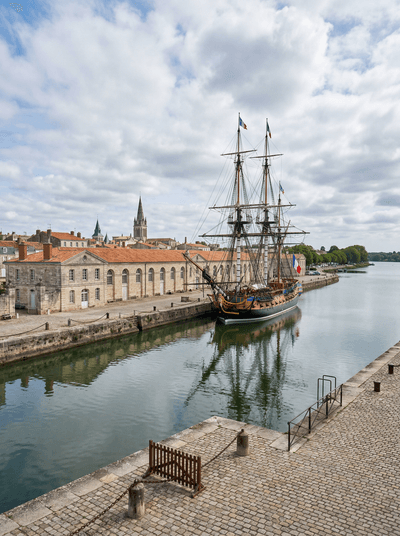
Rochefort
France
A naval town where they rebuilt an eighteenth-century frigate plank by plank in the original dock.
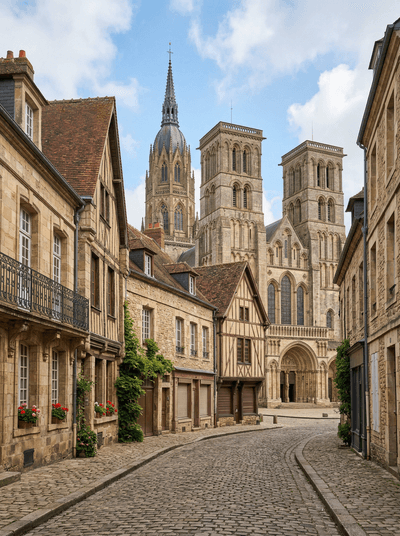
Bayeux
France
The town war forgot to bomb, keeper of the embroidery that stitched 1066.