France
Saorge
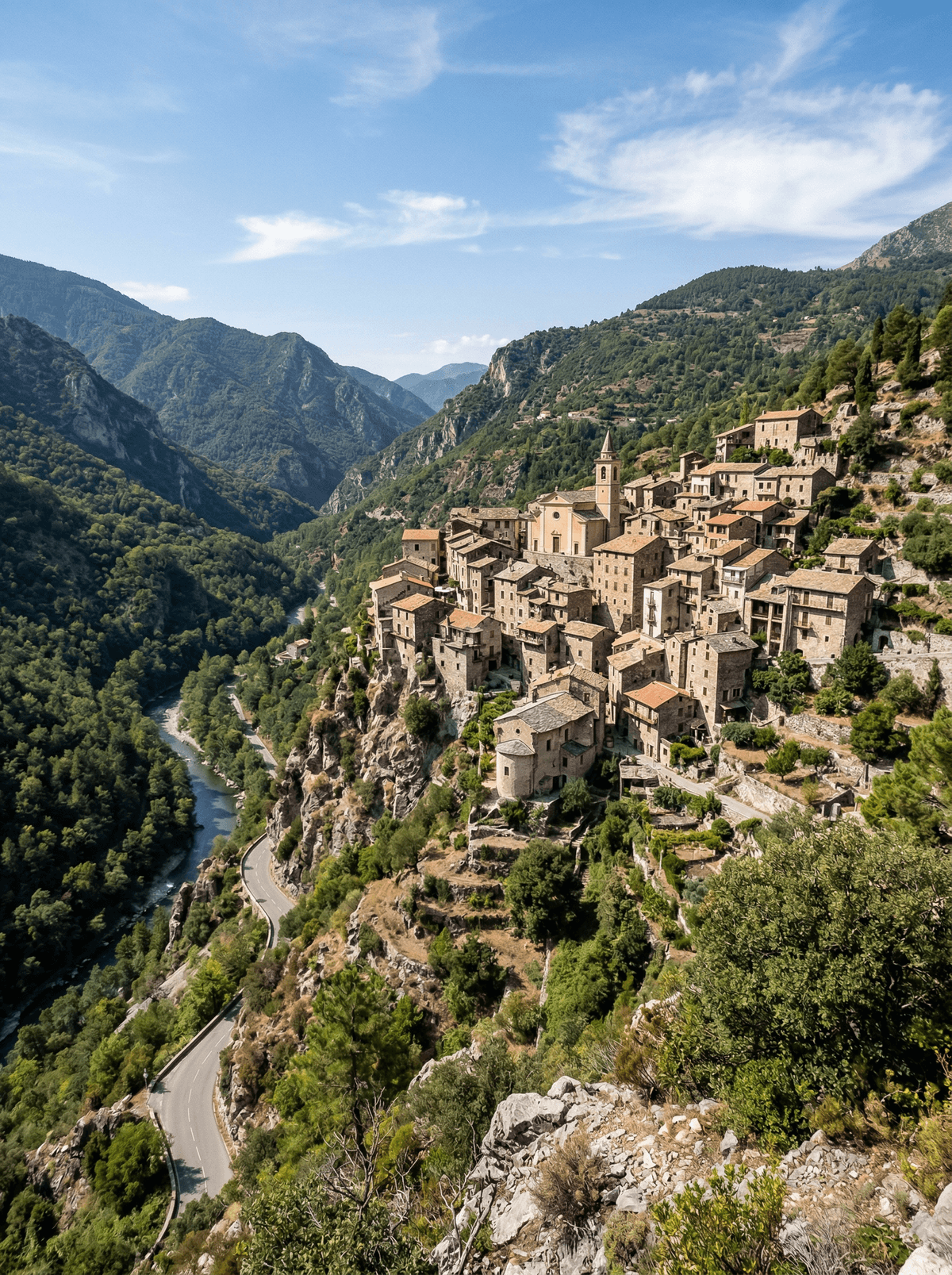
Houses stacked into a gorge wall like an amphitheatre, with the Roya river as the stage.
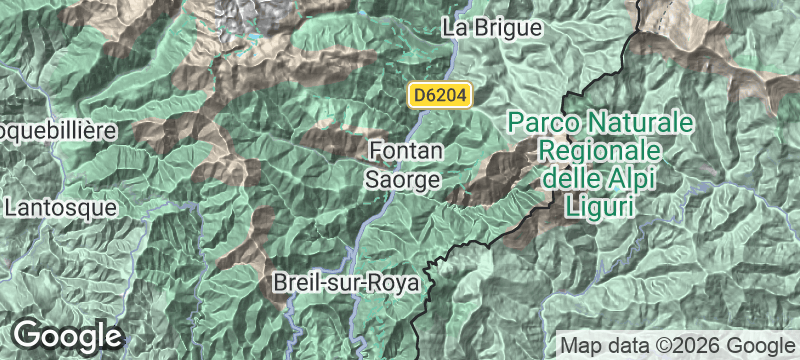
The houses curve into the gorge wall in tiers, each balcony looking over the roof below, the whole village shaped like an amphitheatre with the Roya performing at the bottom. Saorge sits in the borderland between French Provence and Italy, a vertical village in a narrow valley where the cooking, the language and the light all shift between two countries.
Saorge is a medieval village and a former fortress hung on the mountainside above the Roya gorge, a maze of lanes and vaulted passages stacked so steeply that you climb through it by stairways, and it wears the Plus Beaux Villages badge. Above it the Baroque Franciscan monastery watches over the valley from its terrace, with a view over the gorge and the peaks around; below, the railway of the Roya threads its way up from Nice to Tende and into Italy through spiral tunnels and viaducts, one of the finest mountain lines, and Saorge has its own halt. The food is border food — barbagiuan, the fried pastries stuffed with chard and pumpkin that belong to this valley and to Monaco, and the mild Taggiasca olive oil from the Ligurian groves just over the line. The village is on foot only; park at the bottom and climb.
Solo
Arrive by train through the spiral tunnels, climb to the monastery, and look down on the amphitheatre of houses curving into the gorge. The border cooking — half French, half Italian — matches the geography.
Couple
The tiered village puts every balcony at a different height and every window at a different angle — the evening light moving across the gorge wall touches each house in turn. Dinner at one of the tiny restaurants is barbagiuan with Ligurian oil.
- The village curves into the Roya gorge like a vertical amphitheatre — every house looks over the roof of the one below.
- The Baroque Franciscan monastery above the village has a terrace with a view over the whole gorge and the peaks.
- The Roya railway — spiral tunnels and viaducts from Nice up to Tende and Italy — stops below the village.
- Border-country cooking blends French and Italian — barbagiuan pastries and Ligurian olive oil cross the line freely.
Barbagiuan — fried pastries stuffed with Swiss chard and pumpkin — the Roya valley's signature, eaten hot in the hand.
Taggiasca olive oil from the Ligurian groves over the border — fruity and mild, poured over everything.
Takeda Castle Ruins
Japan
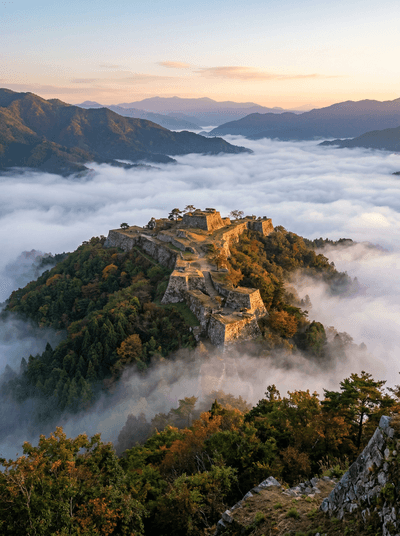
Stone ramparts adrift on a sea of cloud at dawn — Japan's Machu Picchu.
Batopilas
Mexico
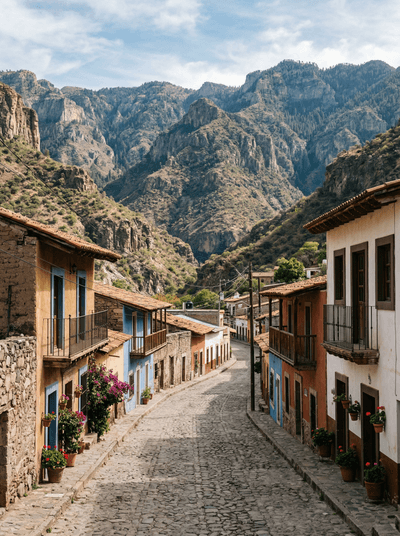
A plunging canyon road ends among palms, aqueducts and silver-era stonework.
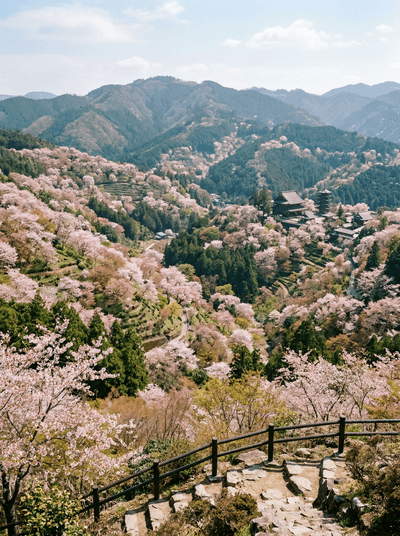
Yoshino
Japan
Thirty thousand cherry trees blooming up a sacred mountain in pink tidal waves.
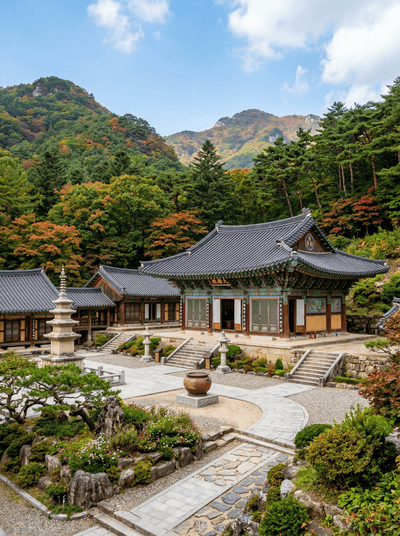
Seonunsa Temple
South Korea
For two weeks each September the temple valley floor turns spider-lily red.
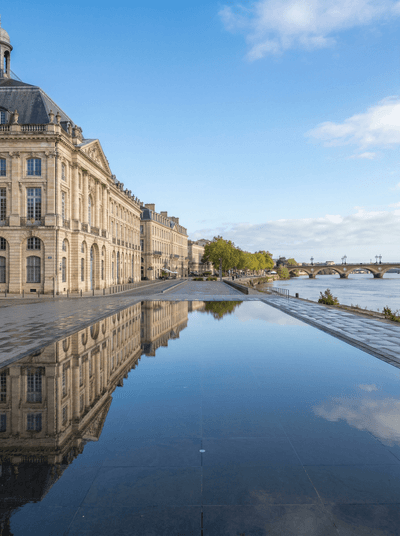
Bordeaux
France
Eighteenth-century grandeur doubled in the Garonne's water mirror — a wine capital scrubbed back to gold.
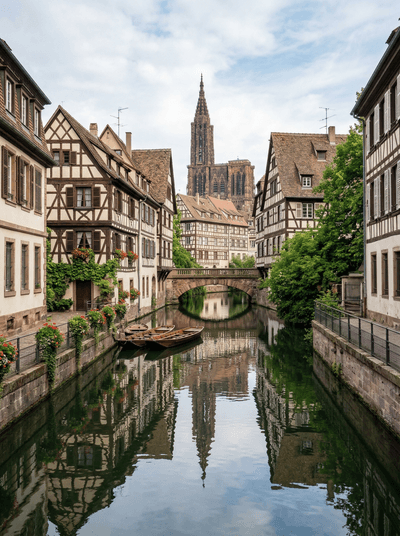
Strasbourg
France
Half-timbered houses over still canals in a Petite France scented with sauerkraut and spice.
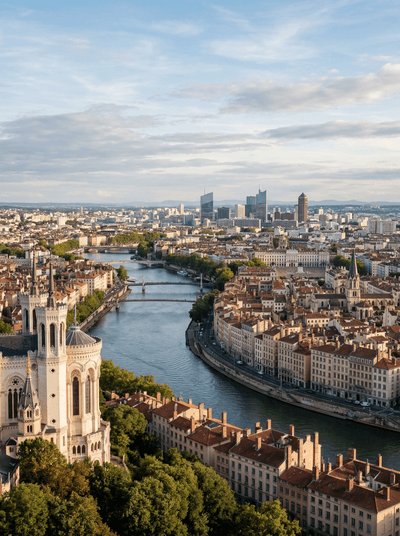
Lyon
France
Silk-workers' secret passages threading between two rivers in the city that feeds France.
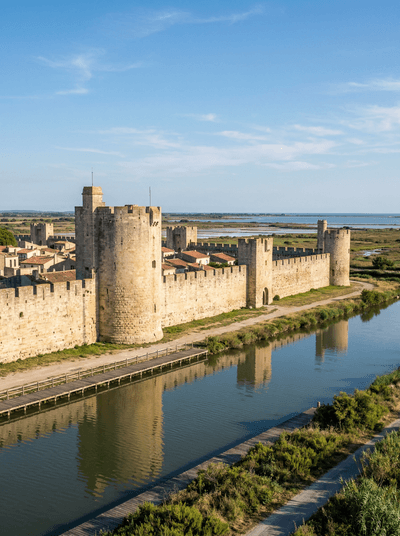
Aigues-Mortes
France
Crusader ramparts stranded on salt flats where the sea withdrew and left a walled port behind.