Mexico
Cobá
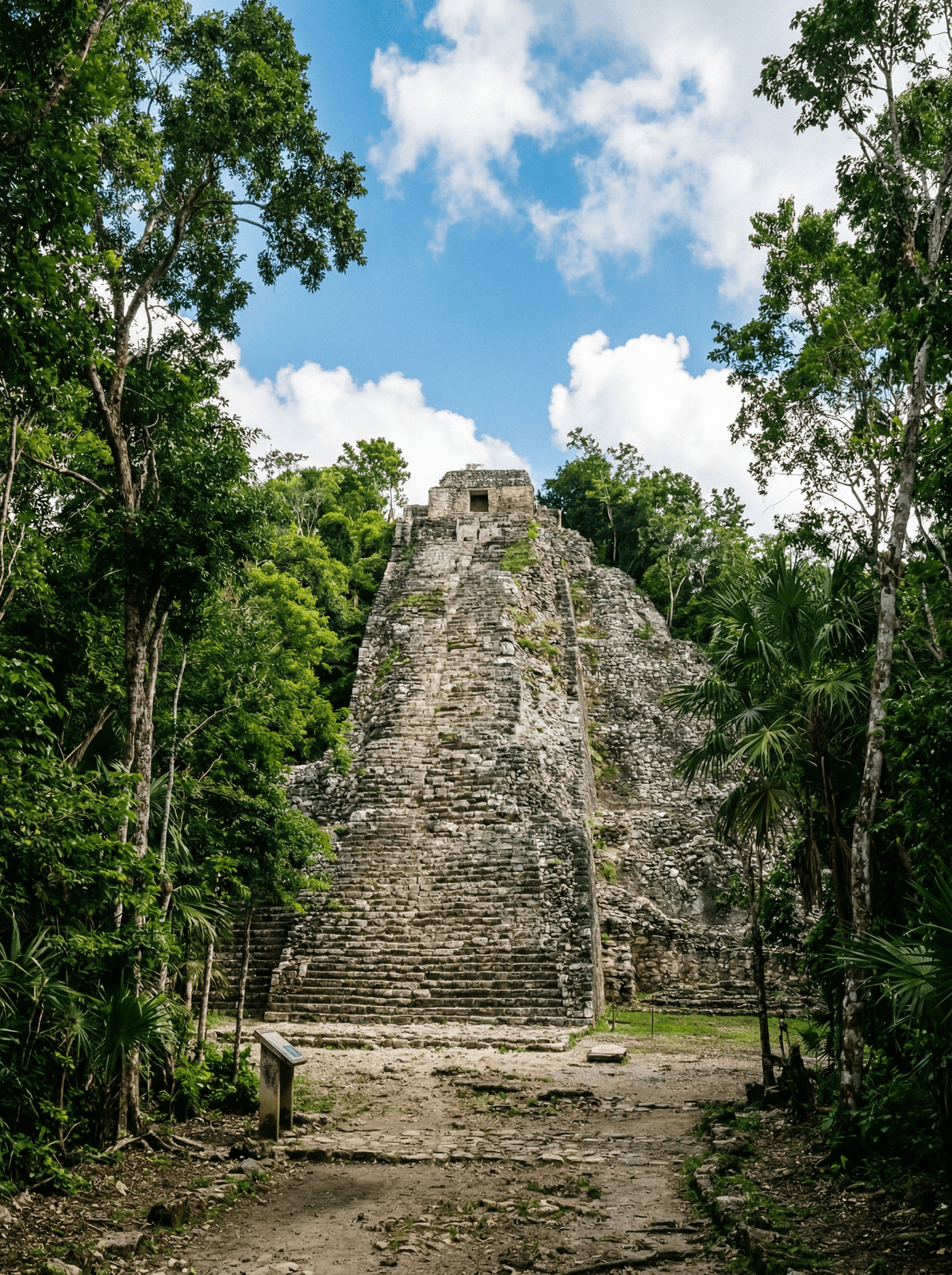
Raised white roads link Maya groups through forest beside the lakes of Cobá.
The old roads are the surprise: raised causeways of pale stone running dead straight beneath the canopy, built to join a scattered city. Cycling one with the forest closing overhead is as close as the Maya world comes to motion.
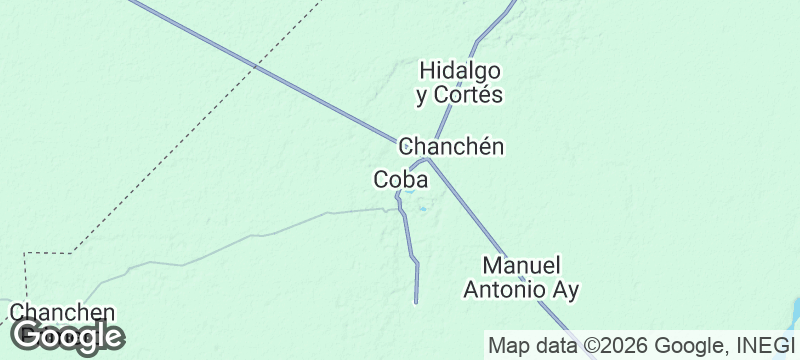
Cobá spreads between forest and lakes, its architectural groups joined by sacbeob, the raised white roads of the Maya. Access to the great pyramid of Nohoch Mul reopened in December 2025 after six years, a new wooden staircase carrying the climb, but the wider circuit of stelae, temples and causeways carries the visit on its own. Bicycles and pedal taxis cover the distances the ancient engineers took for granted.
Solo
Cycle the white roads between building groups while the forest is still cool.
Friends
Share bicycles and the causeway distances, keeping the Nohoch Mul climb for the group's steadiest legs.
Family
Use pedal taxis for younger legs and make the lakes the halfway reward.
- Cobá spreads along raised Maya roads between forest and lakes.
- INAH reopened the ascent of Nohoch Mul in December 2025, with a new wooden staircase for a safe climb.
- The wider circuit includes stelae, sacbeob and multiple architectural groups, so the visit is not only a climb.
The Cobá Fonda Yucateca's menu runs poc chuc, sopa de lima and panuchos beside the ruins.
Cochinita and papadzules complete the village table.
Djara Cave
Egypt
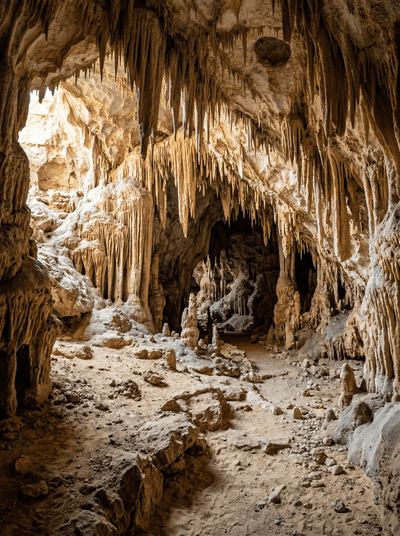
Stalactites hanging in a desert cave where someone painted giraffes when the Sahara was green.
Seram Island
Indonesia
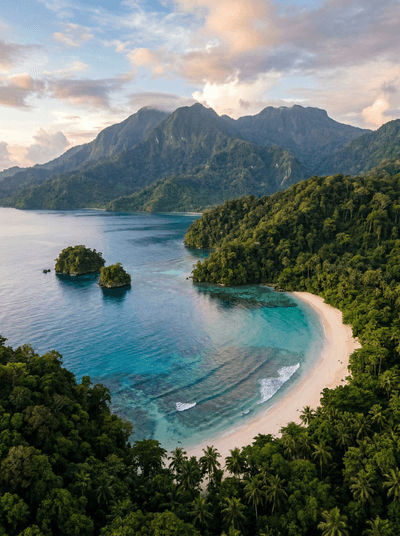
Maluku's mother island rises roadless from the coast, walked only with its hosts.
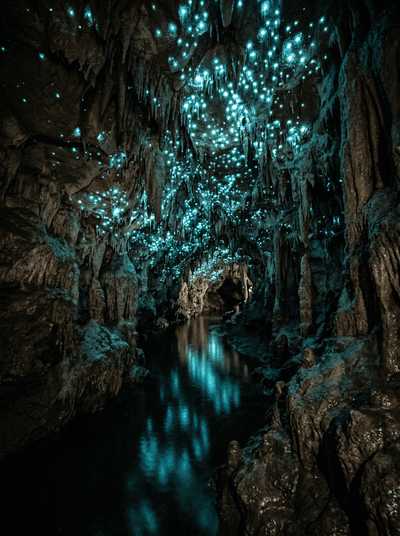
Waitomo Caves
New Zealand
Thousands of glowworms turn subterranean limestone into a ceiling of cold blue stars.
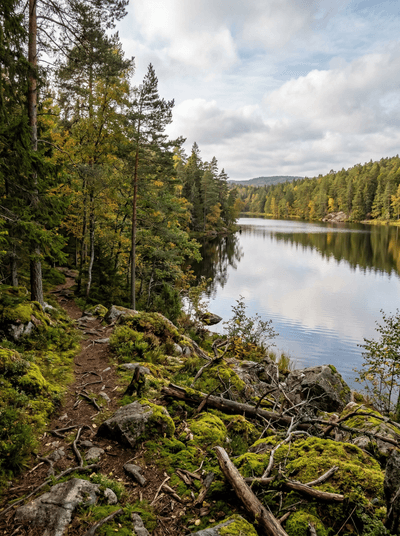
Tyresta National Park
Sweden
Old-growth forest on Stockholm's doorstep, where pines predate Columbus.
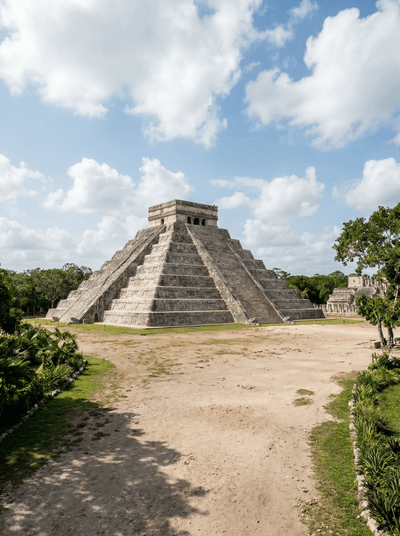
Chichén Itzá
Mexico
Each equinox a serpent of shadow slides down the pyramid to its stone head.
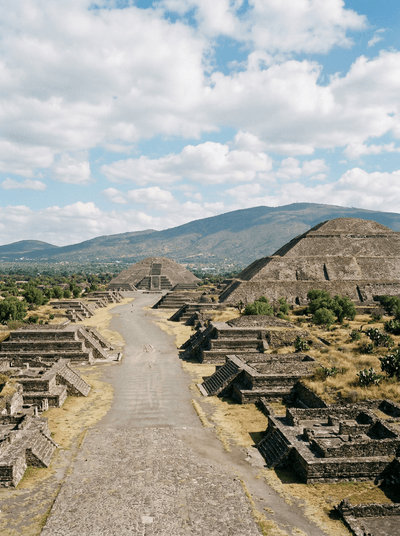
Teotihuacán
Mexico
The Avenue of the Dead runs long enough to carry its own horizon.
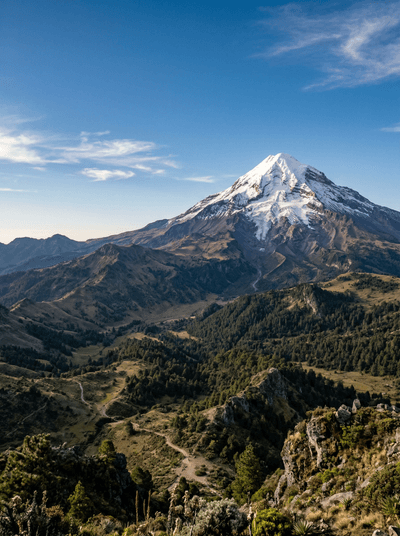
Pico de Orizaba
Mexico
Mexico's highest mountain rises from forest routes to a serious high-altitude summit.
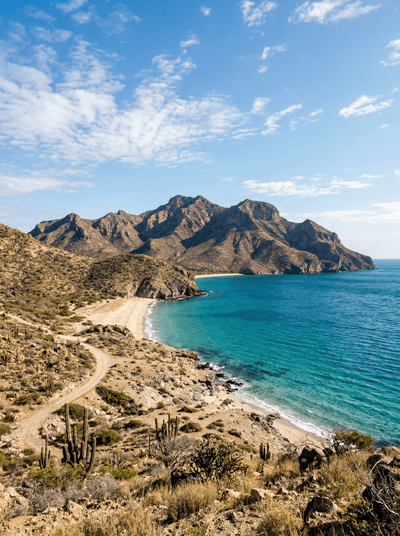
Isla Cerralvo
Mexico
Volcanic ridges rise offshore from La Ventana above reefs shaped by Gulf currents.