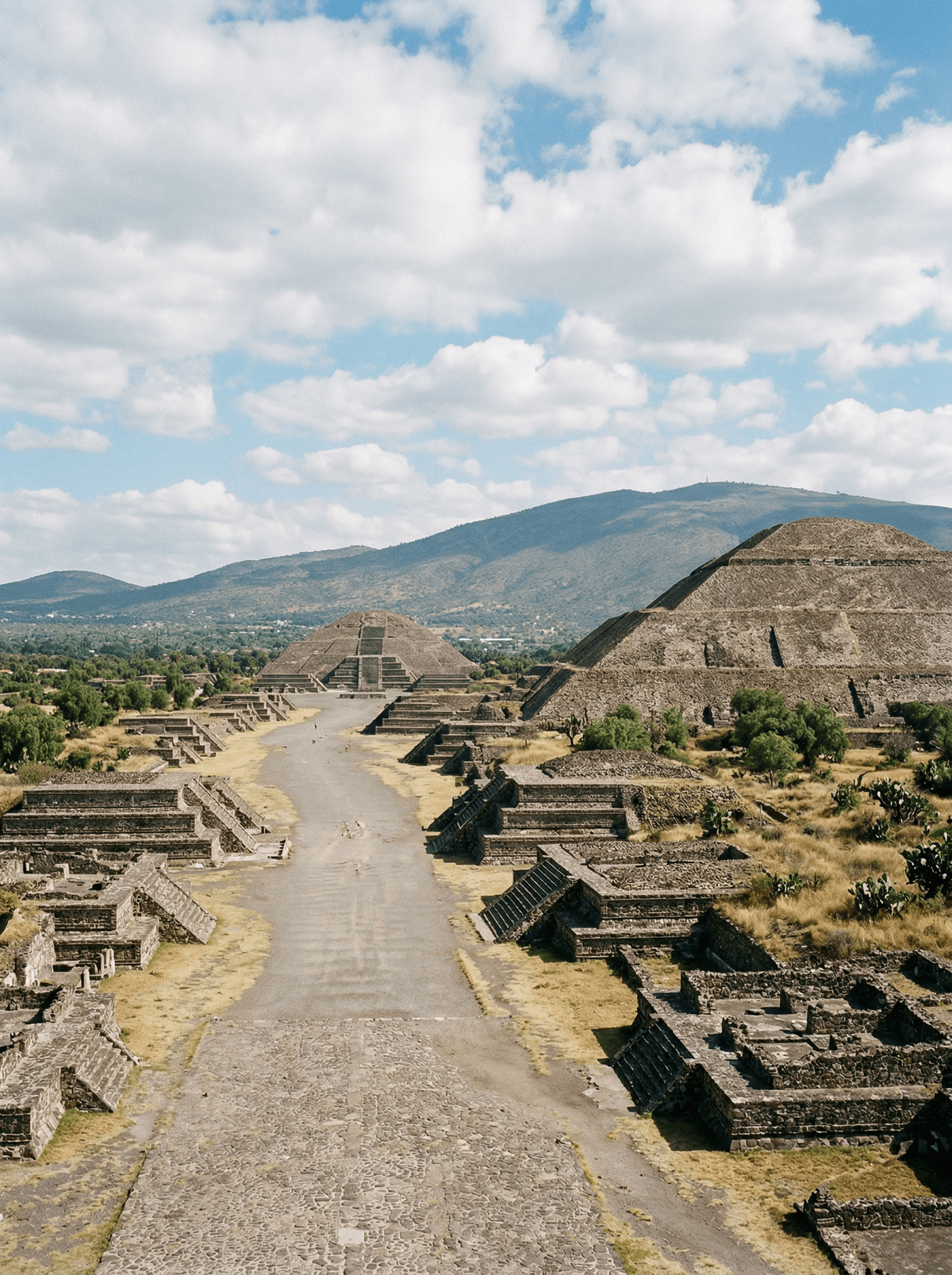
Mexico
Teotihuacán
The Avenue of the Dead runs long enough to carry its own horizon.
The Avenue of the Dead is long enough to have its own horizon. Walking it end to end, past the Ciudadela and beneath the two great pyramids, is the only way to feel what this city was.
Teotihuacán's public circuit runs the Avenue of the Dead between the Ciudadela and the major pyramid complexes, while murals and residential compounds show the metropolis behind the monuments. Current INAH rules and any temporary restrictions take priority over inherited climbing advice. Just behind the Pyramid of the Sun, one restaurant has served traditional cooking from a volcanic cave since 1906.
Solo
Walk the Avenue end to end at opening time before the coaches arrive.
Couple
Pair the pyramids with the mural compounds most visitors skip.
Family
Give children the scale of the Avenue and the museum's model city.
Friends
Share the circuit, then the cave restaurant's century-old table.
- Teotihuacán's circuit includes the Avenue of the Dead, the Ciudadela and the major pyramids.
- Murals and residential compounds reveal the city behind the monuments.
- Current INAH rules and temporary restrictions take priority over old climbing advice.
Behind the Pyramid of the Sun, a restaurant in a volcanic cave has cooked traditional Mexican food since 1906.
Between Gates 4 and 5, Mayahuel cooks homestyle quesadillas, molcajetes and lamb mixiote.
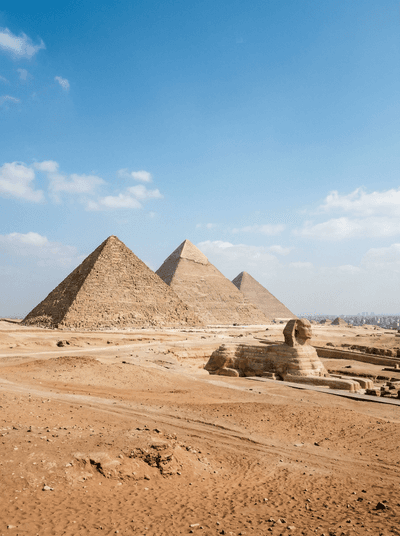
Giza
Egypt
Camel shadows stretch across sand where the last ancient wonder meets the Sahara's edge.
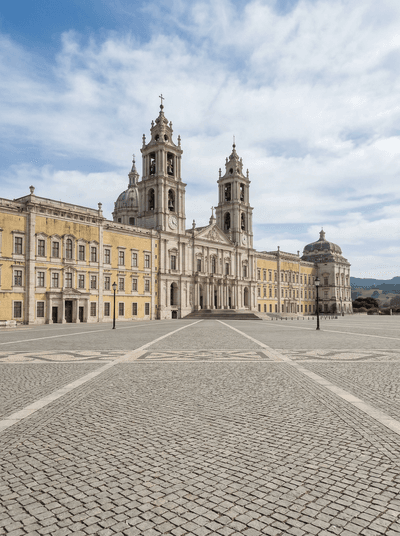
Mafra
Portugal
Bats patrol a palace library by night, guarding 36,000 leather volumes from bookworms.
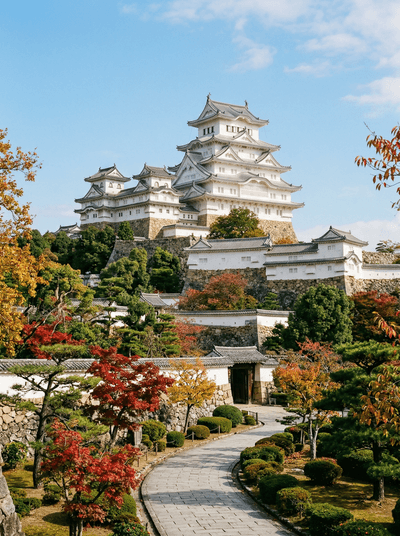
Himeji
Japan
A white heron of a castle above the blossom: original timber, four centuries old, never taken.
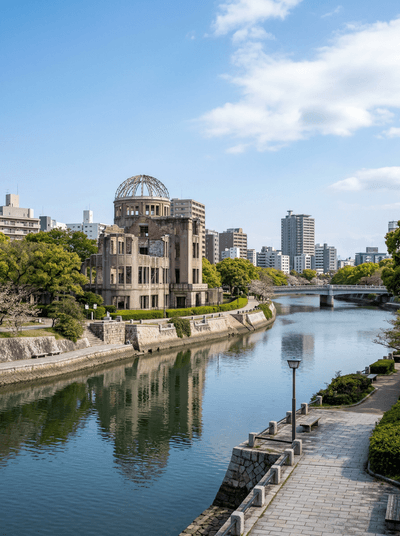
Hiroshima
Japan
Paper cranes by the million beside a dome that refused to fall.
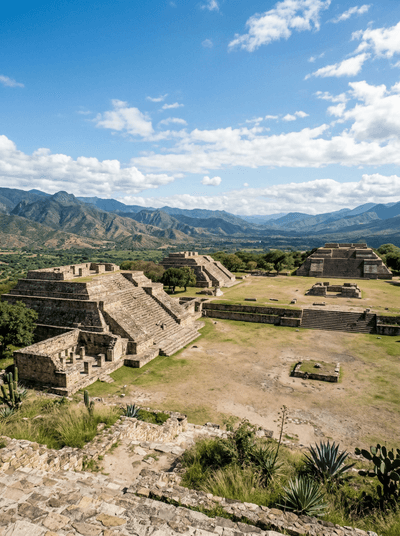
Monte Albán
Mexico
A Zapotec acropolis floats above the clouds on a mountaintop the ancients levelled by hand.
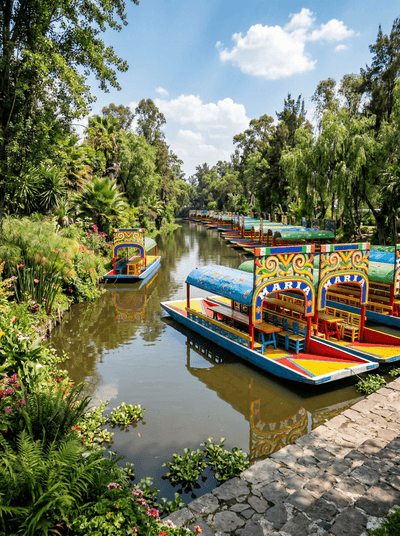
Xochimilco
Mexico
Working chinampas survive beyond the music and colour of Xochimilco's trajineras.
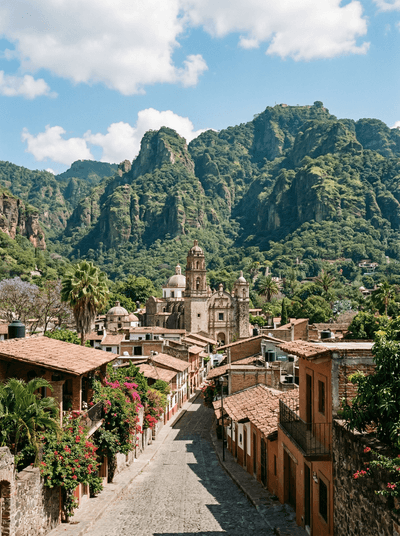
Tepoztlán
Mexico
Volcanic walls cradle a market town of chapels, food and mountain weather.
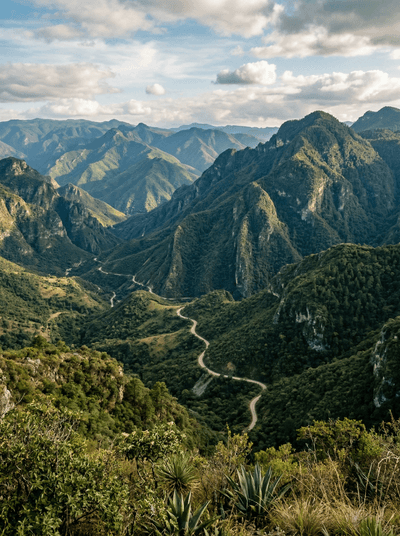
Sierra Gorda
Mexico
Five Franciscan missions hide in a canyon biosphere where desert, cloud forest and jungle collide.