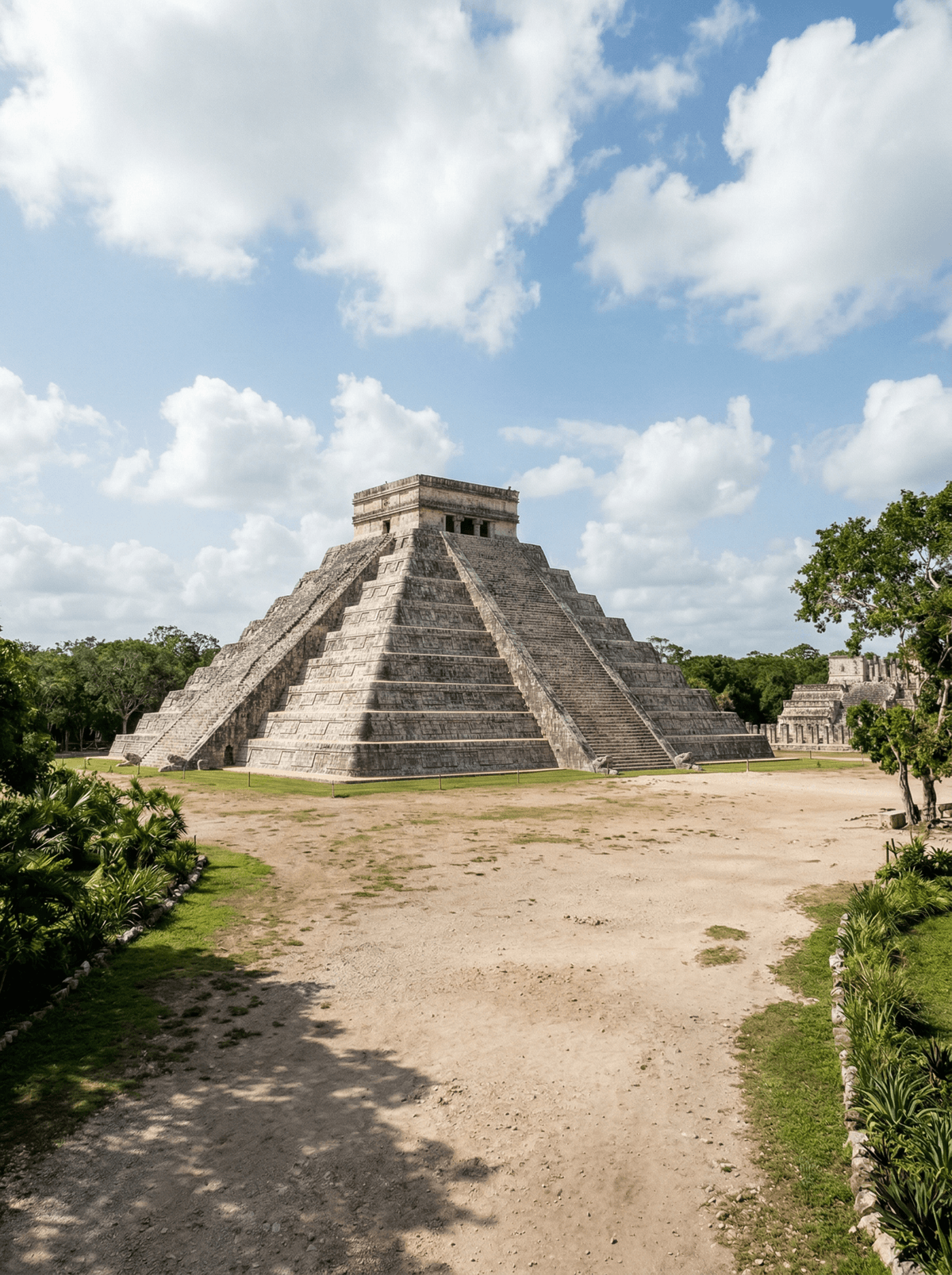
Mexico
Chichén Itzá
Each equinox a serpent of shadow slides down the pyramid to its stone head.
El Castillo takes the first look and holds it. Around the pyramid, the Great Ball Court's walls still face each other across their playing alley, and a path leads away through the trees to a cenote that swallowed offerings for centuries.
Chichén Itzá is one of the major cities of the Maya world, its core marked by Maya and Toltec building styles, the Temple of the Warriors' columns and the Sacred Cenote. Visitors follow the ground-level circuit through the archaeological zone; the monuments themselves are not climbed. The site rewards an early start, unhurried attention and a guide fluent in the stone.
Couple
Arrive at opening time and walk the circuit before coach crowds reshape the day.
Family
Give children the ball court's echo and the cenote path, with shade breaks between monuments.
Solo
Hire a licensed guide and read the city's layers at your own pace.
Friends
Split the circuit between monument detail and cenote legends, then debate them over lunch.
- Chichén Itzá is a major Maya city with El Castillo, the Great Ball Court and the Sacred Cenote.
- Maya and Toltec building styles meet across one monumental core.
- Visitors follow the ground-level circuit; climbing the monuments is not permitted.
In Valladolid, the base town, lomitos is the hometown dish: pork in thick tomato sauce with a whole habanero.
In Yaxunah, a Maya village south of the site, community cooks prepare food for visiting groups, pib, the underground oven, among their offered experiences.
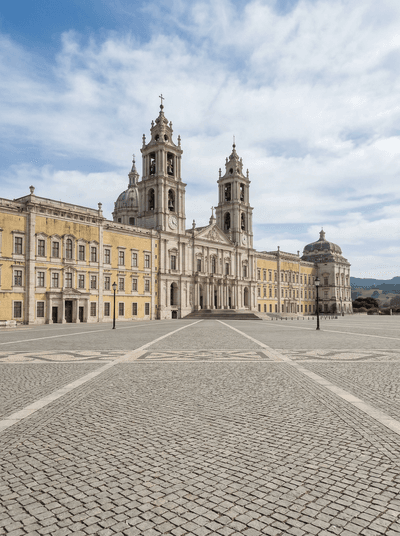
Mafra
Portugal
Bats patrol a palace library by night, guarding 36,000 leather volumes from bookworms.
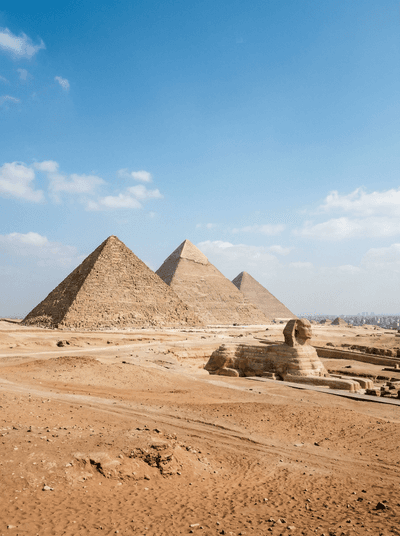
Giza
Egypt
Camel shadows stretch across sand where the last ancient wonder meets the Sahara's edge.
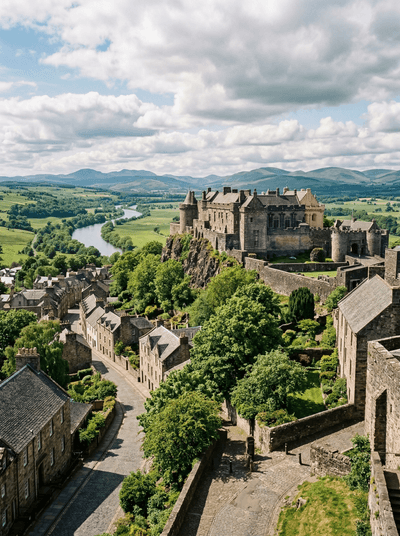
Stirling
Scotland
A castle on volcanic rock where Scotland's freedom was won and lost and won again.
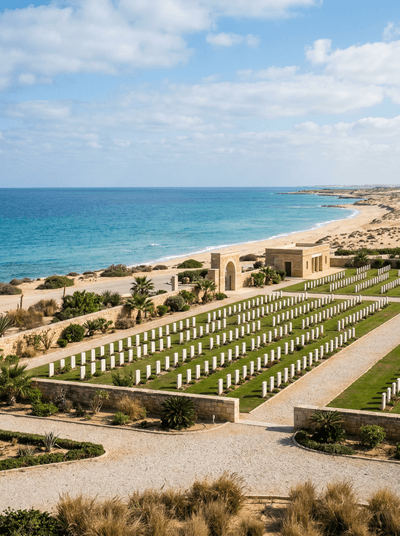
El Alamein
Egypt
White headstones in rows facing the Mediterranean, the silence of a battlefield that changed a war.
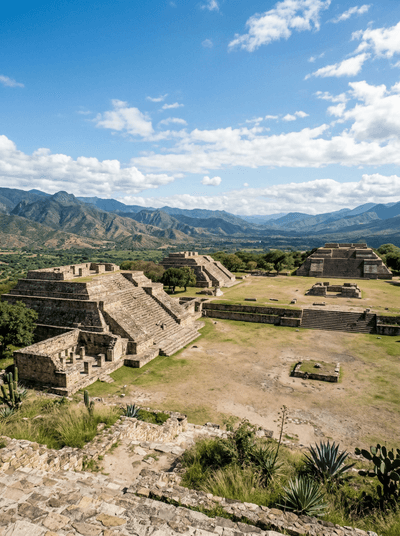
Monte Albán
Mexico
A Zapotec acropolis floats above the clouds on a mountaintop the ancients levelled by hand.
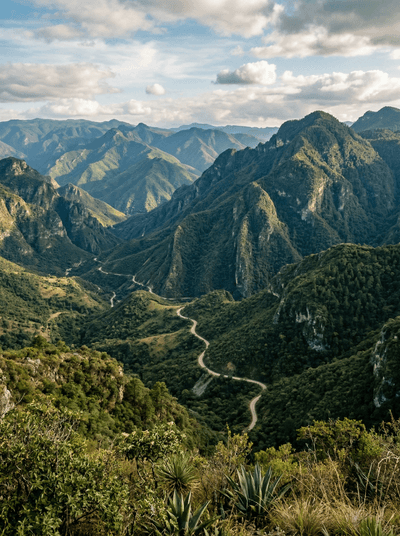
Sierra Gorda
Mexico
Five Franciscan missions hide in a canyon biosphere where desert, cloud forest and jungle collide.
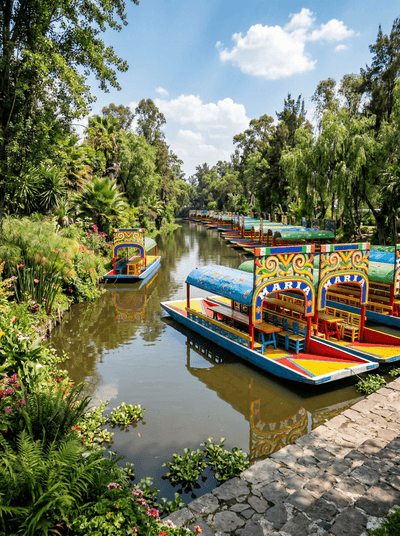
Xochimilco
Mexico
Working chinampas survive beyond the music and colour of Xochimilco's trajineras.
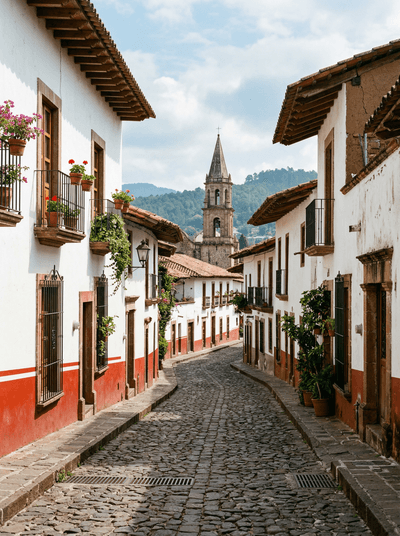
Pátzcuaro
Mexico
Plazas, lake routes and Purépecha craft traditions gather in a cool highland town.