Oman
Dhofar Frankincense Groves
Gnarled trees bleeding white resin in wadis that supplied the world's incense for millennia.
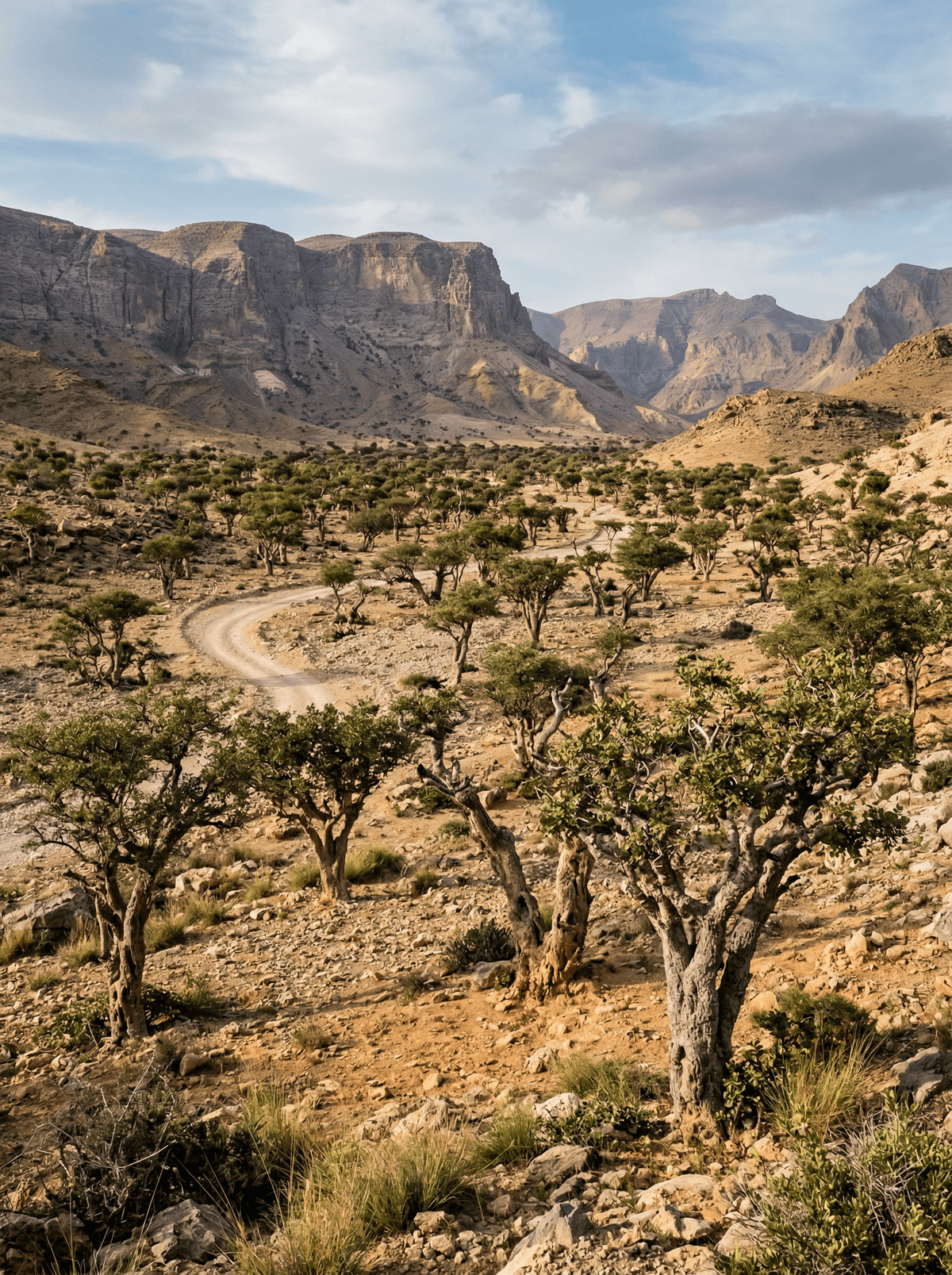
The tree looks like it's barely surviving — gnarled, twisted, growing from rock with almost no soil. Then you see the cuts in the bark, and the white tears of resin gathering in the wounds. This tree has been bled for its incense for four thousand years. Its ancestors supplied the temples of Rome. The method hasn't changed.
The Dhofar Frankincense Groves are the natural habitat of the Boswellia sacra tree, the source of the finest-quality frankincense in the world. Growing in the rocky wadis of the Dhofar Mountains, these trees have been tapped for their aromatic resin for at least four millennia, supplying a trade that once rivalled gold in value. The harvesting method remains unchanged: cuts are made in the bark and the resin is allowed to seep out, harden, and be collected — a process repeated several times per season. The groves are part of the UNESCO-listed Land of Frankincense cultural landscape, connecting the trees to the ancient ports from which the resin was shipped. Visiting the groves means entering a living agricultural tradition that is older than most civilisations — the same trees, the same methods, the same product that was burned in the temples of Pharaonic Egypt and Imperial Rome. The resin can be chewed directly from the tree — bitter, cleansing, and unmistakably ancient in taste.
Solo
Seeing the source of the world's incense — trees in rocky wadis, bled using methods four thousand years old — is a pilgrimage for the historically and botanically curious.
Couple
The groves connect to the broader frankincense story — ports, trade routes, ancient civilisations — creating a journey through time that rewards exploration together.
- The Boswellia sacra trees here have been tapped for resin for at least four thousand years.
- Cuts in the bark produce white tears of resin that harden into the frankincense traded globally.
- UNESCO protects these groves as part of the Land of Frankincense cultural landscape.
- The trees grow in harsh, rocky wadis — their resilience in poor soil is part of what makes the resin valuable.
Chew raw frankincense resin straight from the tree — bitter, cleansing, and ancient.
Dhofari herders in the area sometimes share goat milk and bread with respectful visitors.
Writing-on-Stone Provincial Park
Canada
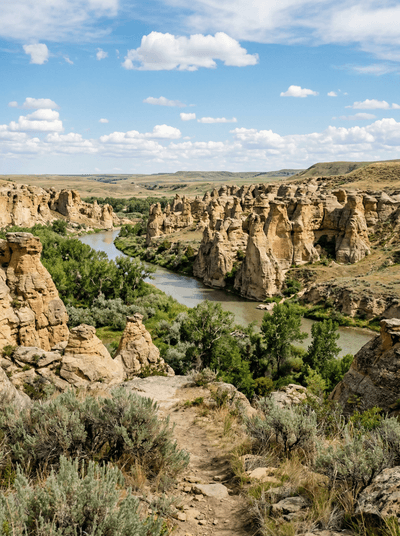
Hoodoos carved by wind guard the largest concentration of rock art on the Great Plains.
Namosi Highlands
Fiji
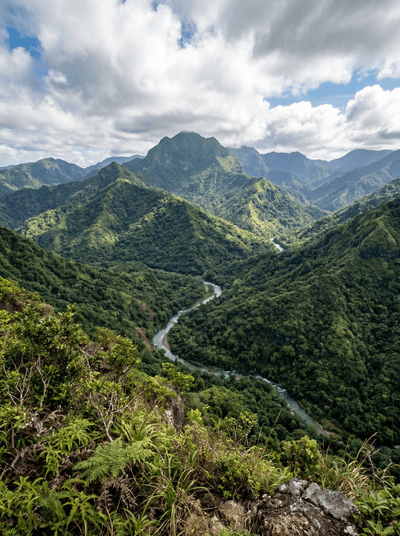
Rivers cut the only roads into this jungle interior, where villages still cook over open fire.
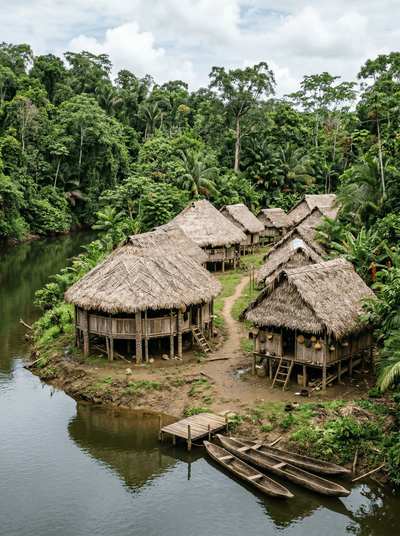
Emberá Villages
Panama
Dugout canoes glide upriver to thatched villages where body paint replaces clothing.
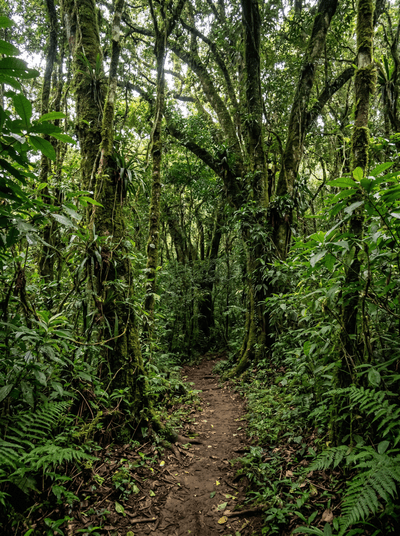
Kakamega Forest
Kenya
Primates crash through the canopy of Kenya's last rainforest, a fragment dense with 350 butterfly species.
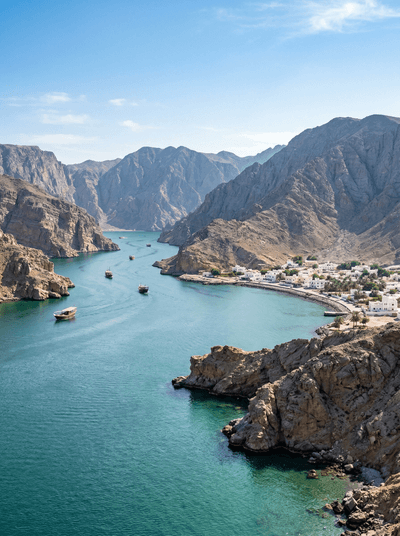
Khasab
Oman
Arabia's deepest fjords meet the Strait of Hormuz at this harbour town on Oman's edge.
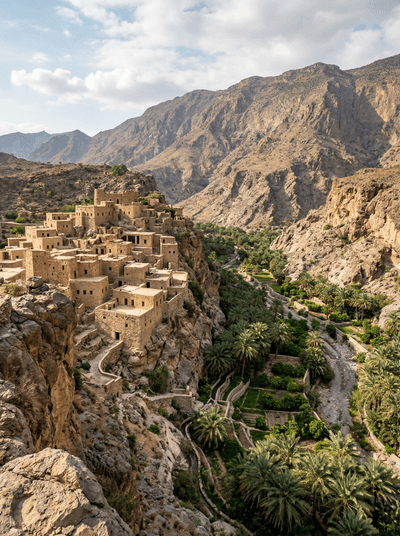
Wadi Bani Habib
Oman
A ghost village hidden in a walnut-filled valley where mist curls through empty doorways.
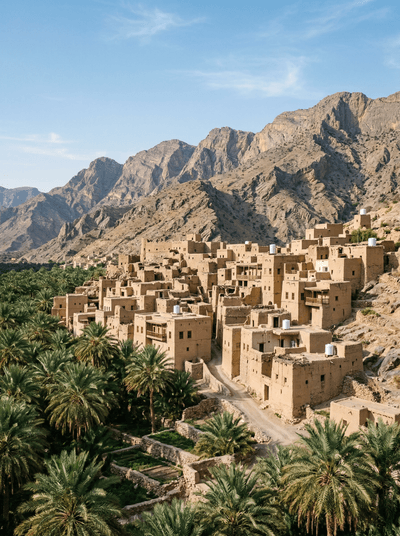
Al Hamra
Oman
Crumbling mud-brick towers where families lived until the 1970s, now frozen in amber.
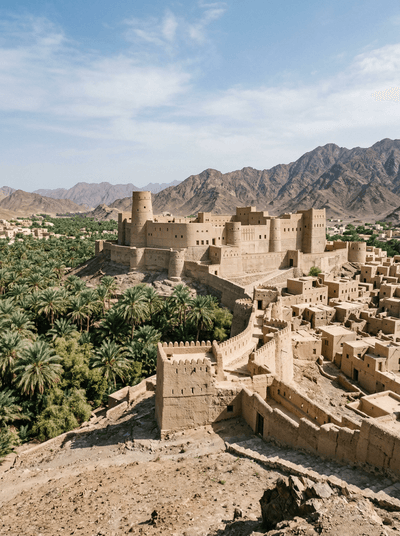
Bahla
Oman
Twelve kilometres of crumbling fortress walls guard a pottery tradition older than Islam itself.