
Costa Rica
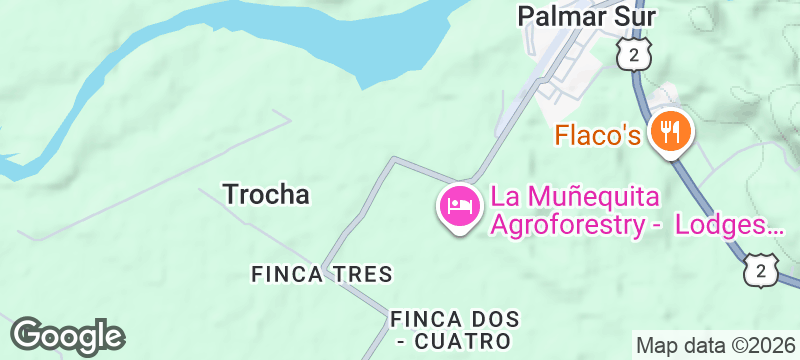
Diquís Stone Spheres (Finca 6)
Perfectly round stone spheres weighing fifteen tonnes scattered across a landscape nobody can explain.
They sit in the grass as if placed yesterday. Perfectly spherical, some 2.5 metres across and weighing as much as fifteen tonnes, the Diquís spheres at Finca 6 resist every easy explanation. You walk among them in near-silence, the wind moving through the banana plantations around the site.
Finca 6 preserves the largest concentration of Diquís stone spheres still lying where their makers left them — within the UNESCO-inscribed pre-Columbian chiefdom settlements of the Diquís delta. The spheres were shaped from hard stone without metal tools or wheels, then moved kilometres from their sources; the how is debated, the why more so, and no two are identical in size or finish. The site museum sets them in context — burials, house mounds and the ranked societies that raised them — while the delta around grows bananas and oil palm where the chiefdoms once stood.
Solo
Walking among the spheres alone lets the mystery build properly — no audio guide, no crowd management, just you and a question with no answer yet.
Couple
A quiet half-day of genuine wonder in the Southern Zone's plantation country — a discovery that feels entirely yours.
Family
A walkable UNESCO site whose mystery is an instant conversation starter — children circle the spheres looking for the trick.
- World Heritage ground — the biggest cluster of spheres still resting where the Diquís left them.
- Some spheres reach 2.5 metres and around fifteen tonnes, shaped without metal tools or wheels.
- The site museum reads the spheres through the delta's burials, mounds and ranked chiefdoms.
- No two spheres share a size or finish — uniform at a glance, individual up close.
Mango and cas refrescos blended at Palmar Norte's market stalls across the river.
Arroz con pollo with palmito salad — Southern Zone home cooking at its most generous.
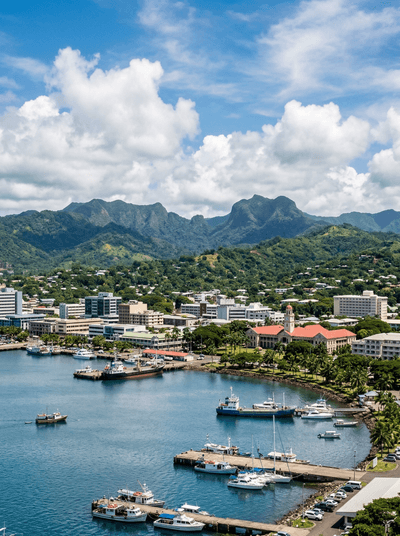
Suva
Fiji
South Pacific hustle where Hindu temples share streets with Fijian markets and colonial verandahs.
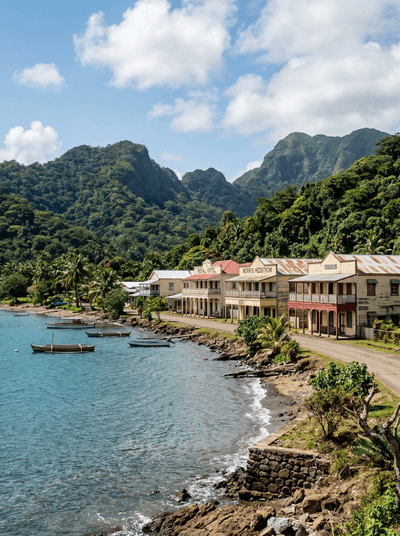
Levuka
Fiji
Fiji's first colonial capital frozen in the 1870s, wooden shopfronts sagging under tropical rain.
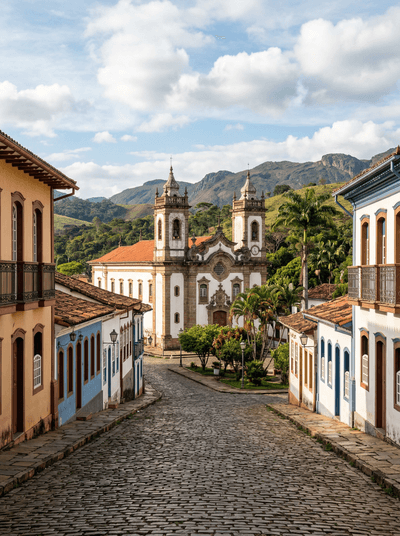
São João del-Rei
Brazil
Baroque towers answering each other across a valley, ringing the sex of whoever has just died.
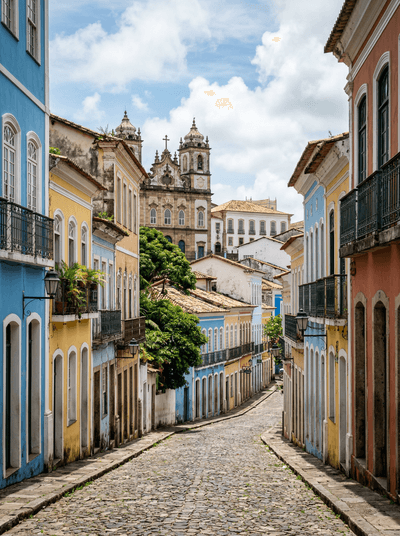
Salvador
Brazil
Drum rhythms ricocheting off colonial walls where song, dance and combat happen at once.
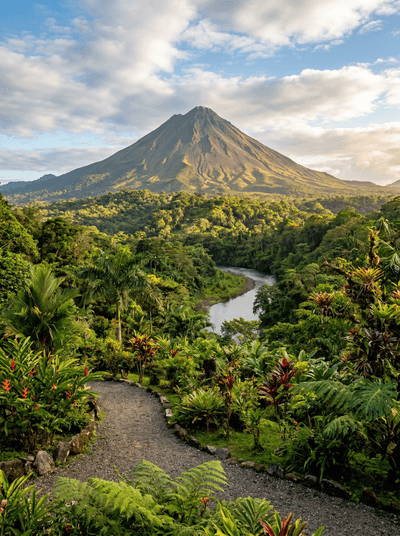
Arenal & La Fortuna
Costa Rica
Hot springs steaming through jungle beneath a volcano's perfect cone at dusk.
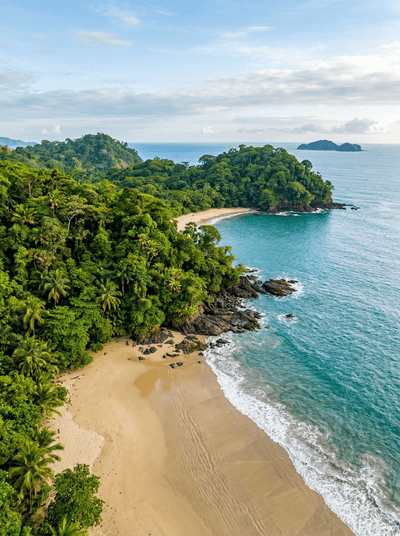
Manuel Antonio
Costa Rica
Capuchins patrol the sand beneath dozing sloths where rainforest walks into the ocean.
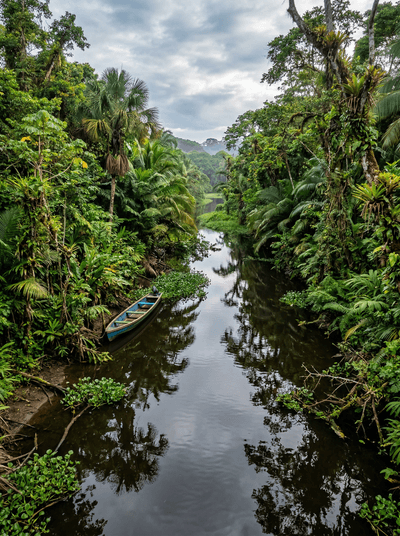
Tortuguero
Costa Rica
Jungle canals where green sea turtles haul onto black volcanic sand under a moonless sky.
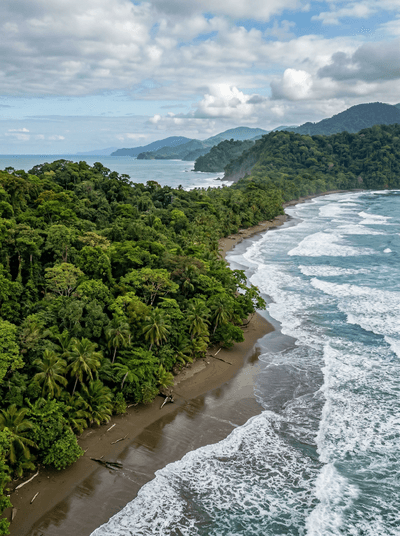
Corcovado National Park
Costa Rica
National Geographic called it the most biologically intense place on Earth. They undersold it.