Mexico
Ek Balam
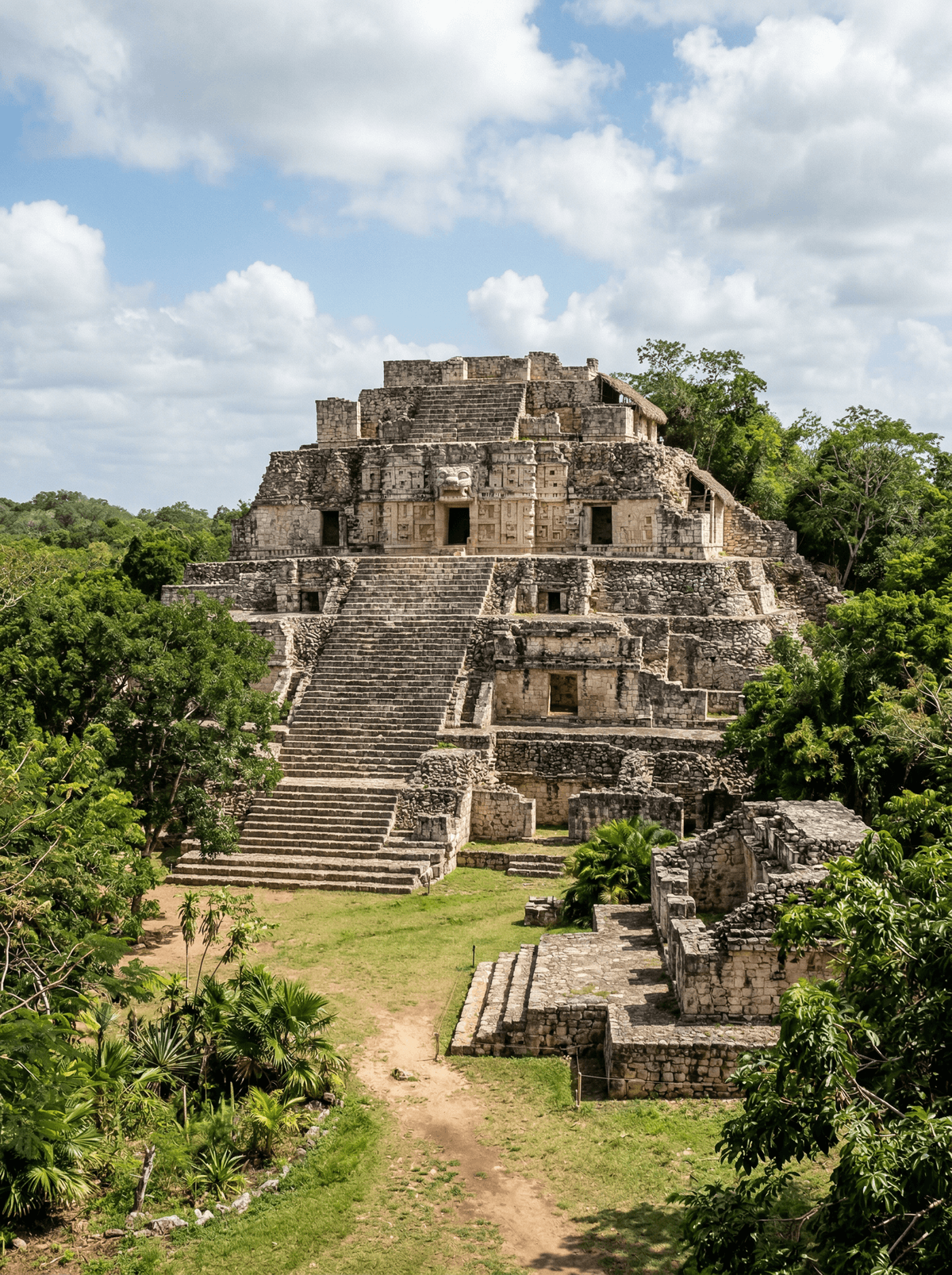
A royal stucco façade survives within the towering Acropolis of Ek Balam.
Under a thatched shelter partway up the Acropolis, the stucco is so crisp it looks newly made: winged figures, teeth around a doorway, the tomb front of a king. Most Maya cities lost this layer; Ek Balam kept it.
Ek Balam's Acropolis preserves elaborate stucco work around the tomb façade of the ruler Ukit Kan Le'k Tok', sheltered from the weather that stripped most Maya buildings bare. The site operates on daily timed access under current INAH rules, which also govern whether and where stairs may be climbed. It sits close enough to Valladolid to share a day with the town and its food.
Solo
Take a timed morning entry and give the stucco the close attention it repays.
Couple
Pair the Acropolis with Valladolid's kitchens for an unhurried joint day.
Friends
Share a guide for the tomb façade's story, then compare it with the region's larger sites.
- Ek Balam's Acropolis preserves elaborate stucco work and the tomb façade of Ukit Kan Le'k Tok'.
- Sheltered stucco of this quality is rare across the Maya world.
- Daily timed access under current INAH rules governs the visit, including any stair access.
Temozón, on the road in, is smoked-meat country: wood-smoked pork from more than twenty butchers on its main street.
The village's chorizo and longaniza travel home with those who plan ahead.
Totnes
England
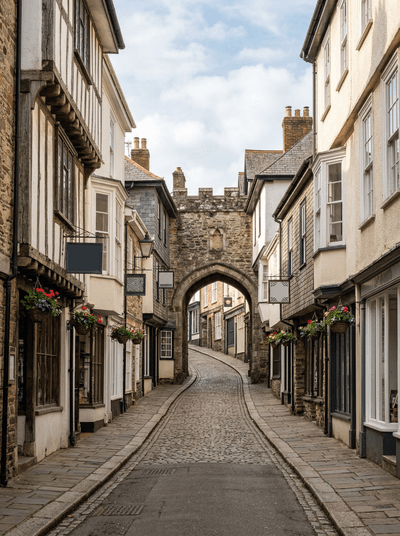
A hilltop town that declared itself independent, printed its own currency, and meant it.
Assomada
Cape Verde
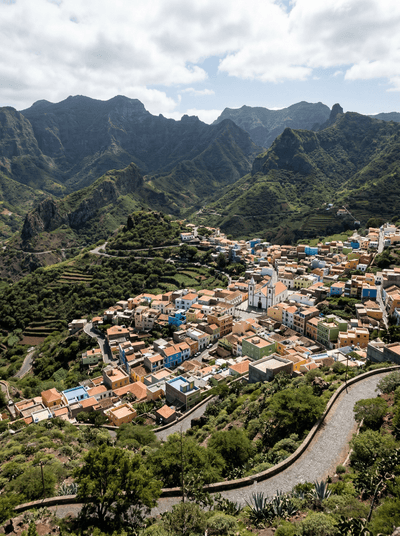
Papaya, maize and market din fill the highland town that feeds all Santiago.
Esna
Egypt
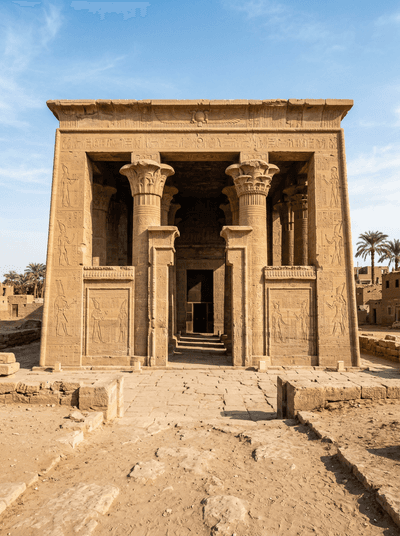
A Ptolemaic temple buried nine metres below a modern town, its zodiac ceiling still overhead.
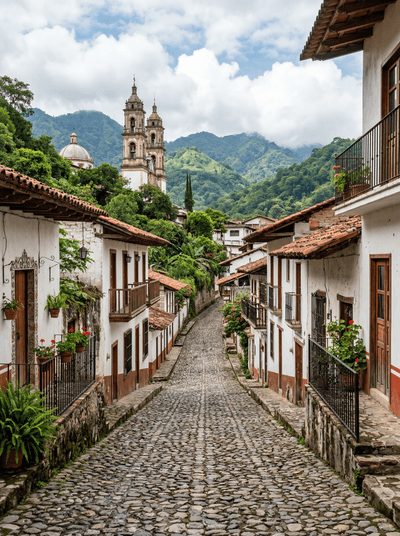
Cuetzalan
Mexico
Clouds drift through steep market streets above coffee, caves and forest paths.
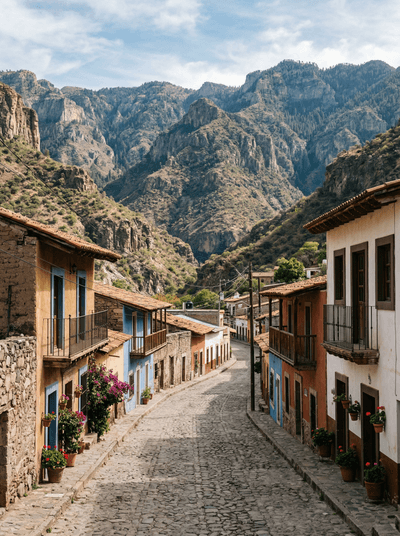
Batopilas
Mexico
A plunging canyon road ends among palms, aqueducts and silver-era stonework.
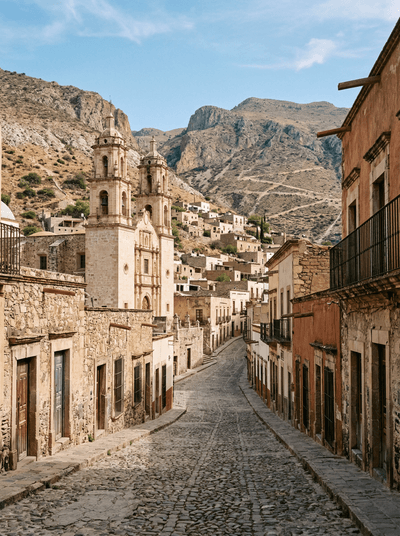
Real de Catorce
Mexico
A mining tunnel opens onto stone lanes, high desert and centuries of pilgrimage.
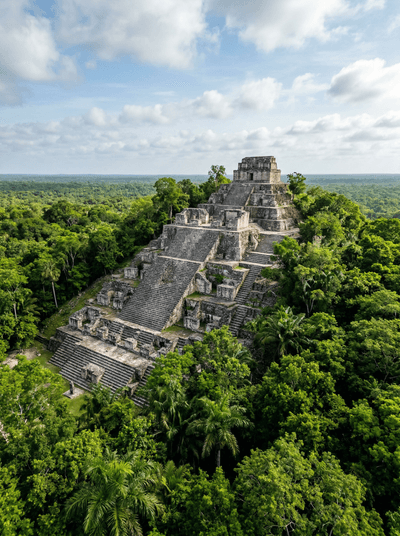
Calakmul
Mexico
A Maya capital's towers still stand above an unbroken sea of forest.