Portugal
Elvas
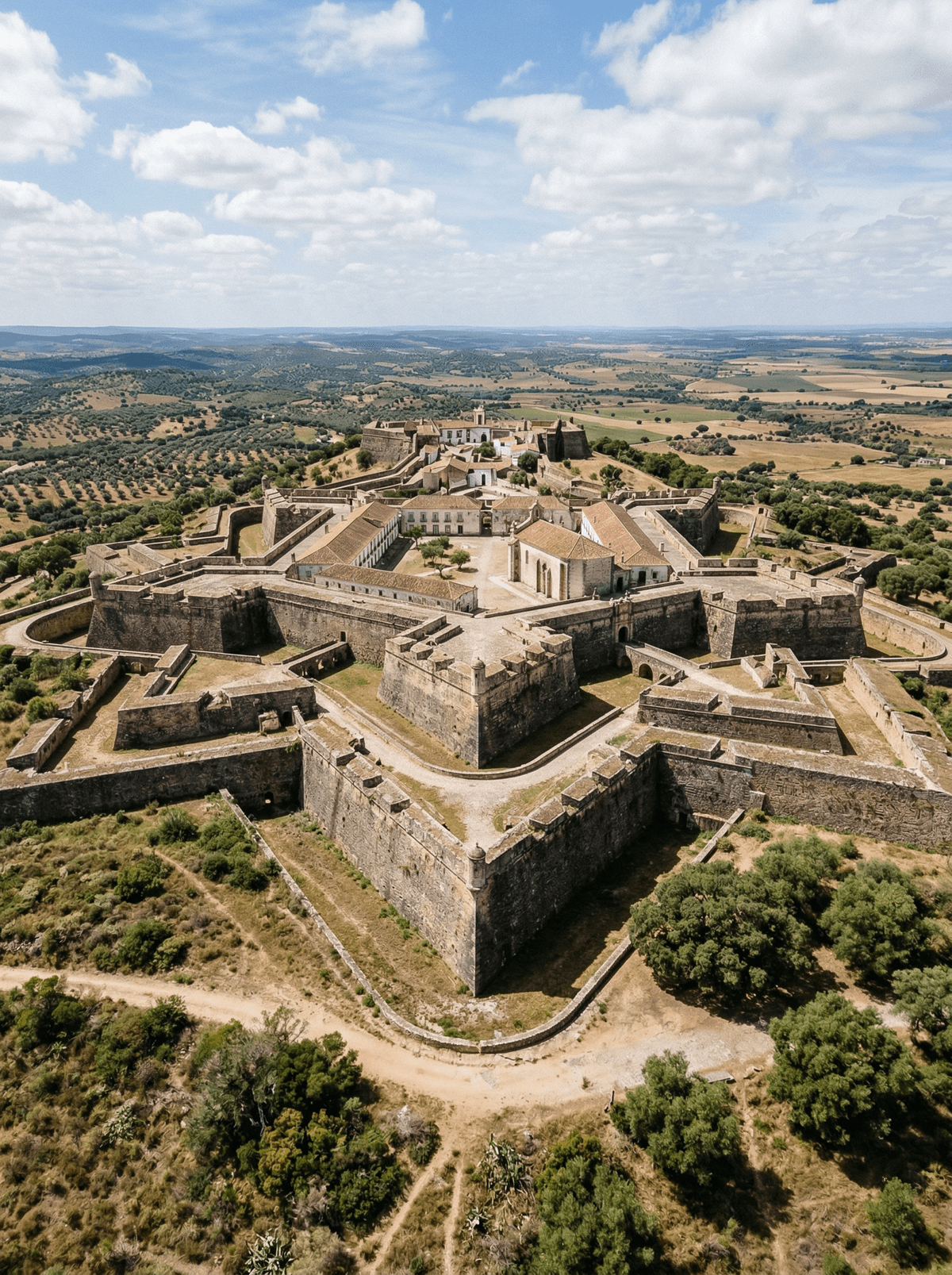
Walk the world's largest star fort at dawn, moat shadows tracing geometry across plains.
Dawn light traces the star-shaped moat across the plain, and the fortification's geometry makes sense for the first time — not from a map but from the walk along its walls. The town inside is quiet, streets still cool, churches still locked. You have the largest bulwarked frontier fortress in the world nearly to yourself.
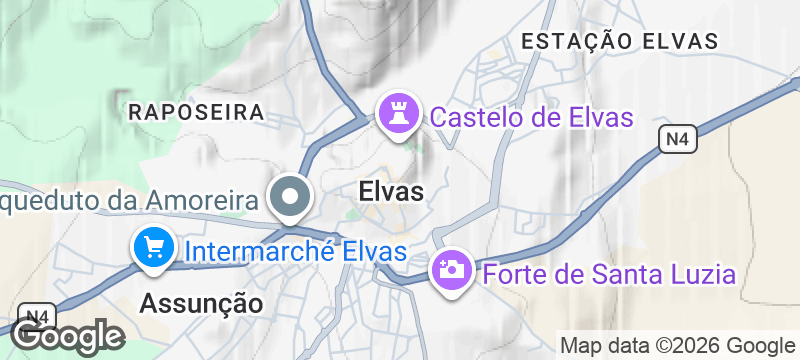
Elvas is a UNESCO garrison town on Portugal's eastern border, its defences the most complete system of Dutch-school military engineering anywhere — expanded through the seventeenth-century Restoration Wars against Spain, with the detached forts of Graça and Santa Luzia crowning the surrounding hills and the Amoreira Aqueduct striding some seven kilometres and four tiers to keep the besieged town in water. The exposed ramparts punish heat and high wind — the geometry rewards an early start. Inside the walls, austerity softens into domestic warmth: Moorish-patterned paving on the Largo de Santa Clara, Manueline columns in the old cathedral, and backstreet bakeries producing sericaia. Badajoz sits twelve kilometres away in Spain; the border tension that built these walls still echoes in every angle.
Solo
An undervisited fortress town rewarding careful looking — the full perimeter at dawn, the Graça fort for the aerial view, backstreet bakeries for the afternoon.
Couple
The scale of the fortifications is genuinely moving and the town inside them unhurriedly intimate — dinner on the Largo de Santa Clara with the ramparts lit above is a setting most travellers never find.
- UNESCO lists Elvas as the world's largest preserved bulwarked fortification system.
- The Amoreira Aqueduct still stands its full four-tiered course into the town.
- Elvas anchored Portuguese independence through sieges across three centuries.
- Elvas plums, candied in syrup since the sixteenth century, still sell below the walls.
Sericaia — cinnamon egg pudding unique to the Alentejo, baked in earthenware.
Elvas plums preserved in sugar syrup, the town's prized export for five centuries.
Karatsu
Japan
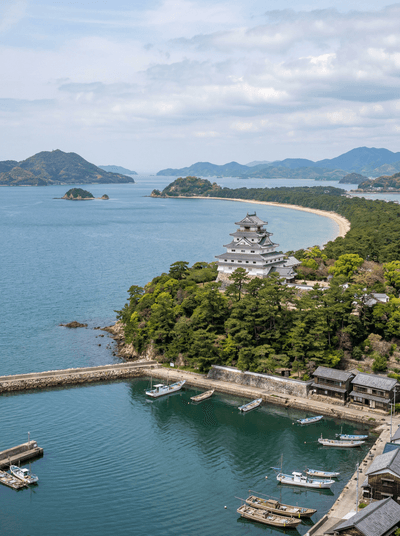
A pottery town where enormous lacquered floats charge through the streets each November.
Sidhpur
India
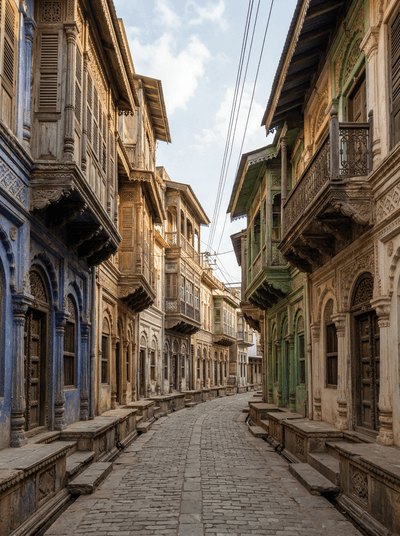
Empty streets lined with pastel European mansions built by a globe-trading merchant community.
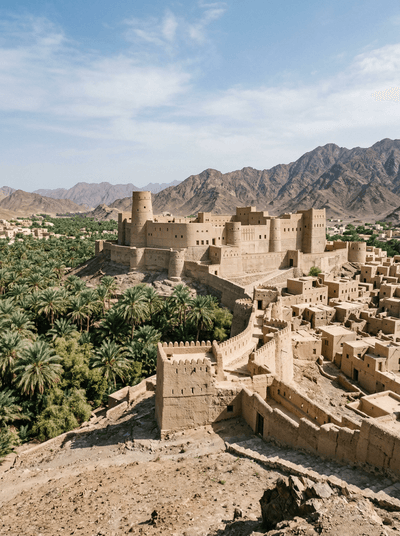
Bahla
Oman
A mud-brick fort rises from the same earth as its oasis, potters still firing beside it.
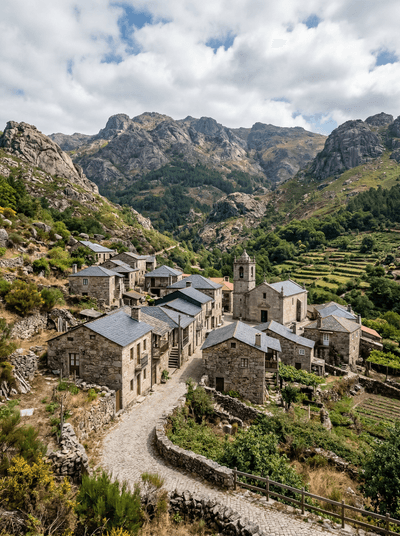
Pitões das Júnias
Portugal
A monastery abandoned to wolves and rain crumbles beside a waterfall at the road's end.
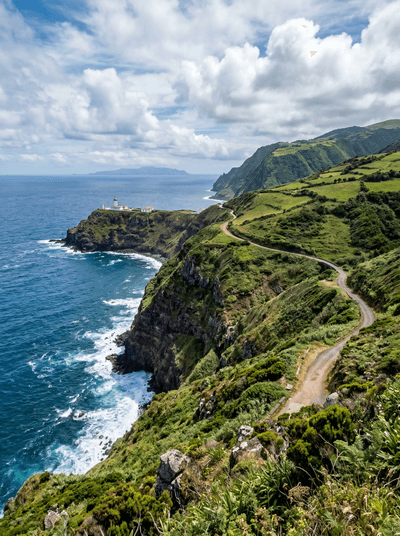
São Jorge
Portugal
Knife-edge ridges drop to coastal fajãs — green platforms born from cliff collapses.
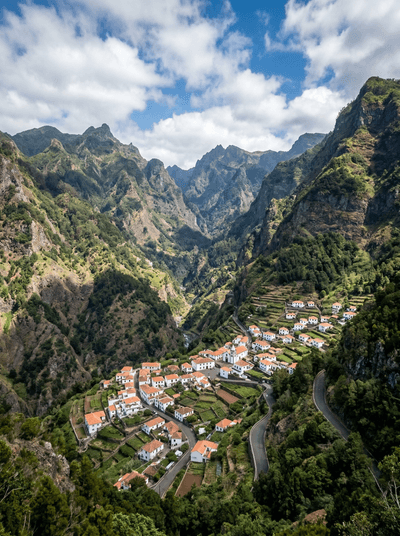
Curral das Freiras
Portugal
A village hidden in a mountain bowl so deep that nuns fled here from pirates.