Tanzania
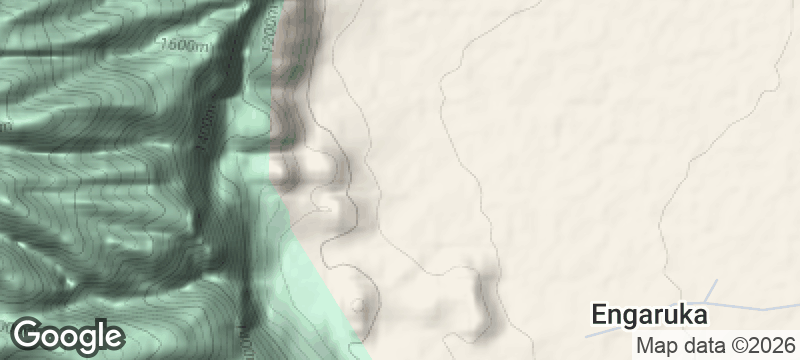
Engaruka
A stone-channelled city fed forty thousand people, then everyone walked away.
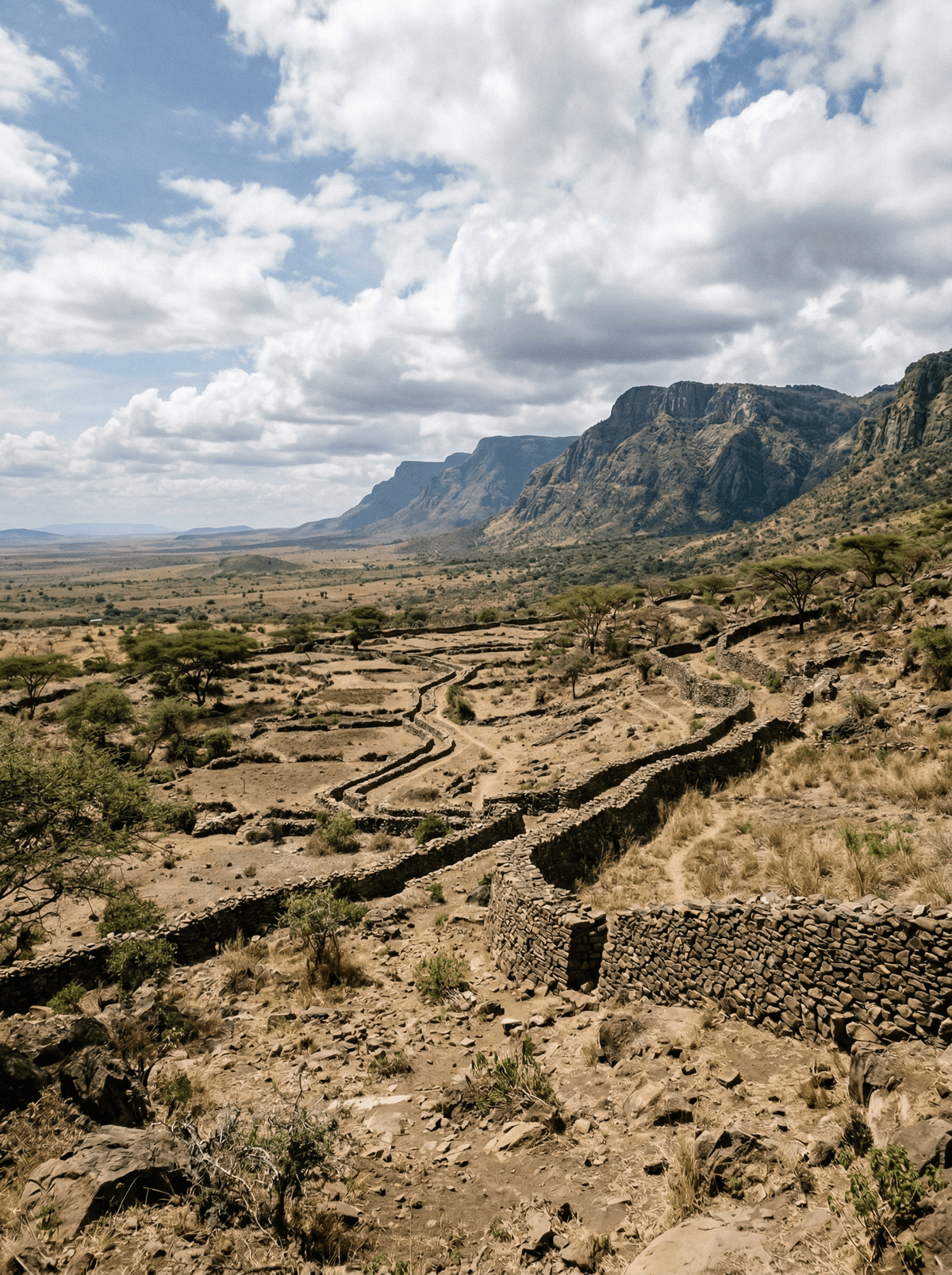
Somebody built a city of stone channels here, irrigated fields for tens of thousands, farmed it for three centuries, and then walked away. Nobody knows quite why. The channels still lace the escarpment's foot.
Engaruka is the Rift's quiet enigma: the stone-built remains of an irrigation settlement covering some twenty square kilometres, occupied from roughly the fifteenth to eighteenth centuries and supporting a population estimated toward forty thousand before its unexplained abandonment. The terraces, channels and field walls read clearly on a guided walk from the modern village, where a women's group cooks a meal on request and fresh produce is the local table. Start early; the Rift floor heats fast.
Solo
A solo archaeology enthusiast can hire a local guide to turn Engaruka’s scattered channels into a readable farming system.
Couple
Couples who enjoy landscape history can trace how water engineering shaped settlement beneath the escarpment.
- A stone irrigation city supported tens of thousands, then was abandoned unexplained.
- The channels and field walls still map the system across the escarpment's foot.
- Guided walks run from the modern village beside the ruins.
- The site pairs naturally with the Natron and Lengai road.
The village women's group cooks a meal on request, the local welcome.
Fresh produce from the village is the honest table; the ruins provide the view.
Taveuni
Fiji
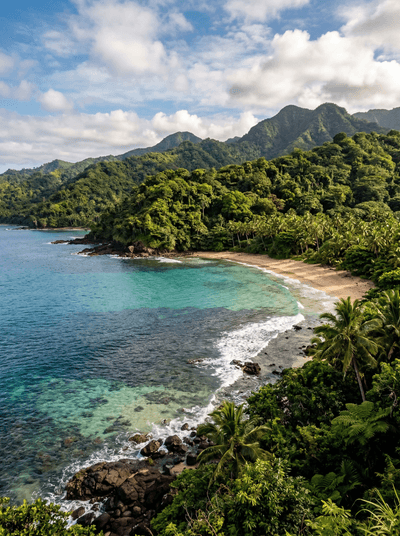
Stand astride the 180th meridian in rainforest, one foot in today, one in yesterday.
Parque Nacional Conguillío
Chile
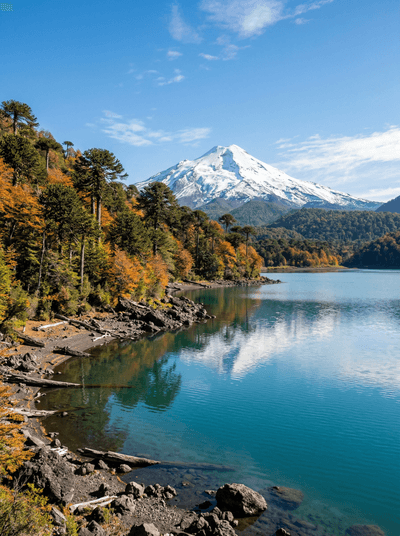
Araucaria crowns stand over black lava and clear lakes beneath Volcán Llaima.
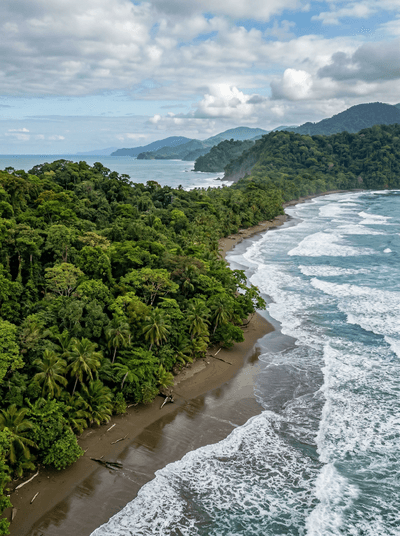
Corcovado National Park
Costa Rica
National Geographic called it the most biologically intense place on Earth. They undersold it.
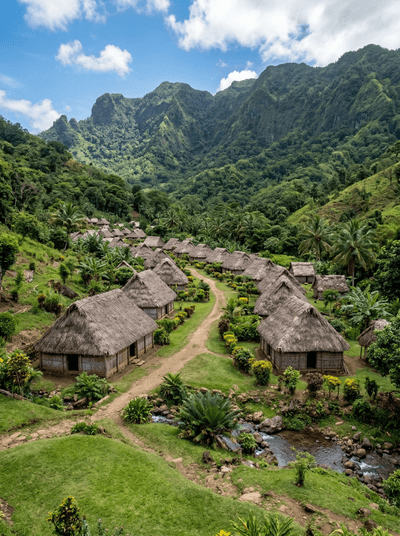
Navala Village
Fiji
Two hundred thatched bures, all built the same size, climb a valley above the Ba River.
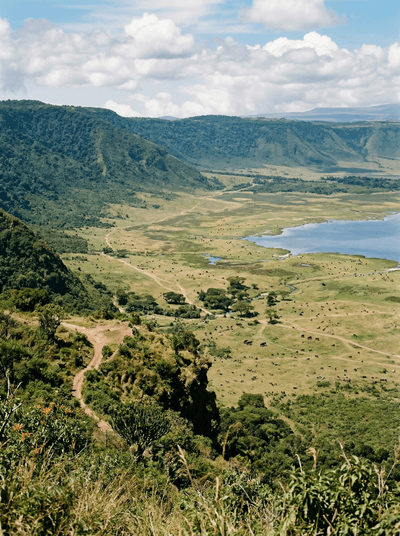
Ngorongoro Crater
Tanzania
A collapsed volcano holds its own weather, its own herds, and Maasai cattle besides.
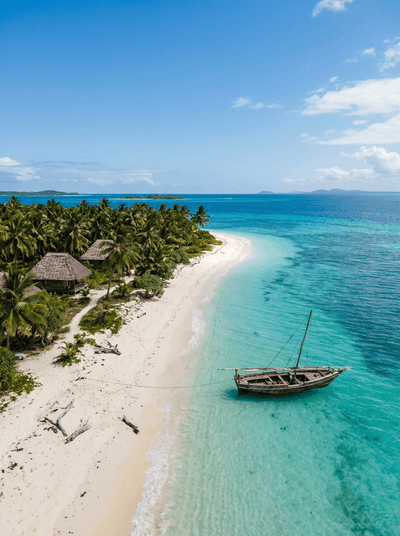
Fanjove Private Island
Tanzania
Green turtles nest beside a lighthouse whose ground floor serves dinner.
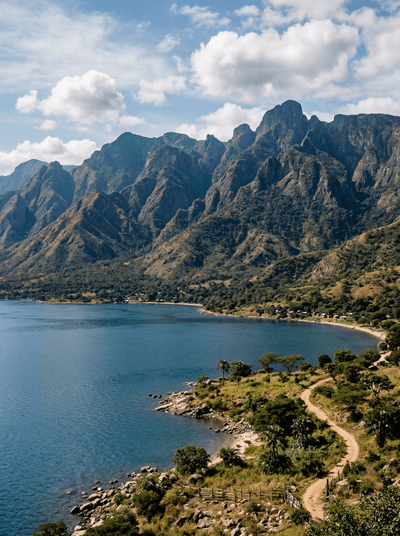
Livingstone Mountains
Tanzania
A green wall drops 1,500 metres from cold summits into a warm clear lake.
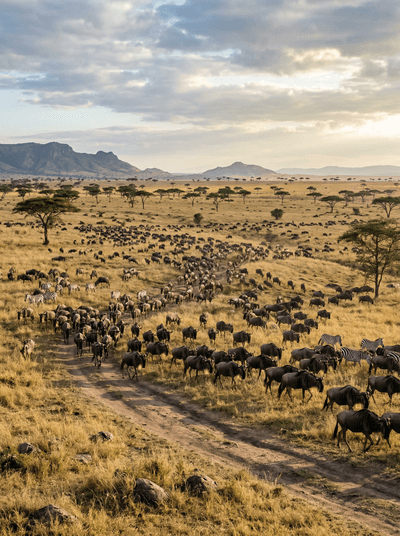
Serengeti National Park
Tanzania
Two million animals move with the rain across plains that have never known a fence.