Peru
Espíritu Pampa
The true last capital of the Inca Empire, lost in jungle for four centuries.
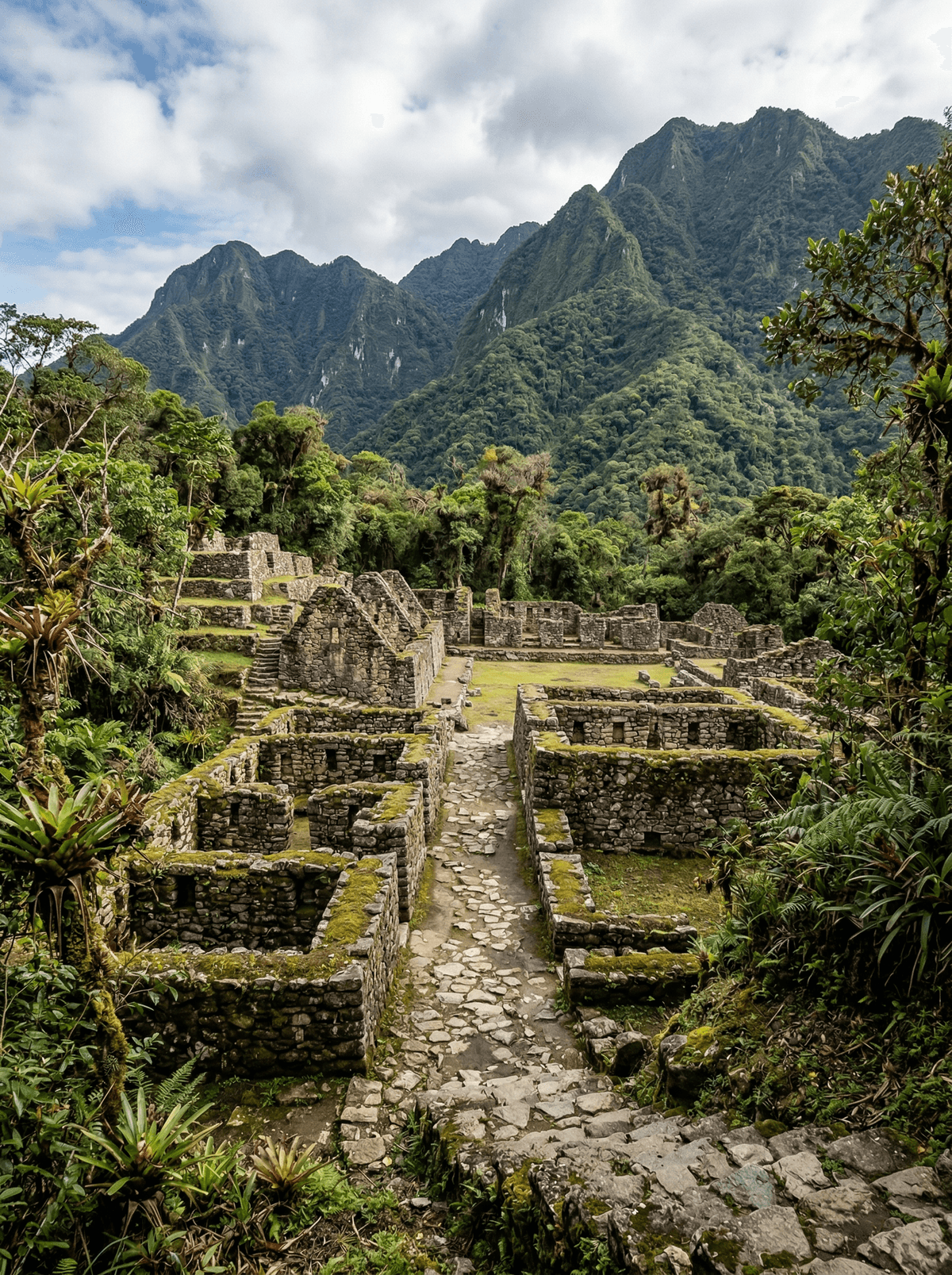
The jungle swallows the trail within hours — orchids on rain-slick trunks, canopy sealing out the sky — and somewhere beneath the undergrowth lie the walls of the last place the Inca Empire tried to survive. Espíritu Pampa is not a ruin you visit. It is a ruin you earn.
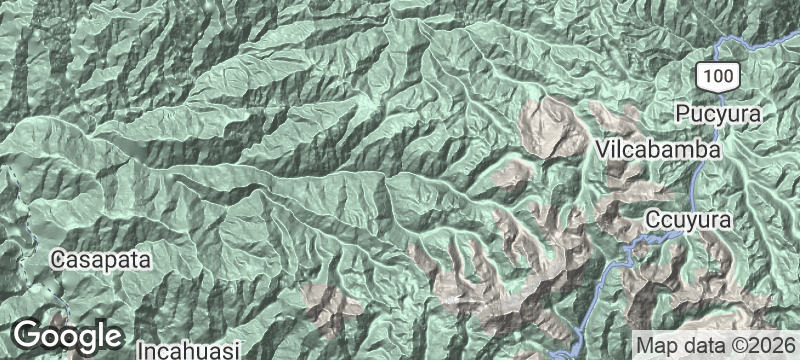
Espíritu Pampa, deep in Cusco's Vilcabamba forests, is where the Inca state made its final stand — the refuge capital of the resistance that held out until Túpac Amaru's capture in 1572. History added its own twist: Hiram Bingham walked through in 1911 without recognising what he'd found, and the site's true identity was only established decades later, in the 1960s. The ruins sit low, around a thousand metres, in country the Inca chose precisely for its inaccessibility — and the jungle still enforces the choice. The pedestrian route through Vilcabamba is actively maintained but remote and demanding, walked with local guidance rather than old itineraries; days of trekking pass unexcavated waypoints before ceremonial and residential compounds emerge from vegetation. This is an archaeological frontier, not a managed heritage stop.
Solo
One of Peru's most demanding archaeological journeys — arriving at the last Inca capital surrounded by jungle and silence belongs to expedition travellers.
Friends
River crossings, camp logistics and a locally guided route bind a group — and the shared arrival at a capital that eluded identification for centuries is unrepeatable.
- The Inca resistance held its last capital here until Túpac Amaru's fall in 1572.
- Bingham passed through in 1911 without recognising it — the truth waited fifty years.
- The Inca chose low, wet, closed country deliberately; the jungle still enforces it.
- The maintained Vilcabamba route stays remote — local guidance is the way in.
Trail rations of charqui, cancha and chocolate, mule-carried through cloud forest.
Camp suppers agreed with the Vilcabamba team, tasting extraordinary by day three.
Taveuni
Fiji
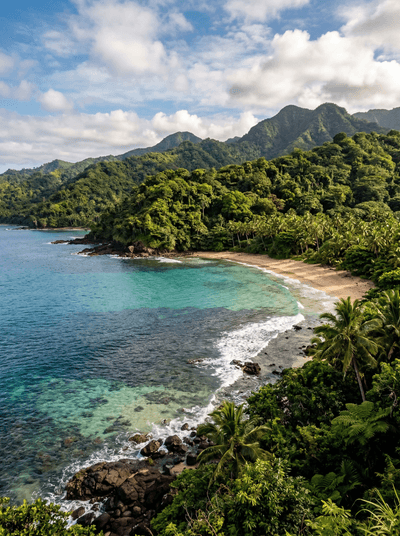
Stand astride the 180th meridian in rainforest, one foot in today, one in yesterday.
Parque Nacional Conguillío
Chile
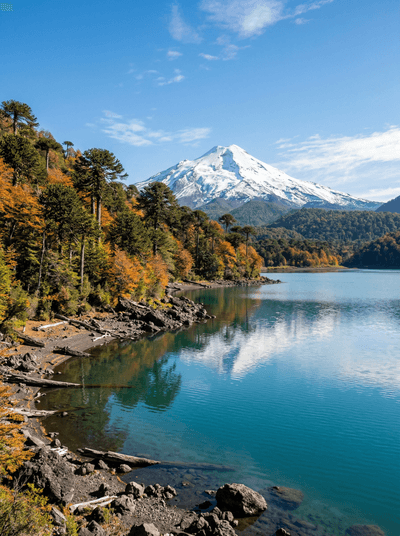
Araucaria crowns stand over black lava and clear lakes beneath Volcán Llaima.
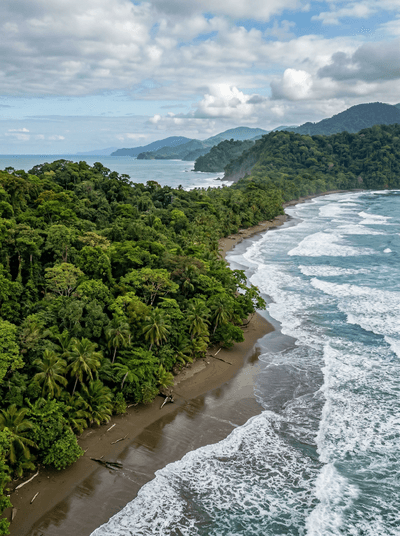
Corcovado National Park
Costa Rica
National Geographic called it the most biologically intense place on Earth. They undersold it.
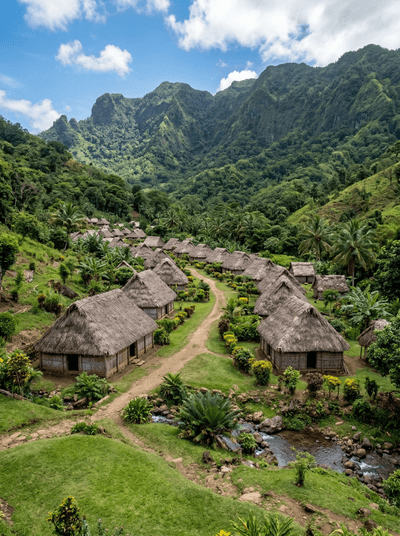
Navala Village
Fiji
Two hundred thatched bures, all built the same size, climb a valley above the Ba River.
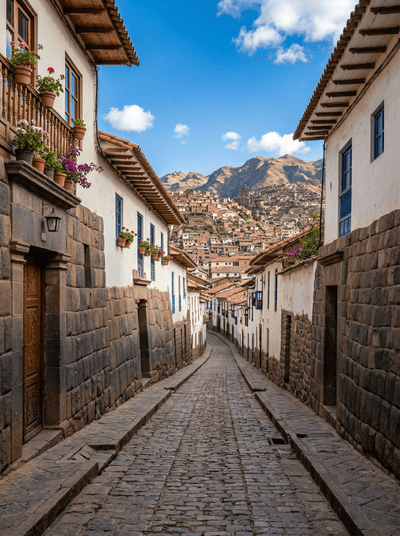
Cusco
Peru
Inca walls fitted so tightly a knife blade won't slide between the stones.
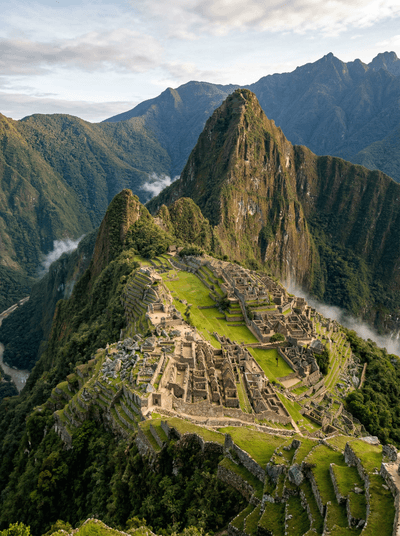
Machu Picchu
Peru
Cloud forest parts at dawn to reveal granite terraces balanced on the edge of the world.
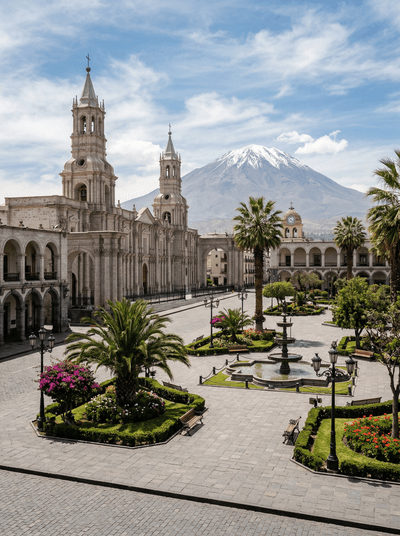
Arequipa
Peru
A city carved from white volcanic stone that glows amber under three volcanoes.
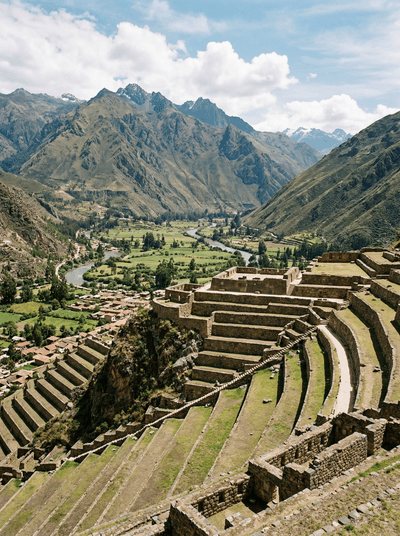
Sacred Valley (Ollantaytambo)
Peru
Inca water still flows through stone channels beneath the windows of a living town.