Brazil
Paranapiacaba
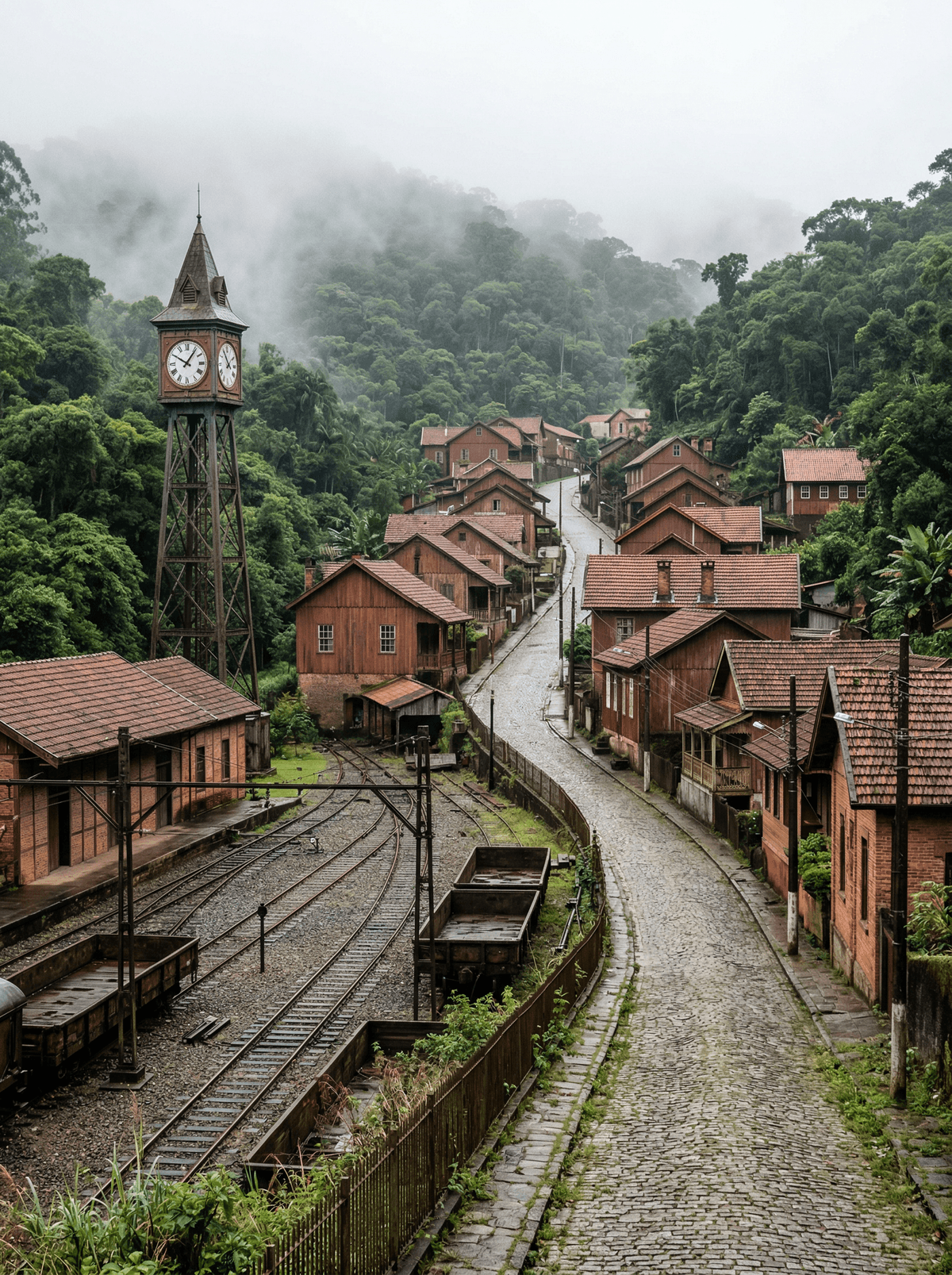
A fog-wrapped Victorian railway village built by the British in the Atlantic Forest above São Paulo.
Fog rolls through the valley like a living thing, swallowing the wooden cottages and the rusted railway iron until the village feels suspended between centuries and continents. The station clock appears and vanishes. Two thousand five hundred millimetres of rain fall here in an average year, and 415 of them arrive in January alone.
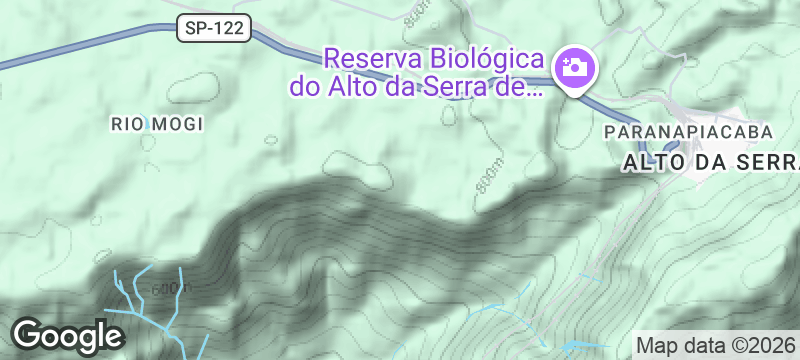
Paranapiacaba sits on top of the Serra do Mar escarpment, thirty kilometres from the centre of Santo André, and the São Paulo Railway built it in the nineteenth century for the staff running the Santos to Jundiaí line. The fabric is timber, British-pattern cottages on cobbled streets, with the yard below them holding the station and its clock, the bridge between the upper and lower village, the Locobreque, the workshops and forge, and the way into the Museu do Funicular. Football has a claim here as well: Charles Miller's father worked for the same company, and in 1894, the year Miller came back from England with balls, boots and the rulebook, the railwaymen's Serrano Athletic Club opened a pitch that was the first in Brazil laid out to official dimensions. Heritage listing covers the whole village at three levels of government, which is why filming it or bringing a photographer in for the day needs written permission from the town hall. Arrival can be part of it: CPTM's heritage train runs at weekends from Estação da Luz, 48 kilometres in ninety minutes behind a rebuilt 1950s locomotive.
Solo
Give the day to the yard and the streets. The station, the clock, the bridge between the two halves of the village, the workshops and the forge, then the Museu do Funicular, and the whole thing walks in a morning if the cloud lets you see it. For the forest, entry to the Parque Natural Municipal Nascentes de Paranapiacaba is only with a monitor accredited by the town hall, so fix that up before you travel.
Couple
Most of the village trades on Saturdays, Sundays and holidays, so this is a weekend, and July is the weekend worth picking: the Festival de Inverno takes the place over across two of them, with MPB, rock and classical on the programme. Otherwise it is the afternoon tea at Casa de Chá Raízes da Serra on Avenida Fox and the walk back down through the lower village to the train.
- The São Paulo Railway built the village to house the staff working the Santos to Jundiaí line, and it is listed today by federal, state and municipal heritage bodies.
- The Museu do Funicular is the largest open-air railway museum in Brazil, and the second oldest working locomotive in the country stands in the yard, once the railway's own.
- The railwaymen's club opened a pitch here in 1894, the first in the country laid out to official dimensions, the year Charles Miller came home from England with the rules.
- About 2,500 millimetres of rain fall in an average year and almost none of it evenly: 415 millimetres in January against 82 in August, which is why the walking months are the cold ones.
Costela ao molho de cambuci at Fogão à Lenha on Avenida Fox: ribs in a sauce made from a sour green fruit that barely leaves this mountain, cooked on a wood-fired stove and served at one price until you stop.
The same fruit turns up all over the village, as iced cambuci tea at Casa de Chá Raízes da Serra, as ice cream at Delícias da Serra, and as the cachaça at Bar da Zilda that the municipality rates among the best around.
Ishak Pasha Palace
Turkey
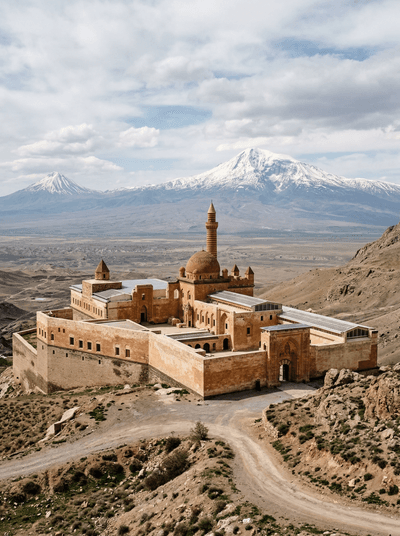
A frontier palace with heating in its stone walls, its golden doors still in the Hermitage.
Amasya
Turkey
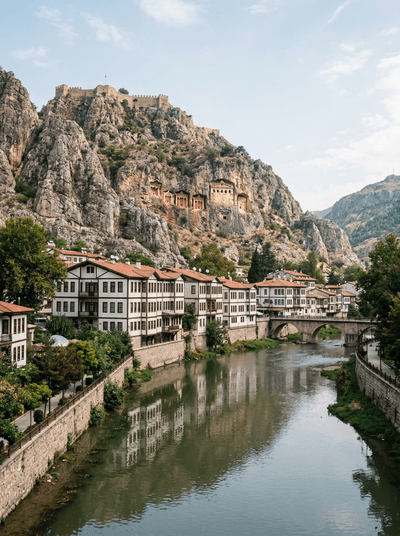
Ottoman mansions reflected in a narrow river gorge, Pontic rock tombs carved into the cliff above.
Kars
Turkey
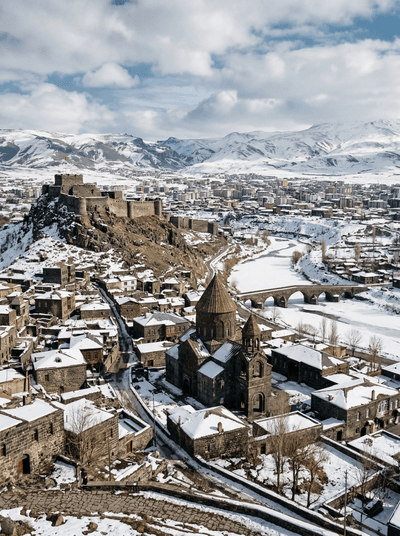
Russian-grid streets and crumbling art nouveau facades in a frontier city where winter means minus thirty.
Spoleto
Italy
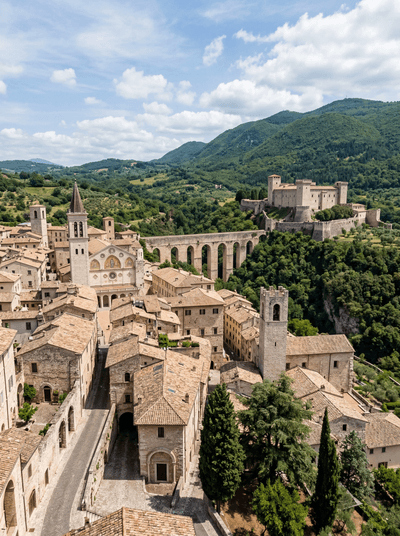
A medieval aqueduct leaps across a forested gorge, connecting a hilltop city to its mountain.
Sete Cidades
Brazil
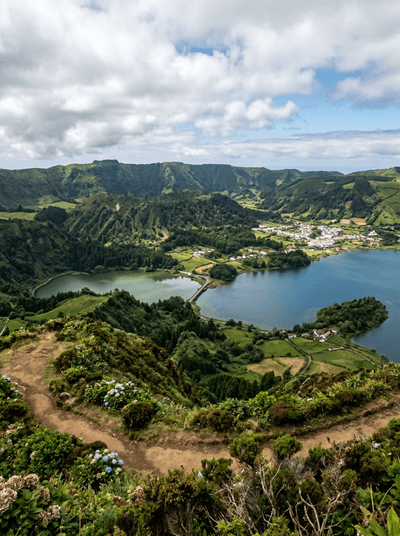
Sandstone eroded into what look like seven separate cities, with rock paintings inside them.
Ilha de Marajó
Brazil
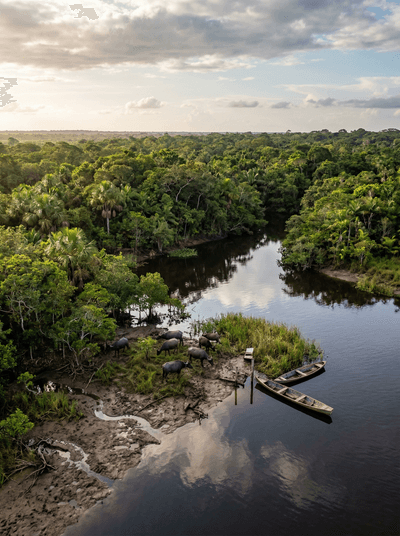
The police here ride buffalo, because the flooded ground defeats anything with wheels.
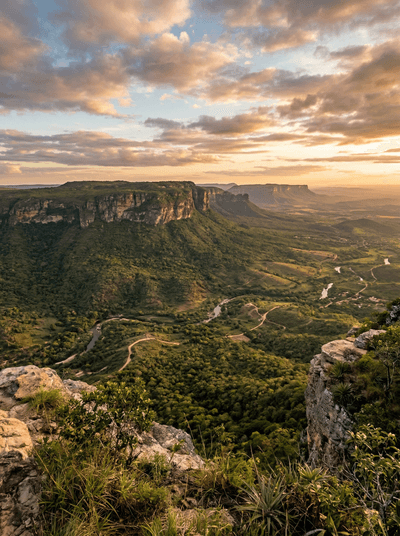
Chapada do Araripe
Brazil
Diggers call this rock pedras de peixe, fish stones, and that is exactly what is inside.
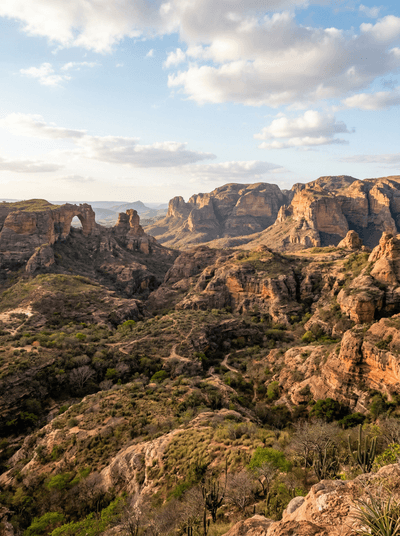
Vale do Catimbau
Brazil
Sandstone cathedrals hiding paintings made under the overhangs some six thousand years ago.