Tuvalu
Fongafale
Families scatter from the runway as a plane lands, then reclaim the tarmac for evening football.
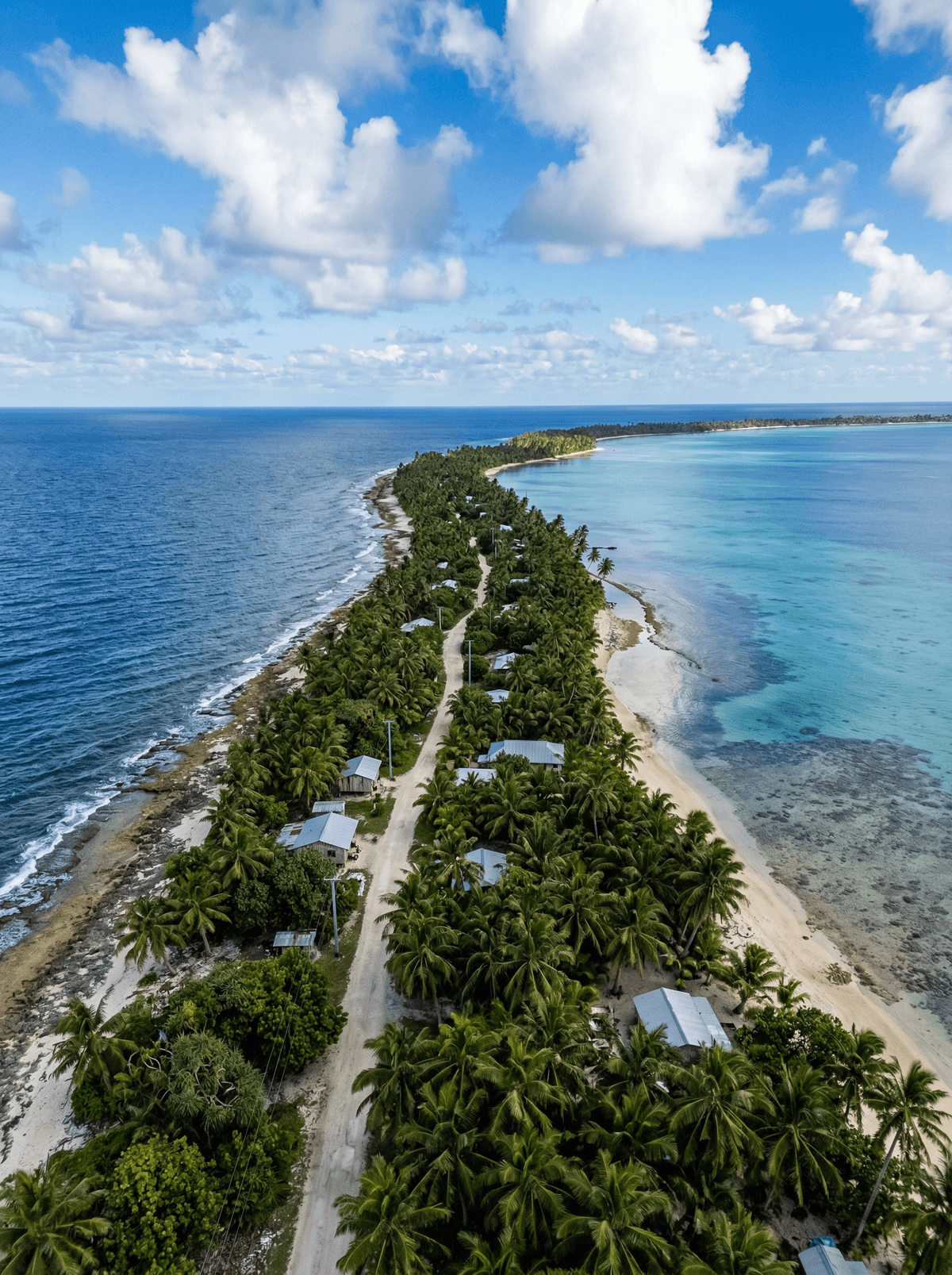
Sirens wail and families drift off the tarmac as the incoming flight drops in over the lagoon. Within minutes of the engines dying away the footballs and volleyballs are back out, and Tuvalu's capital has reclaimed its runway. Nowhere on this coral strip are you far from water: lagoon on one side, open Pacific on the other.
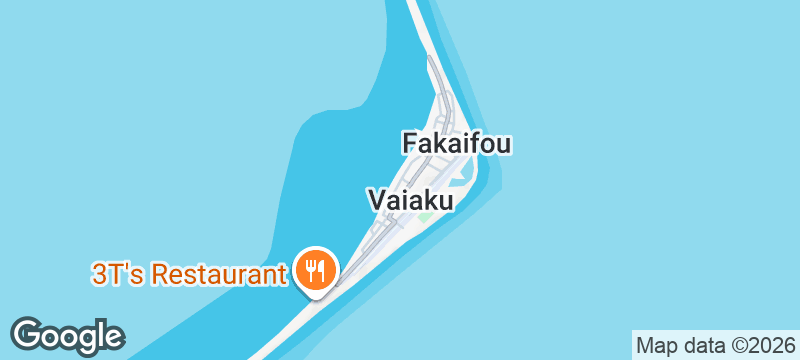
Fongafale is the main islet of Funafuti Atoll and Tuvalu's administrative centre, a ribbon of coral between lagoon and ocean that never grows wider than a few hundred metres. American Seabees laid the airfield in 1943, and outside the handful of weekly flights the runway serves as the nation's park, pitch and evening promenade, cleared by siren whenever a plane is due. In Vaiaku village you can still find the boreholes of David's Drill, sunk in the 1890s by a Royal Society expedition testing Darwin's theory of how coral atolls form. Nine family-run lodges and hotels cluster within a few minutes' walk of the airport and government quarter, and a motorbike is the standard way to ride the ten kilometres to the islet's northern tip. On Sundays the pace drops further, and a host may well bring you to church and then to tonai, the family feast that follows.
Solo
Everything is on foot or a hired motorbike, and the capital is small enough for a solo visitor to join the evening runway games and let Fongafale's scale do the introductions.
Family
Families can watch the siren clear the tarmac for the incoming flight, then join the football and volleyball when the runway reopens in the late afternoon.
Friends
A group can hire motorbikes, ride the islet end to end, and finish the day on the tarmac: the pitch is the airport, and much of the town turns out.
- Outside flight times the international runway is the capital's common ground: football, volleyball and evening walks on the tarmac, with sirens to clear it when a plane is due.
- Fongafale carries Tuvalu's runway, chief village and government quarter on one narrow islet between lagoon and open ocean.
- The boreholes of David's Drill, sunk in the 1890s to test Darwin's theory of atoll formation, can still be seen in the village.
- Nine family-run lodges and hotels stand moments from the airport, from Filamona with the runway at its back door to the lagoon-front Funafuti Lagoon Hotel.
Filamona Lodge's restaurant cooks whatever is fresh and local that day, only steps from the runway; ask what came in rather than expecting a long menu.
If your host invites you to a Sunday tonai, expect fresh fish, coconut apple and breadfruit loaf at the family lunch that follows church.
Cricova
Moldova
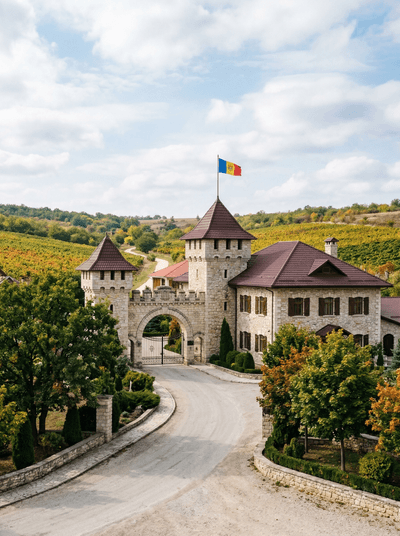
Ride an electric train down wine streets that hide Göring's captured cellar 80 metres underground.
Bylakuppe
India
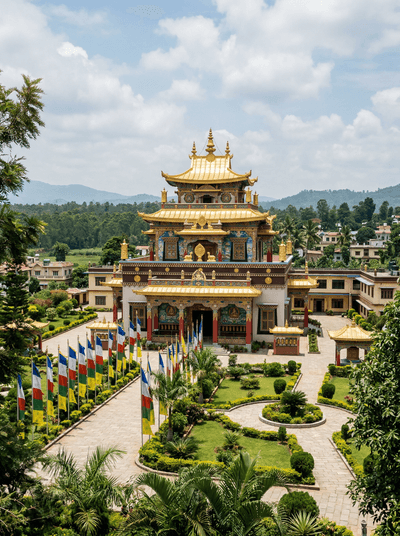
Maroon-robed monks blowing copper horns in a Tibetan exile settlement hidden among South Indian hills.
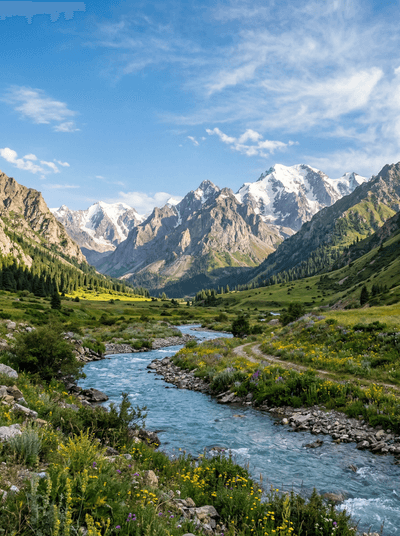
Kara-Suu
Kyrgyzstan
The Fergana Valley's largest market sprawling to the Uzbek border, languages shifting with every stall.
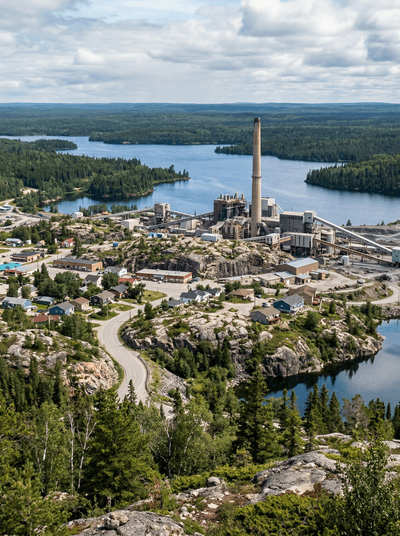
Flin Flon
Canada
A mining town named for a pulp sci-fi hero clings to Precambrian rock at Manitoba's border.
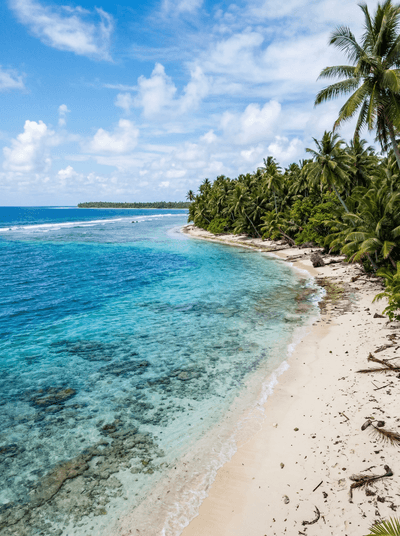
Vaitupu
Tuvalu
Tuvalu's largest island, where traditional sport te ano sends two woven balls flying at once.
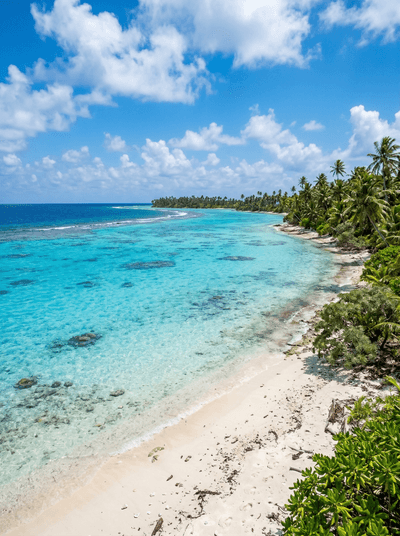
Nui
Tuvalu
A Micronesian island wrapped inside a Polynesian nation: Nui's mother tongue is Gilbertese.
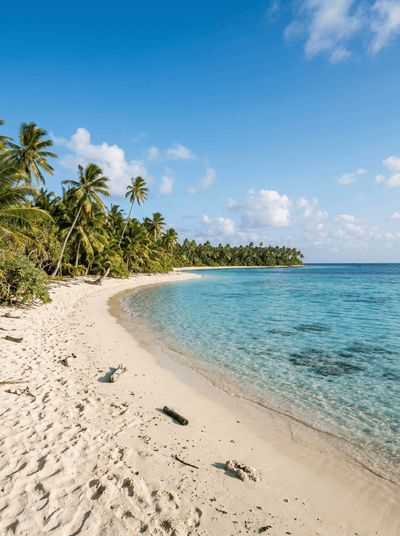
Nanumea
Tuvalu
Japanese bombs found this atoll's church in 1943; a landing craft still rusts on the reef.
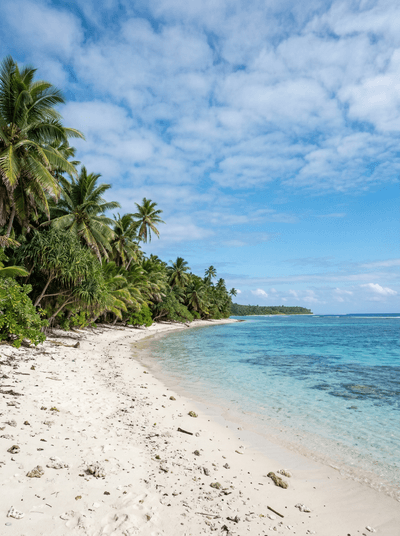
Niutao
Tuvalu
This island swallowed its lagoons: two lie landlocked inside Niutao, one joined underground to the sea.