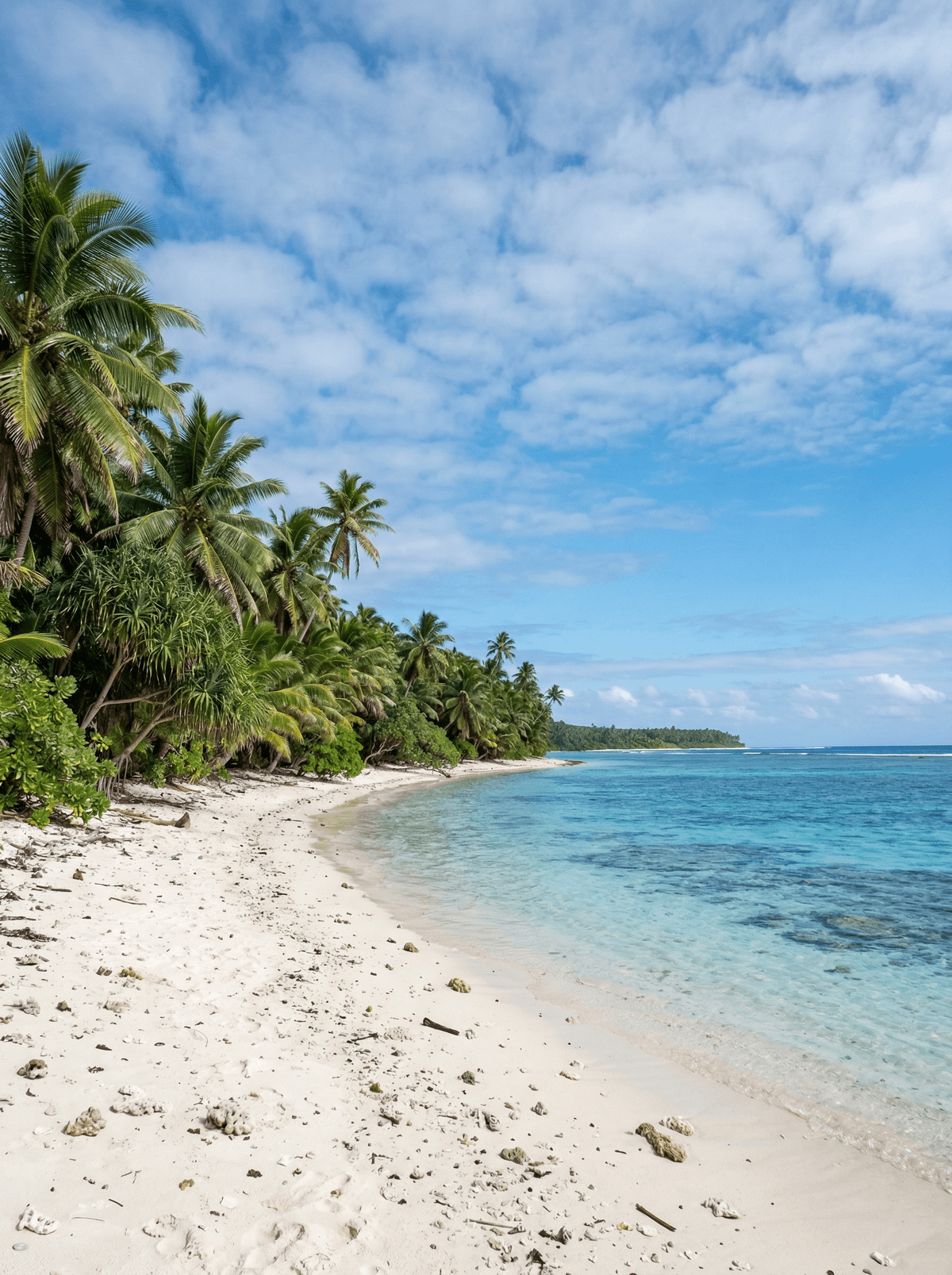
Tuvalu
Niutao
This island swallowed its lagoons: two lie landlocked inside Niutao, one joined underground to the sea.
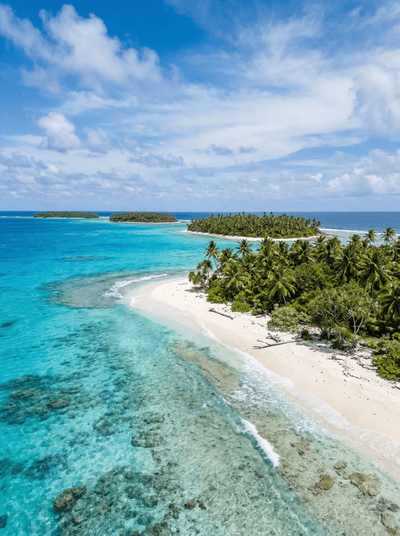
The ocean surrounds Niutao, yet the water at the island's heart is still: a broad inland lagoon east of the village, crossed by a causeway, with three islets standing in it. A second, smaller lagoon hides in the island's west, brackish because the sea still finds it through passages under the rock. Around the enclosed water grow coconut, pandanus and the old pulaka pits.
Niutao is a reef island rather than an atoll, a solid stretch of land about 2.5 kilometres long where Tuvalu's usual geography turns inside out: the lagoons are locked within the island instead of the island ringing a lagoon. Its two villages, Kulia and Teava, held 550 people at the 2022 census, and Niutao people are renowned across Tuvalu for skills handed down through generations, from canoe building and coconut-tree care to lima, a tradition of self-defence. The staples are breadfruit, coconut and pandanus; the pulaka pits that once fed the island are failing as saltwater pushes into them, a loss the community speaks about openly. Two government ships are the only public link to Funafuti, reaching each outer island on a cycle of two to three weeks; passage and a stay are settled before departure.

Solo
A solo guest who asks questions does well here: the island's inherited crafts, the causeway over the inner lagoon and two villages' worth of daily life reward slow attention.
Couple
For couples, evenings mean the village and the water inside the island: the still lagoon on one side of the causeway, the sound of ocean on every horizon.
- A broad landlocked lagoon with three islets lies east of the village, crossed by a causeway, while a second brackish lagoon connects to the sea through passages under the rock.
- Niutao is a reef island with an enclosed lagoon and narrow fringing reef, one of only three islands in atoll-nation Tuvalu built this way.
- Niutao people are renowned for inherited skills still practised today, from canoe building and pulaka cultivation to lima, a tradition of self-defence.
- Tuvalu's 2022 census counted 550 residents, and the interisland ships call at intervals of two to three weeks, so guests live at village pace.
Breadfruit, coconut and pandanus are the island's documented staples; meals come from family kitchens, cooked from what the trees and the reef give that day.
If your stay takes in a Sunday tonai, the feast after church, expect baked breadfruit and fish; pulaka has become a rarity as saltwater claims the pits.
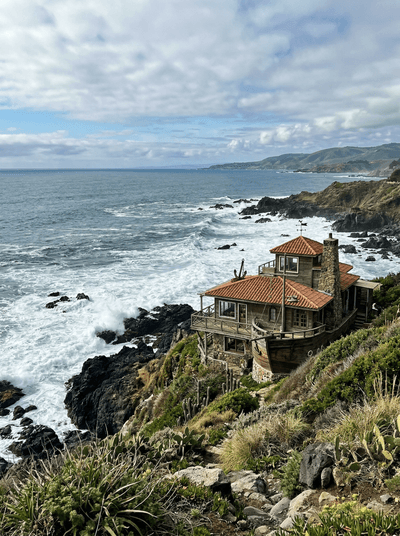
Isla Negra
Chile
Neruda's house of collections faces a Pacific coast of black rock and white water.
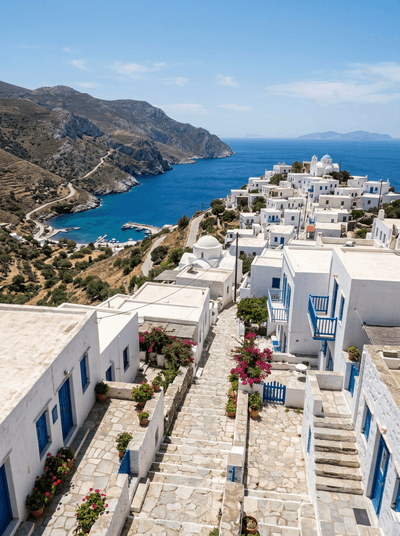
Amorgos
Greece
A whitewashed monastery clings to a 300-metre cliff face above crashing Aegean surf.
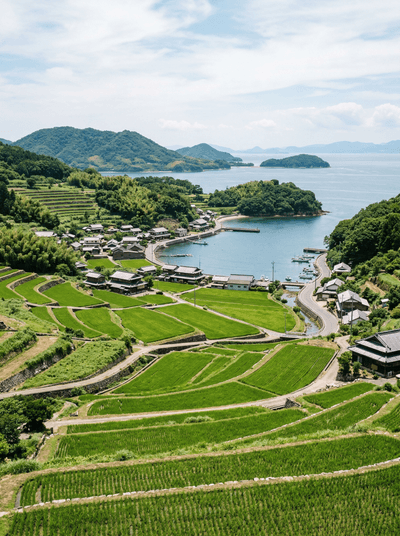
Teshima
Japan
A single raindrop museum on a terraced island where art and rice paddies merge.
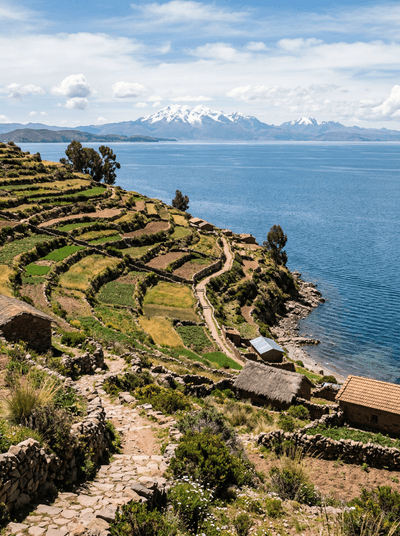
Taquile Island
Peru
An island where the men knit, and the knitting is UNESCO-listed art.
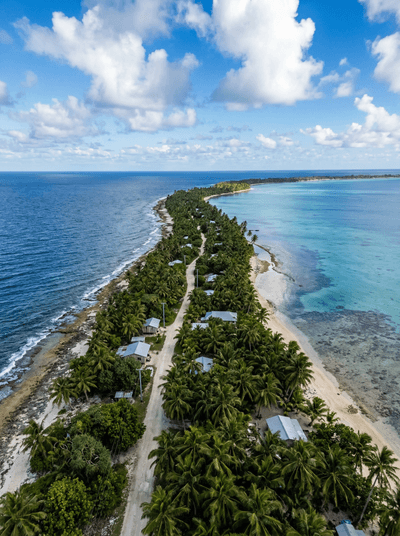
Fongafale
Tuvalu
Families scatter from the runway as a plane lands, then reclaim the tarmac for evening football.
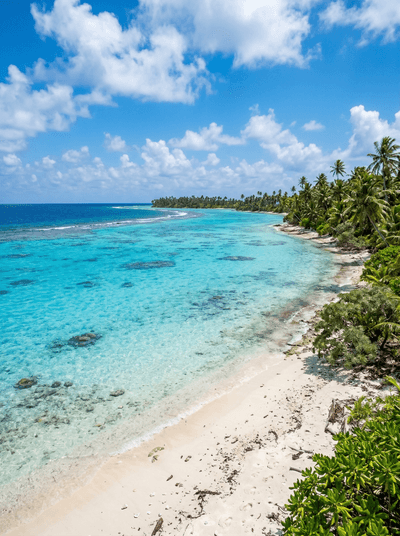
Nui
Tuvalu
A Micronesian island wrapped inside a Polynesian nation: Nui's mother tongue is Gilbertese.
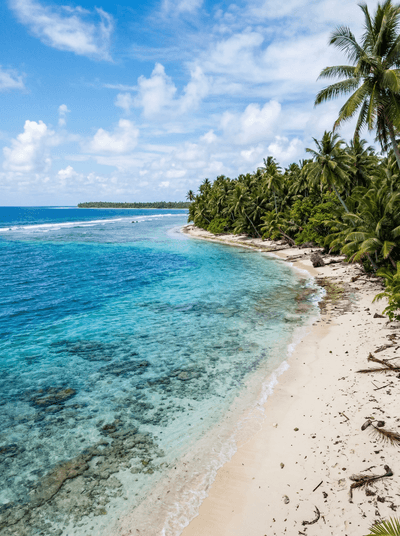
Vaitupu
Tuvalu
Tuvalu's largest island, where traditional sport te ano sends two woven balls flying at once.
Funafuti Conservation Area
Tuvalu
Green turtles nest on six empty islets holding nearly half Funafuti's remaining native forest.