
Costa Rica
Gandoca-Manzanillo Wildlife Refuge
Manatees shelter in tea-dark lagoons; the reef grows an oyster known nowhere else.
The trail dissolves into root and coral rock, the Caribbean pushing through gaps in the reef shelf beside you. Somewhere in the tea-coloured lagoon behind the beach, the country's manatees keep their distance. This is the southern end of Costa Rica's Caribbean, where rainforest runs unbroken toward the Panamanian border.
Gandoca-Manzanillo protects the coast where Costa Rica's Caribbean ends: golden beaches backed by swamp and lagoon, and a five-square-kilometre reef arcing over Punta Uva, Manzanillo and Punta Mona. The reef holds brain coral and sea fans — and the only natural habitat of the mangrove oyster, a species that lives on submerged roots inside the reef's shelter. Manatees and nesting sea turtles are the refuge's threatened headliners, managed hand in hand with the coastal communities. Snorkellers follow one firm etiquette: never stand on the coral, and treat the signed bathing areas as law.
Solo
Walk the coastal route south from Manzanillo village between forest and reef water — an unhurried, self-propelled day with the Caribbean always on your left.
Couple
Golden-sand coves, reef-calmed water and villages that still cook rondón for themselves — the far south keeps its Caribbean unpolished.
- A five-square-kilometre protected reef arcs over Punta Uva, Manzanillo and Punta Mona.
- This is the only natural habitat of the mangrove oyster, which grows inside the reef's coastline shelter.
- Manatees and nesting sea turtles head the refuge's threatened-species list.
- Conservation here runs on community participation — the villages are part of the refuge, not outside it.
Caribbean rondón — a coconut broth of fish and root vegetables, built from what the boats landed.
Plantintá — sweet spiced plantain baked into pastry, Limón's answer to a fruit pie.
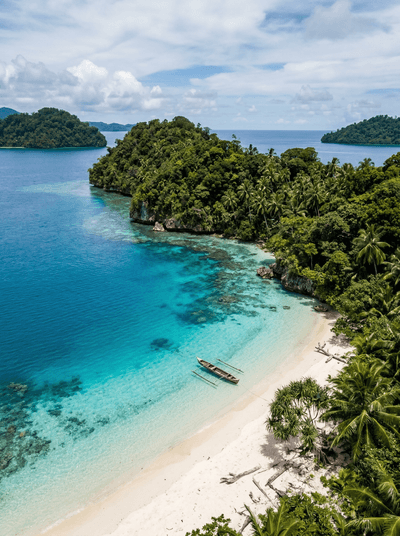
Arnavon Islands
Solomon Islands
Hawksbill turtles nest on beaches three communities agreed to stop hunting.
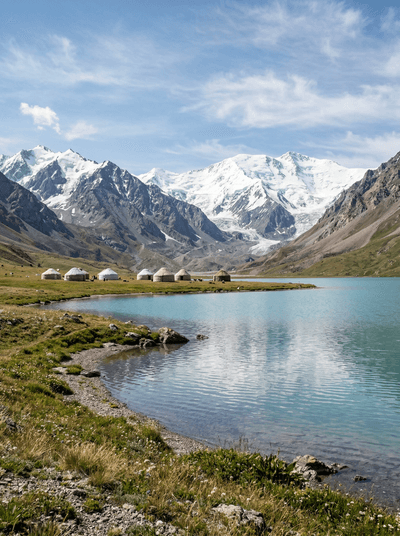
Tulpar-Köl
Kyrgyzstan
Alpine pools at 3,500 metres that mirror a 7,000-metre peak at dawn like shattered glass.
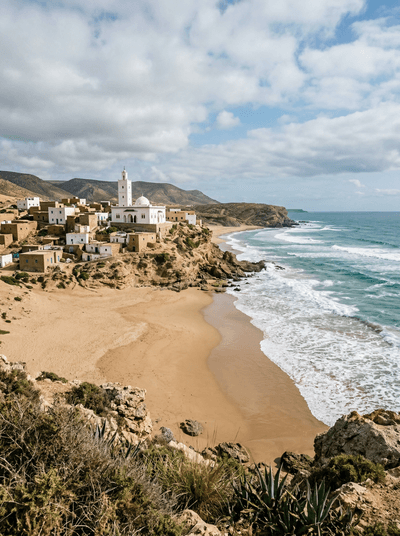
Sidi Moussa d'Aglou
Morocco
White doors puncture an Atlantic cliff where fishermen carved rooms into rock.
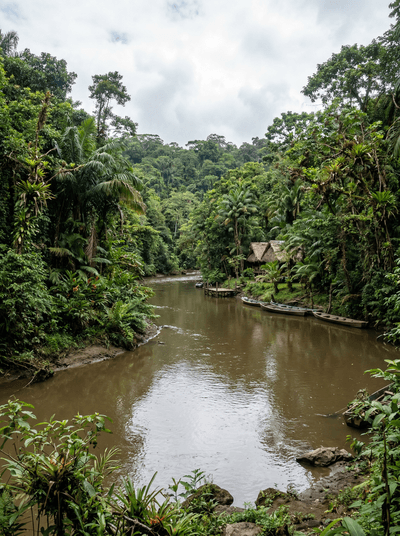
Boca Tapada
Costa Rica
A muddy northern frontier where endangered green macaws nest in wild almond trees.
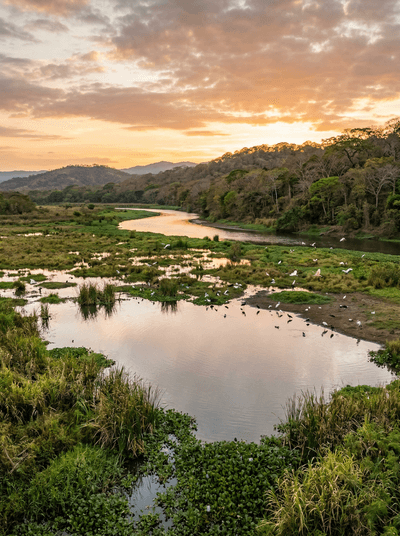
Palo Verde National Park
Costa Rica
Ten thousand hectares of marsh erupt with waterbirds while crocodiles bask below limestone hills.
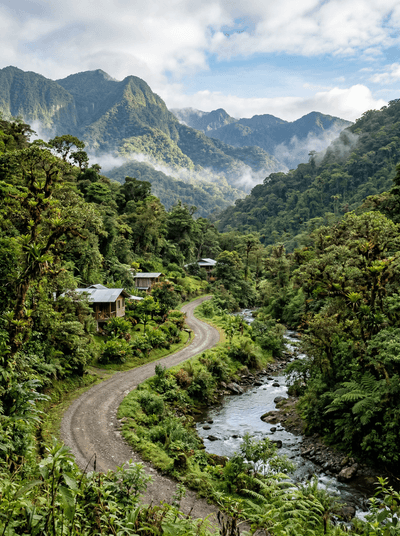
San Gerardo de Dota
Costa Rica
A bird the Maya held sacred flashes emerald through one cold valley's mist.
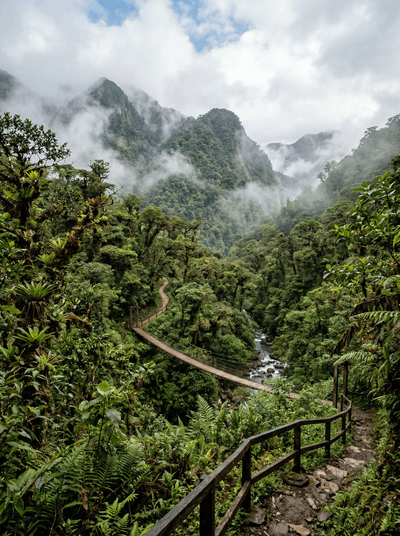
Cloudbridge Nature Reserve
Costa Rica
Dead cattle pasture transformed into cloud forest in twenty years — quetzals returned before anyone expected.