Egypt
Speos Artemidos
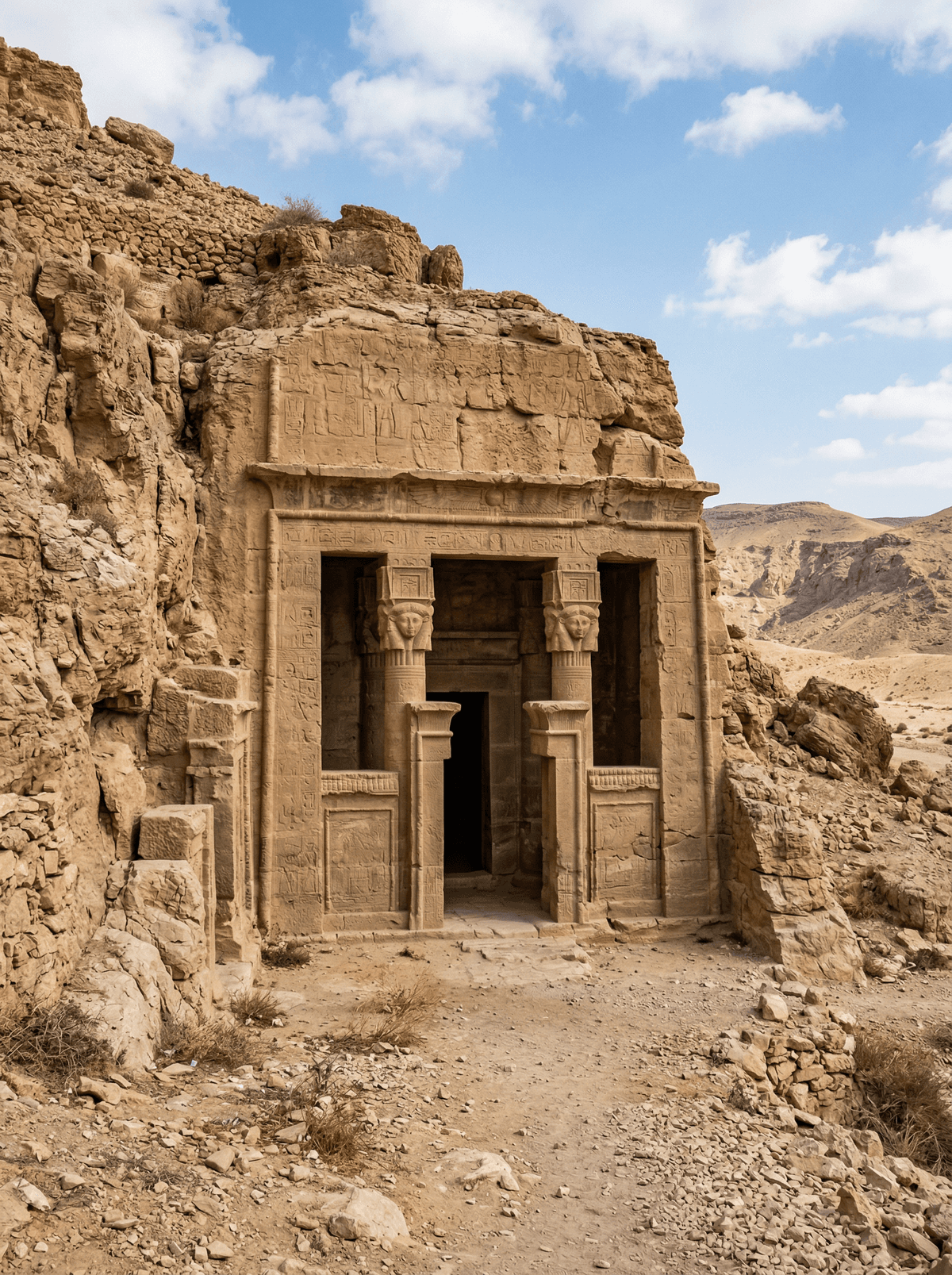
Hatshepsut's rock-cut temple hidden in a desert wadi, her carved queen's face still defiant.
The wadi narrows and the rock-cut facade appears — Hatshepsut's temple carved directly into the cliff face, her cartouches and inscriptions still sharp in the limestone. Bats flicker inside the pillared hall. The only path in is a desert track through a dry canyon, and the only sound is gravel shifting underfoot.
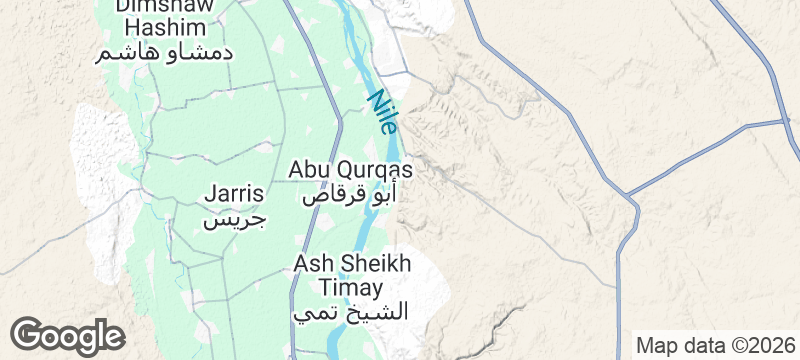
Speos Artemidos is a rock-cut temple in a wadi east of Beni Hasan in Middle Egypt, commissioned by the female pharaoh Hatshepsut in the 15th century BCE. The temple was dedicated to the lioness goddess Pakhet — the Greeks later identified her with Artemis, giving the site its classical name. Its most significant feature is a long dedicatory inscription in which Hatshepsut claims to have restored temples damaged during Hyksos rule, a politically charged statement that scholars continue to debate. The temple's isolated location in a desert wadi means it receives almost no visitors, despite containing some of the most assertive royal propaganda in Egyptian history. Nearby caves contain additional inscriptions and the remains of a smaller temple begun by Thutmose III.
Solo
The wadi approach is a solitary walk into one of Egypt's most overlooked royal monuments. Solo visitors have the rare privilege of reading Hatshepsut's inscriptions in silence, without the crowds that swamp her mortuary temple at Luxor.
Couple
The canyon setting and hidden temple create a sense of shared discovery. Pair it with Beni Hasan's painted tombs for a full day exploring Middle Egypt's most underrated archaeological landscape.
- Hatshepsut's dedicatory inscription on the façade is one of the longest royal texts in ancient Egyptian history — running to dozens of lines of hieratic text.
- The temple is cut directly into a limestone cliff and cannot be seen from the main road — it has no signposted turnoff.
- The interior chapel retains a limestone ceiling with a well-preserved image of the sky goddess Nut in intact original paint.
- The temple is less than 500 metres from the Beni Hasan cliff tombs — both sites are typically visited in the same half-day trip from Minya.
Slow-cooked molokhia soup ladled over rice with garlic-vinegar sauce in Minya's old-town restaurants.
Baladi bread baked in mud ovens at Upper Egyptian village bakeries along the approach road.
Carnarvon Gorge
Australia
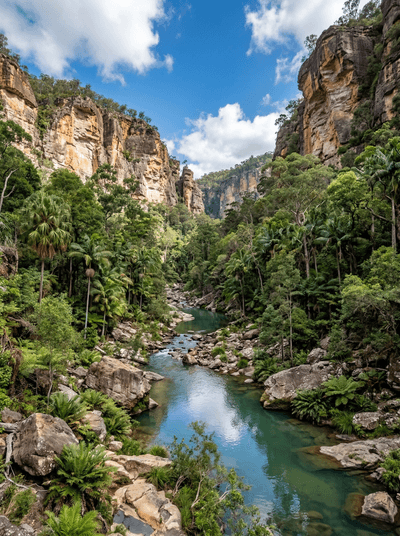
Aboriginal hand stencils pressed into sandstone walls deep inside a gorge of towering palms.
Țipova
Moldova
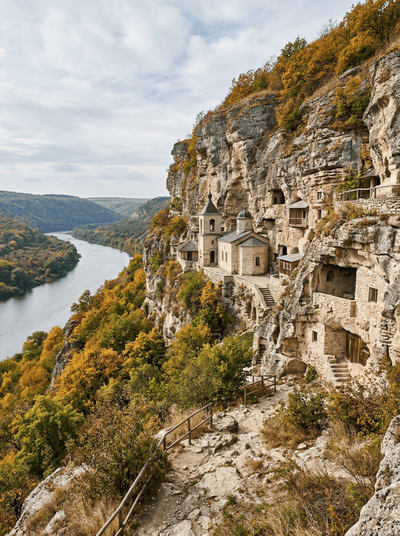
Cliff-face cells where medieval hermits prayed above a Dniester gorge locals still link to Orpheus.
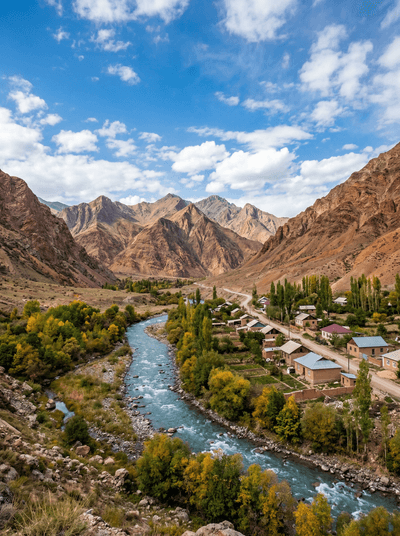
Kyzyl-Oi
Kyrgyzstan
A Silk Road village inside a red-rock canyon, one of the few settlements predating Soviet collectivisation.
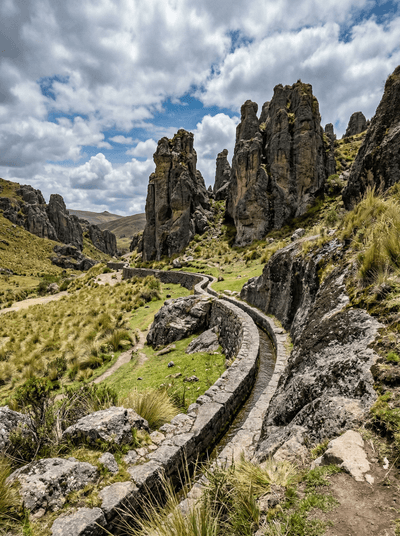
Cumbemayo
Peru
Pre-Inca aqueducts carved through living rock at 3,500 metres — still channelling water after millennia.
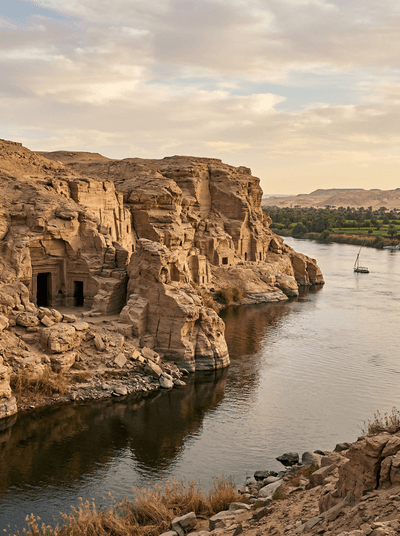
Gebel el-Silsila
Egypt
The Nile squeezes through sandstone quarry cliffs where pharaohs carved temples from the living rock.
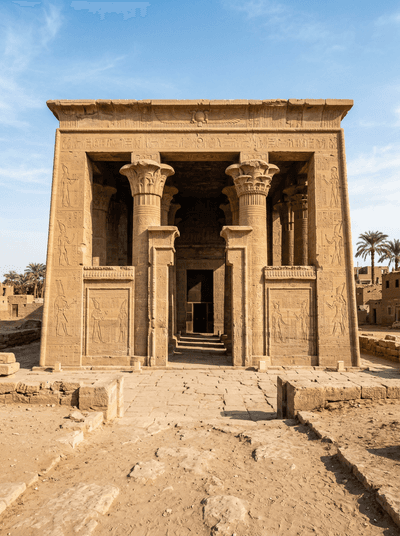
Esna
Egypt
A Ptolemaic temple buried nine metres below a modern town, its zodiac ceiling still overhead.
Wadi Sannur Cave
Egypt
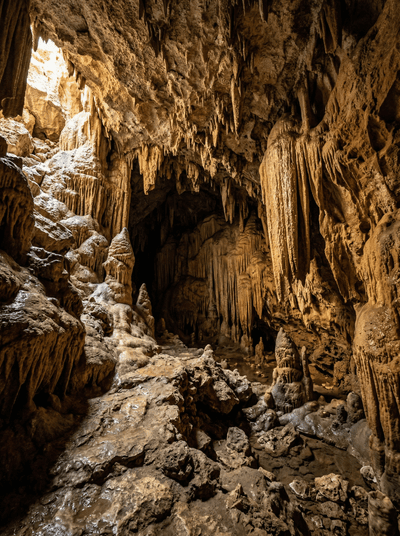
Alabaster stalactites glowing inside a desert cave that nobody expects Egypt to have.
Dahshur
Egypt
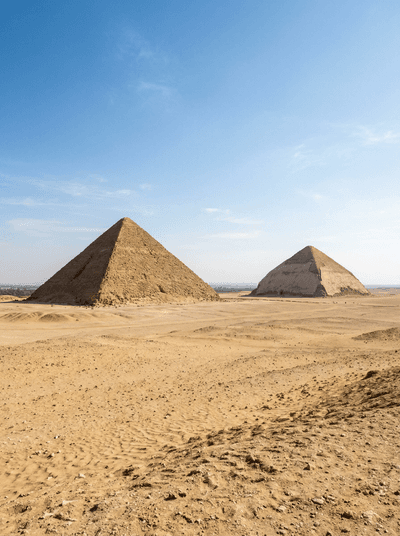
Two experimental pyramids alone in empty desert — one bent, one red, no tour buses.