Egypt
Rosetta
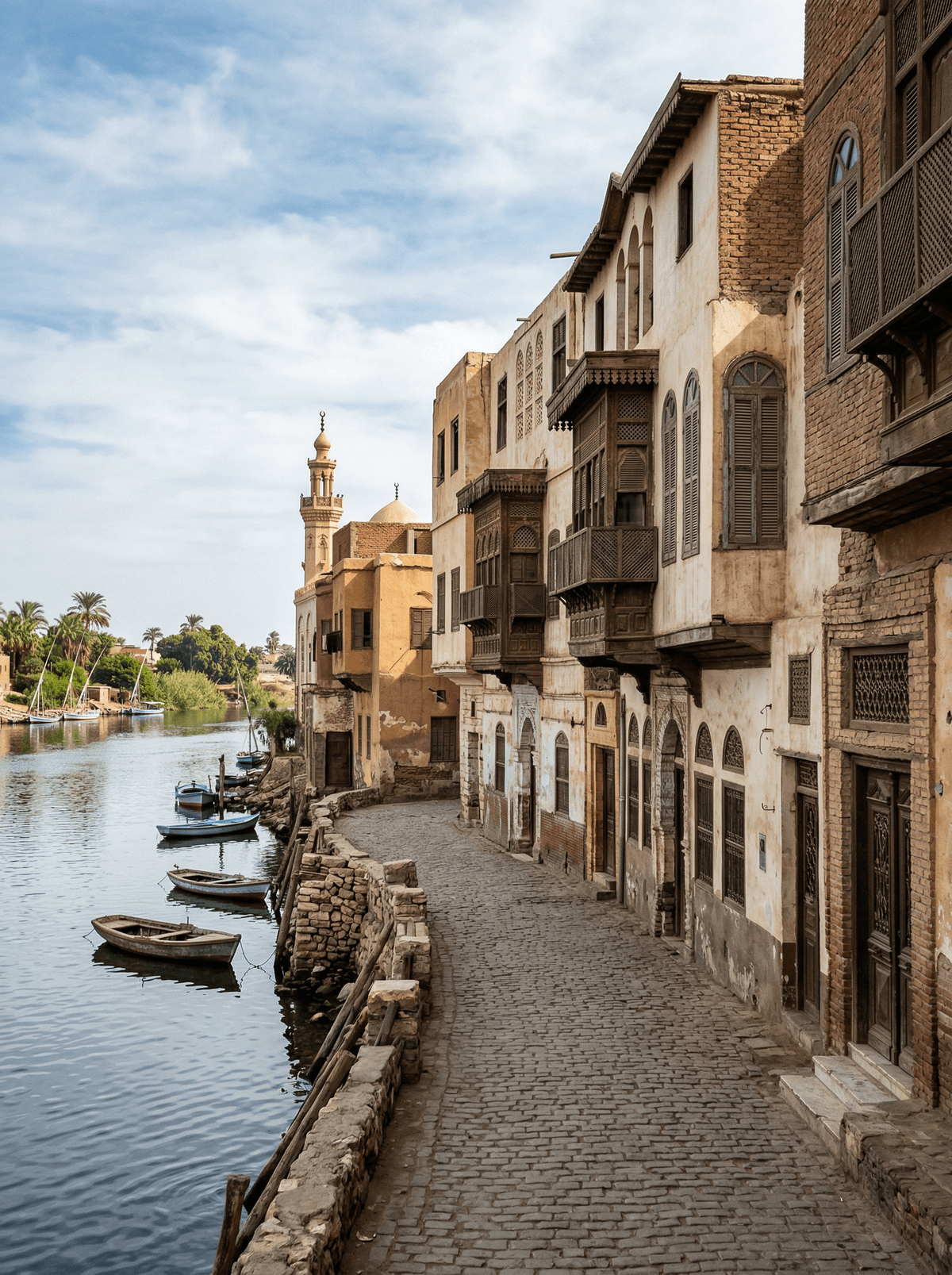
Ottoman mansions with mashrabiya screens leaning over lanes where the key to hieroglyphs was found.
Mashrabiya screens cast latticed shadows across the lane, and behind them the wooden balconies of Ottoman mansions lean toward each other as if sharing secrets. Rosetta's old quarter smells of river water and roasted fish, preserved less by restoration budgets than by being forgotten. A few kilometres north, the Nile fans into the Mediterranean.
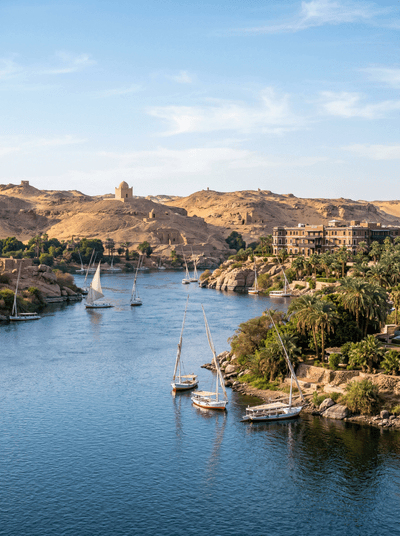
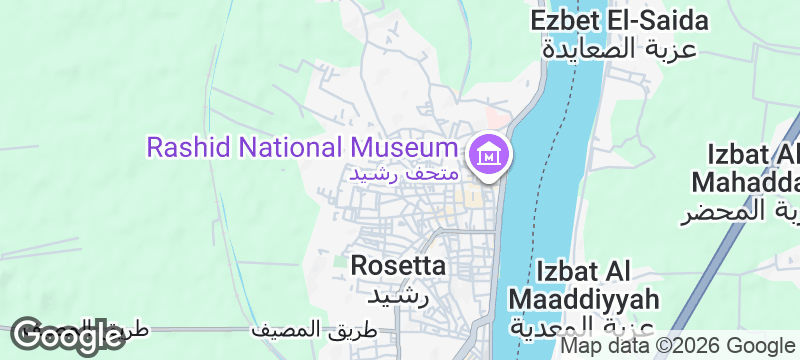
Rosetta — Rashid — sits on the Delta's western branch, a few kilometres from the sea. It is globally famous for one object: the stone found here in 1799 whose trilingual inscription let Champollion crack hieroglyphs. The town itself is the overlooked prize, holding Egypt's largest concentration of Ottoman-era merchant houses, with the Rosetta National Museum restored inside the Ottoman governor's own mansion. Beyond the lanes, the working estuary's fishing boats — the size of small ferries — feed the corniche's markets and restaurants.
Family
Walk the Ottoman lanes with the children counting mashrabiya balconies, then watch the ferry-sized fishing boats from a corniche table.
- The Rosetta Stone was found embedded in a medieval wall by a soldier digging fortifications — it had been building material for centuries.
- Twenty-two registered Ottoman houses stand within walking distance of the centre — the densest such cluster in Egypt.
- The National Museum occupies the restored 18th-century mansion of Rosetta's Ottoman governor.
- The estuary is working water — boats shuttle between the sea and the fisheries that stock the corniche tables.
The corniche fish restaurants stock straight from the town's own fisheries — the Nile's last catch before the sea.
Rosetta's honey is famous across Egypt — take it drizzled on morning-market bread.
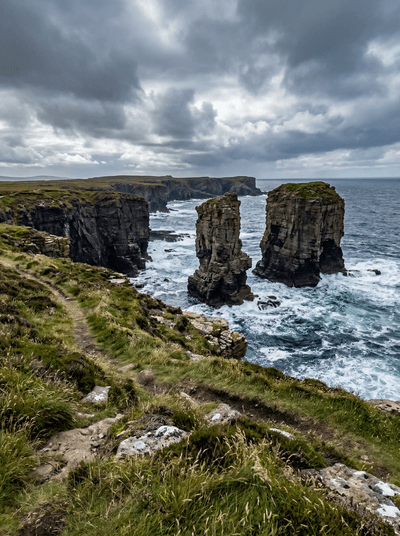
Orkney
Scotland
Neolithic villages older than the pyramids emerge from windswept farmland beside a Viking cathedral.
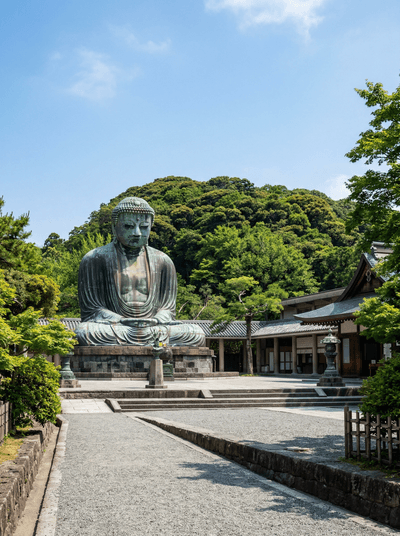
Kamakura
Japan
A bronze Buddha meditating outdoors for five centuries, since the sea took his hall.
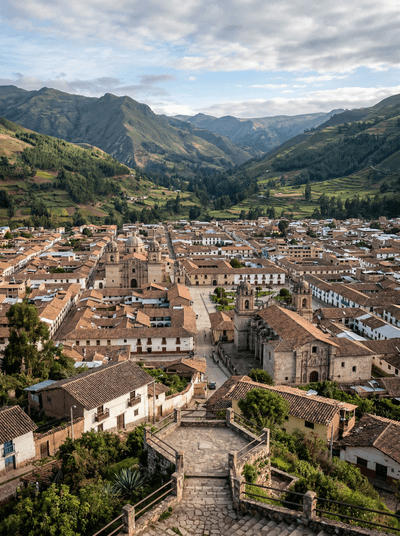
Cajamarca
Peru
The stone room where the last Inca emperor offered to fill the walls with gold.
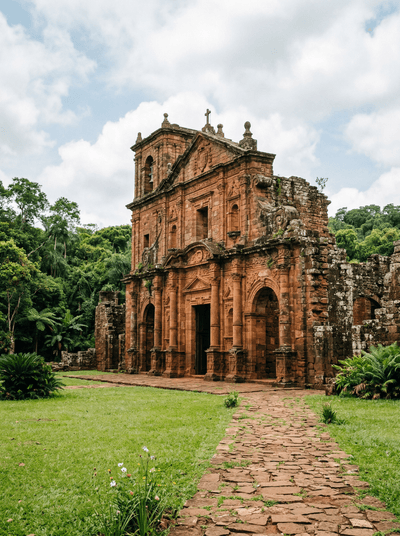
San Ignacio Miní
Argentina
Jungle-wrapped Jesuit ruins where Guaraní played baroque beneath a howler-monkey canopy.