Egypt
Wadi Sannur Cave
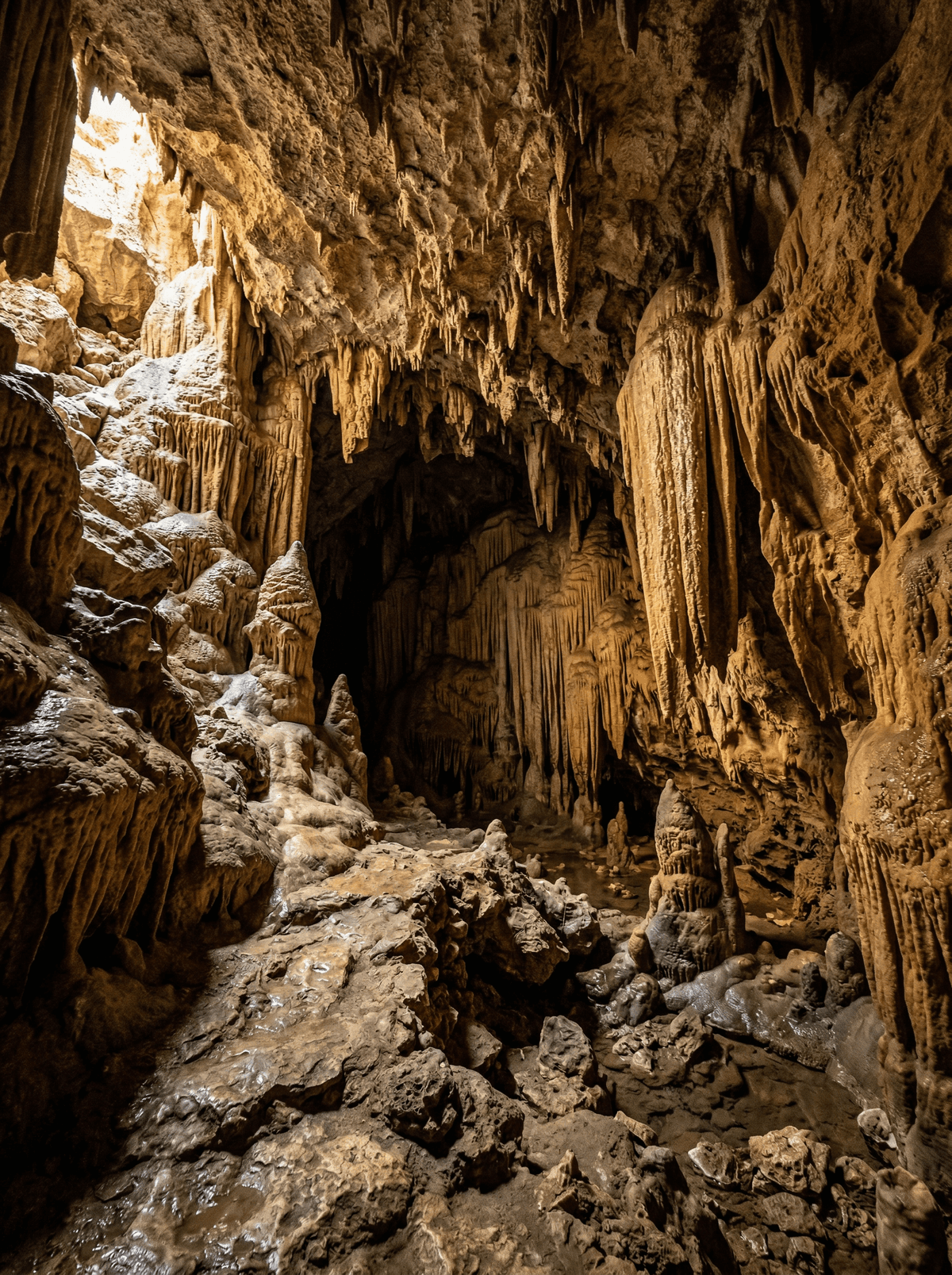
Alabaster stalactites glowing inside a desert cave that nobody expects Egypt to have.
Daylight vanishes at the cave mouth and your eyes adjust to something improbable — translucent alabaster formations glowing amber and honey-gold in the torchlight. Stalactites and stalagmites meet in columns that look carved rather than grown. The air is cool and still, a shock after the desert heat above.
Wadi Sannur Cave is a natural karst cavern in the Eastern Desert near Beni Suef, declared a natural protectorate by Egypt in 1992. The cave formed in Eocene-era limestone roughly 40 million years ago, and its alabaster speleothems — translucent calcite formations — are considered among the finest in the Middle East. The main chamber stretches approximately 700 metres, with formations ranging from delicate soda-straw stalactites to massive flowstone curtains. Egypt is not a country associated with caves, which makes Wadi Sannur a genuine surprise. Access requires a short desert drive from Beni Suef and a local guide to unlock the protected entrance.
Solo
A solo visit amplifies the strangeness of finding a cave this spectacular in the Egyptian desert. The quiet approach and small-group access create an experience that feels like a personal discovery.
Couple
The cave's intimate scale and otherworldly atmosphere make it a genuinely unusual shared experience — nothing like the open-air temple visits that dominate Egyptian itineraries.
Family
Children respond to the cave with instinctive wonder — the formations are tactile and immediate in a way that ancient ruins sometimes are not. The short drive from Beni Suef keeps the logistics manageable.
- The cave was discovered in 1980 during phosphate mining operations and subsequently protected as Egypt's first designated natural cave reserve.
- The alabaster stalactites and stalagmites formed over tens of thousands of years — in a marine limestone deposit far older than the surrounding desert.
- The interior maintains a constant temperature of around 18°C — noticeably cooler than the desert outside regardless of the season.
- Entrance is via a short concrete staircase 70km south of Beni Suef — a local guide from the governorate tourism office must accompany all visits.
Simple roadside meals of ful and tamiya from Beni Suef before the drive to the cave.
Pack a picnic — the cave is in empty desert with no facilities.
Beni Suef's grilled pigeon and feteer meshaltet make a rewarding post-cave lunch.
Wai-O-Tapu
New Zealand
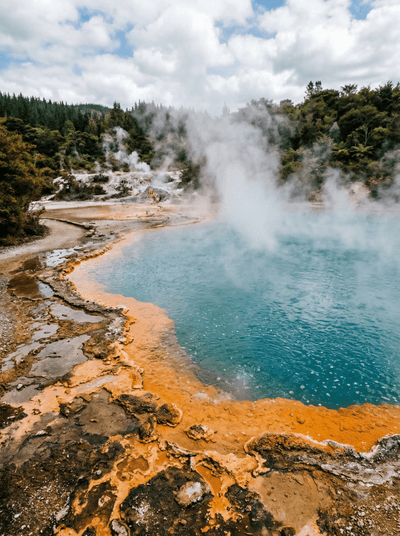
A pool fizzing with carbon dioxide beside a sulphur lake in a landscape smelling of hell.
Toro Muerto
Peru
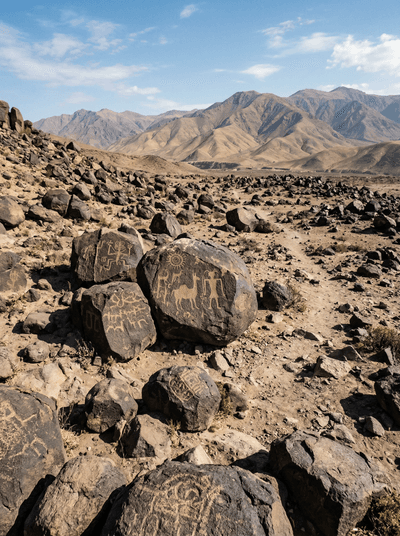
Five thousand petroglyphs carved into desert boulders across a silent valley — barely a visitor.
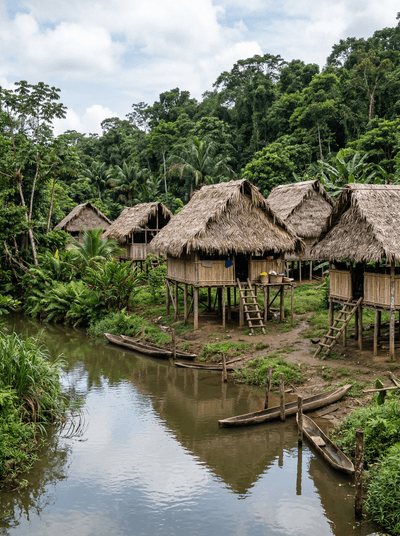
Wounaan Villages
Panama
Wounaan carvers shaping rainforest nuts into vegetable ivory sculptures so fine galleries exhibit them as art.
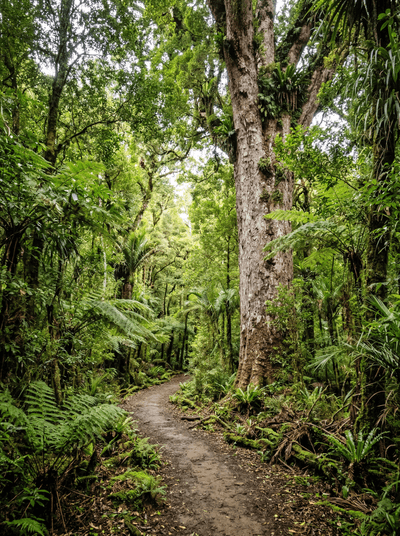
Waipoua Forest
New Zealand
A two-thousand-year-old kauri tree stands wider than a house in primeval darkness.
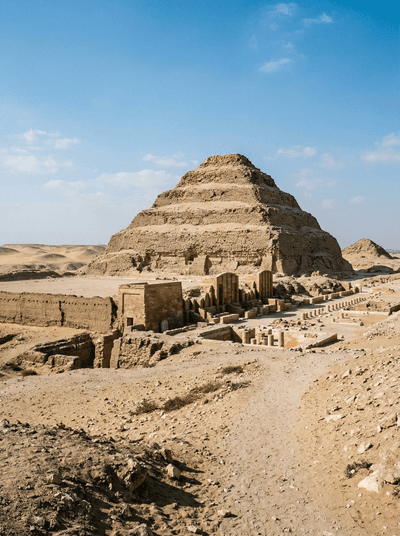
Saqqara
Egypt
The world's first monumental stone building, still standing on a desert plateau littered with unopened tombs.
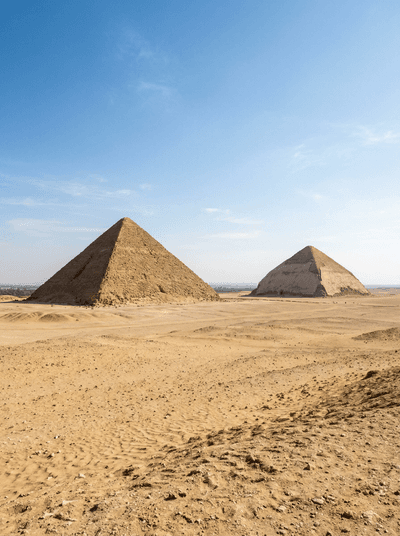
Dahshur
Egypt
Two experimental pyramids alone in empty desert — one bent, one red, no tour buses.
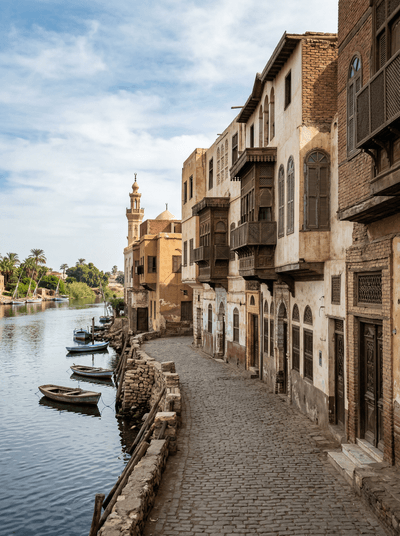
Rosetta
Egypt
Ottoman mansions with mashrabiya screens leaning over lanes where the key to hieroglyphs was found.
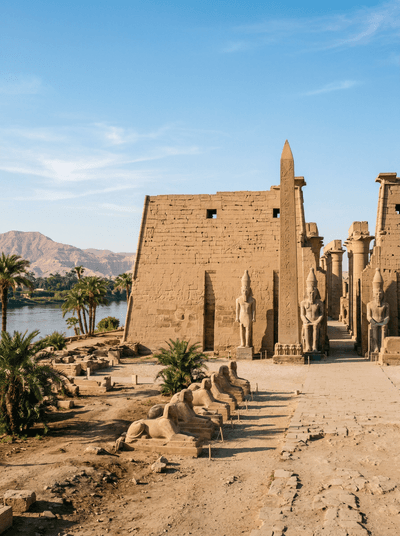
Luxor
Egypt
Dawn light flooding Karnak's hypostyle hall through columns carved before Rome existed.