Egypt
Saqqara
The world's first monumental stone building, still standing on a desert plateau littered with unopened tombs.
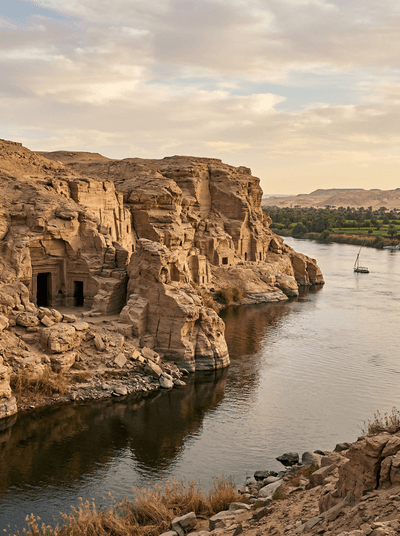
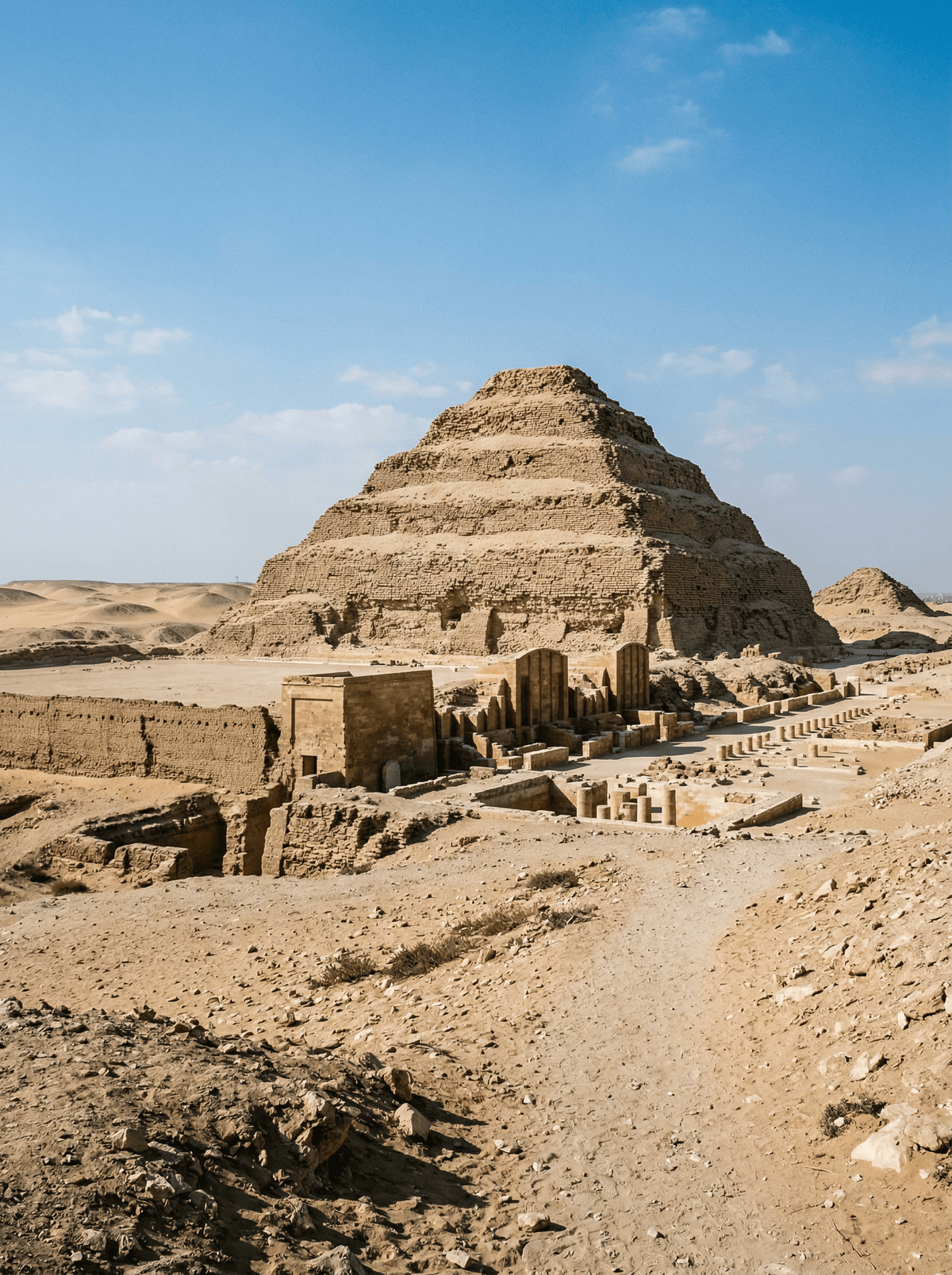
The Step Pyramid of Djoser rises in six stacked tiers, the oldest monumental stone structure on the planet. The sand around it is littered with half-excavated tombs and sealed shafts still being opened — including a cache of intact sarcophagi found as recently as 2020. The silence here is what Giza lost decades ago.
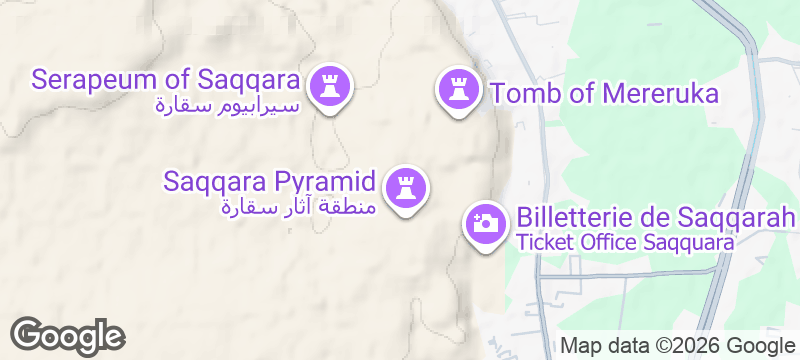
Saqqara was the necropolis of Memphis, Egypt's first capital, and its burials span three thousand years. The Step Pyramid, designed by Imhotep around 2670 BCE, is the leap from flat mastaba to true pyramid — the prototype for everything at Giza. The pyramids of Unas and Teti carry the Pyramid Texts, the oldest religious writings in existence, and Unas can be entered; the Serapeum's underground gallery held the mummified Apis bulls in granite sarcophagi the size of rooms.
Family
Let the children climb down into Unas's pyramid — the texts are on the walls — then trade sarcophagus stories over lunch.
- Djoser's complex was history's first monumental building in cut stone.
- Excavation never stopped — a single shaft opened in 2020 held 59 sealed, undisturbed coffins.
- Inside Unas's pyramid, the oldest known religious texts run wall to wall — and you can go in.
- Twenty kilometres from Giza, the plateau draws a fraction of the visitors and keeps its silence.
The village pigeon towers supply the tables — pigeon stuffed with freekeh is the order.
A rest-house lunch under palms — grilled chicken, rice, salata baladi — frames the Step Pyramid behind your plate.

Sukhothai
Thailand
Cycling through lotus ponds and brick stupas where Thailand's first capital crumbles into dust.

Orkney
Scotland
Neolithic villages older than the pyramids emerge from windswept farmland beside a Viking cathedral.
Cajamarca
Peru
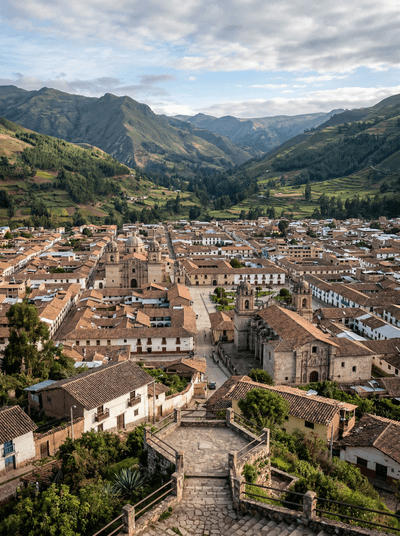
The stone room where the last Inca emperor offered to fill the walls with gold.
Guimarães
Portugal
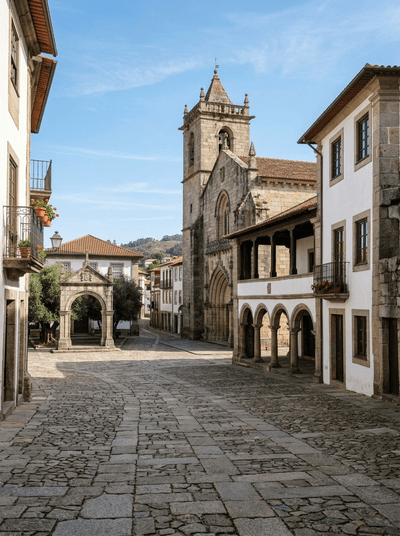
Where Portugal was born — the first capital's castle and cobbled streets still standing.