Egypt
Gebel Uweinat
Prehistoric rock art galleries at the meeting point of Egypt, Libya, and Sudan.
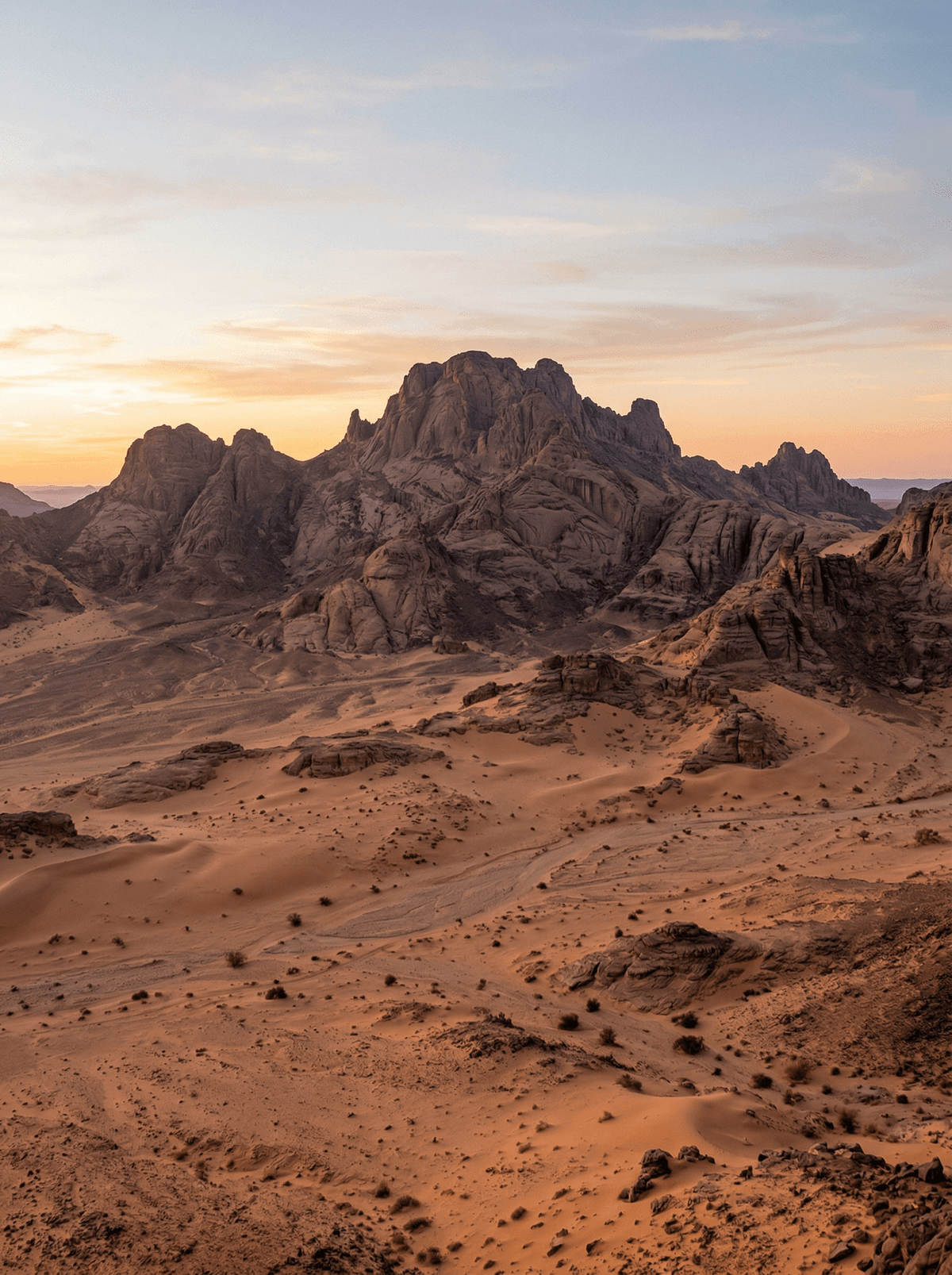
The massif rises from flat sand like a dark island, its cliffs stained with desert varnish and scored with narrow wadis. Inside those wadis, on sheltered rock faces, prehistoric artists painted cattle, giraffes, and human figures — evidence of a green Sahara that vanished millennia ago. You stand at the point where three countries meet and no border post exists.
Gebel Uweinat is a granite and sandstone massif at the tripoint of Egypt, Libya, and Sudan, rising to 1,934 metres above the surrounding desert plain. Its rock art galleries — discovered by European explorers in the 1920s and 1930s — contain thousands of paintings and engravings dating from the Neolithic wet phase, roughly 8000-5000 BCE, when the Sahara supported savannah vegetation, lakes, and pastoral communities. The art depicts cattle herds, swimming figures, and wildlife that has not existed in this landscape for millennia. Gebel Uweinat is one of the most remote locations accessible from Egypt, requiring a multi-day desert expedition from Dakhla Oasis with full logistical support, military permits, and GPS navigation across featureless sand sea.
Friends
Gebel Uweinat is among the most ambitious expeditions possible in Egypt — days of desert driving, wild camping, and the reward of prehistoric art galleries that virtually no one has seen. This is a journey that demands and forges a capable group.
- The massif rises to 1,934 metres — the highest point in Egypt, Libya, and Sudan simultaneously, as all three borders converge at the base.
- Rock art galleries in the Wadi Karkur Talh gorge contain hundreds of images in multiple overlapping styles spanning 10,000 years of human presence.
- A military permit from the Egyptian Army must be arranged weeks in advance — expedition groups typically require a minimum of four vehicles.
- The site is 600km from the nearest Egyptian town — Gebel Uweinat is among the most remote places in Africa reachable without specialist mountaineering equipment.
Expedition-style tinned foul and flatbread cooked on portable stoves under billion-star skies.
Strong sweet tea brewed on a campfire at the base of the massif after summit day.
Chapursan Valley
Pakistan
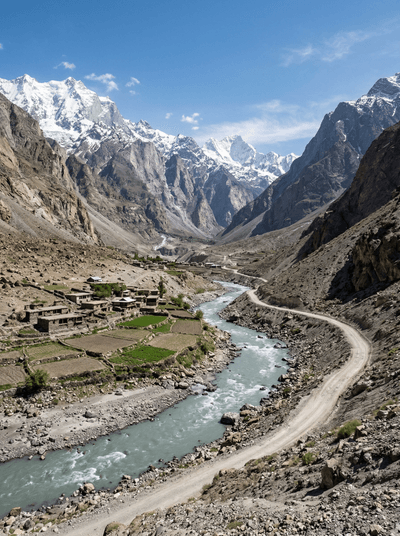
Yaks grazing below apricot blossoms at 3,500 metres in a valley wedged between Afghanistan and China.
Bolan Pass
Pakistan
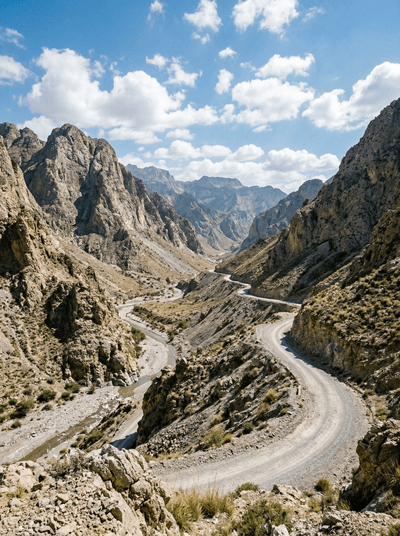
A ninety-kilometre gorge carved through bare stone — the corridor every invading army since Alexander chose.
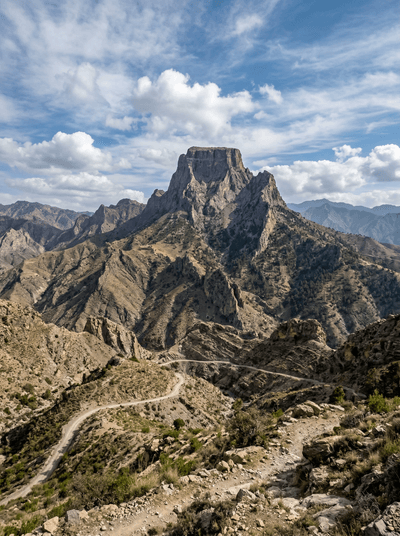
Takht-e-Sulaiman
Pakistan
Solomon's Throne — a sacred peak holy to three faiths, visible a hundred kilometres across borderland.
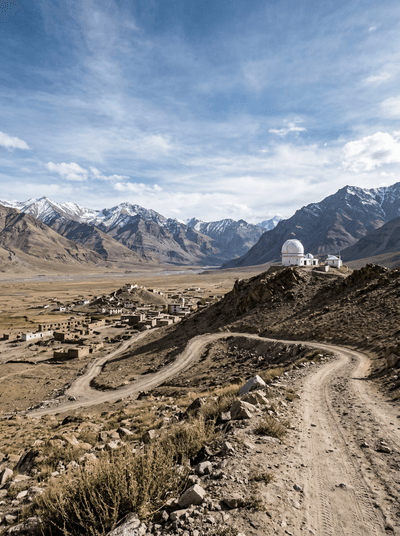
Hanle
India
A dark sky reserve where a monastery and a gamma-ray telescope share a barren peak.
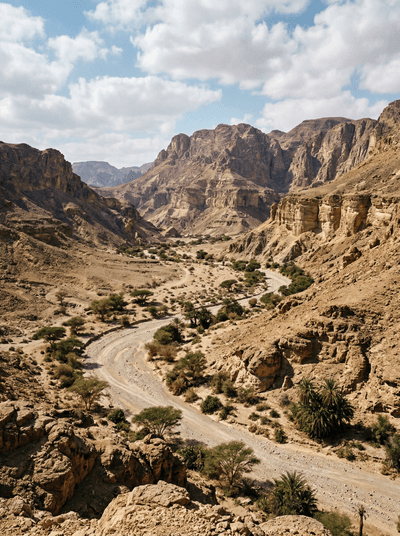
Wadi al-Gemal
Egypt
Red desert wadis spilling into turquoise sea, Ababda nomads herding camels on empty shore.
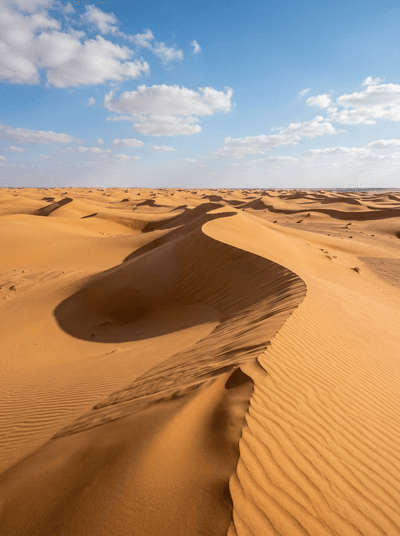
Great Sand Sea
Egypt
Sand ridges higher than buildings stretching to the Libyan border, hiding shards of cosmic glass.
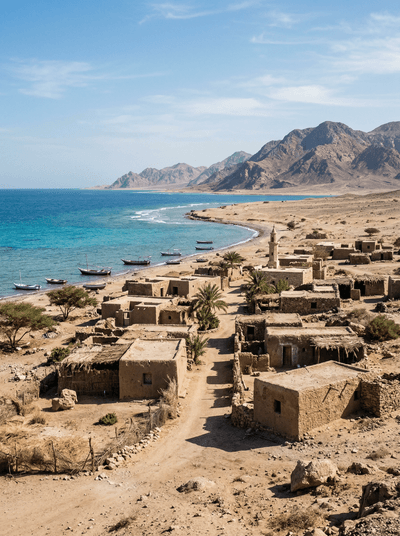
Shalateen
Egypt
A frontier camel market where Bishari traders drive herds across the Sudanese borderlands.
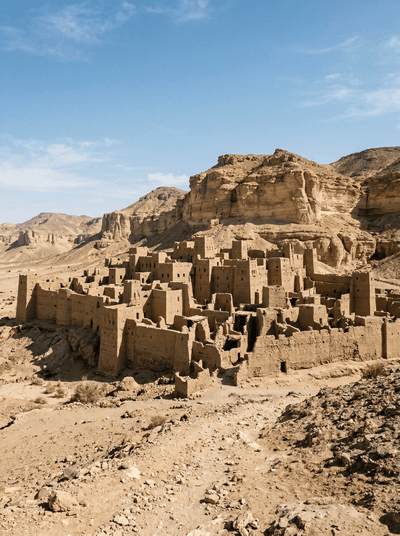
Ain Umm al-Dabadib
Egypt
Roman-era underground aqueducts tunnelling beneath deep desert, supplying a fortress that guarded nothing but sand.