Chile
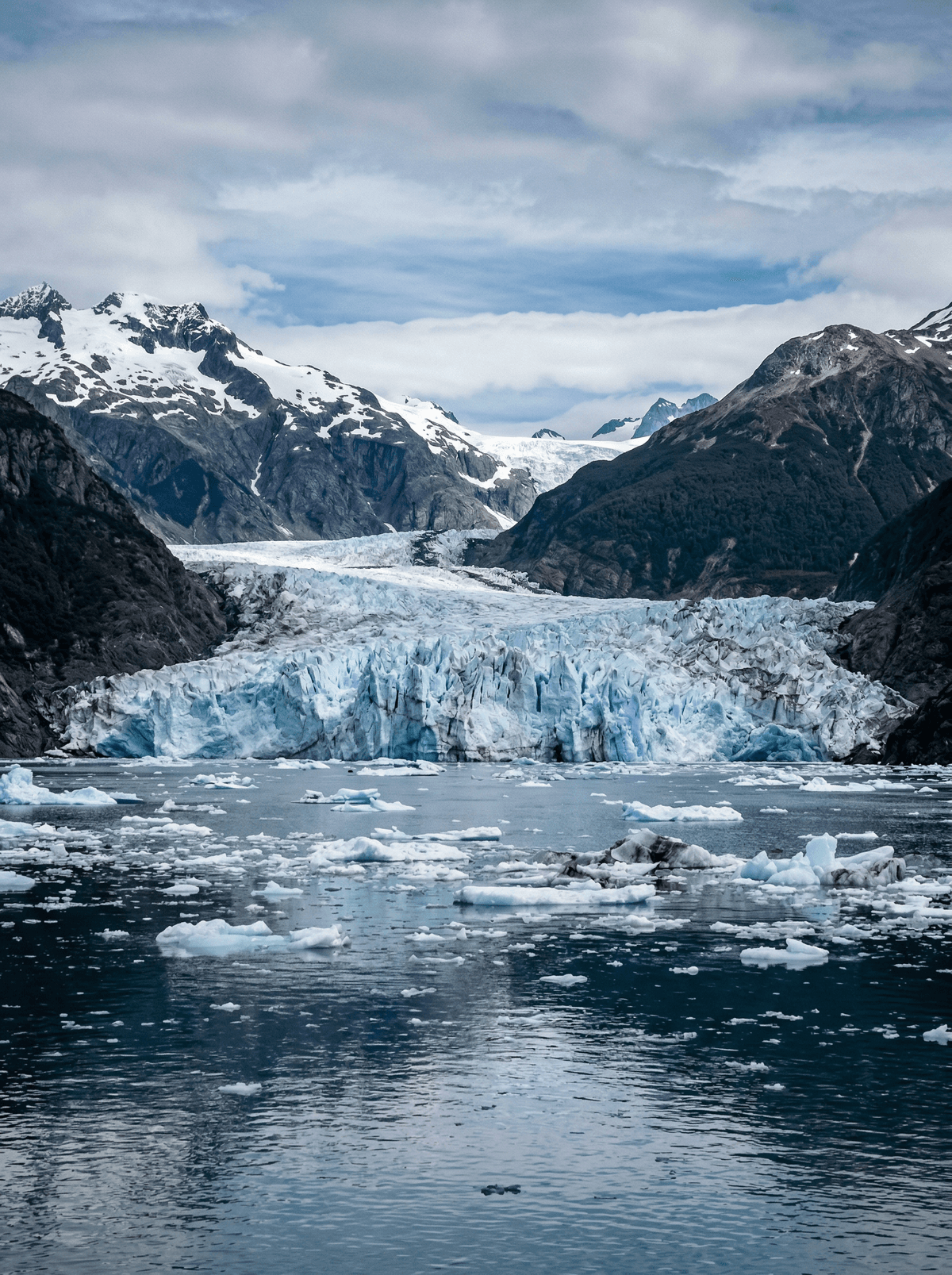
Glaciar Jorge Montt
A long Patagonian navigation approaches a tidewater glacier at the icefield's northern edge.
Hours of river and fjord give way to floating ice beneath a low grey sky. The glacier appears slowly, held at a distance by the day's conditions.
Jorge Montt is a tidewater outlet of the Southern Patagonian Icefield reached on organised boat journeys from the Tortel area. Current departures offer viewing from the water rather than unsupported glacier walks or close manoeuvres. The long approach and flexible route make this an expedition day in its own right.
Solo
An organised navigation removes the impossible independent logistics while preserving a genuine expedition day.
Couple
Travel the hours of river and fjord together, giving weather delay its own space around Tortel.
- Jorge Montt is a tidewater outlet of the Southern Patagonian Icefield reached by organised navigation from the Tortel area.
- Current 2026 departures advertise boat viewing rather than unsupported walks or close iceberg manoeuvres.
- Weather, ice and the long approach make this an expedition day whose exact route remains flexible.
Boats thread the floating ice from Tortel, and crews pour a toast over glacier ice at the wall.
Lunch is not included — the day runs on what Tortel packed for you.
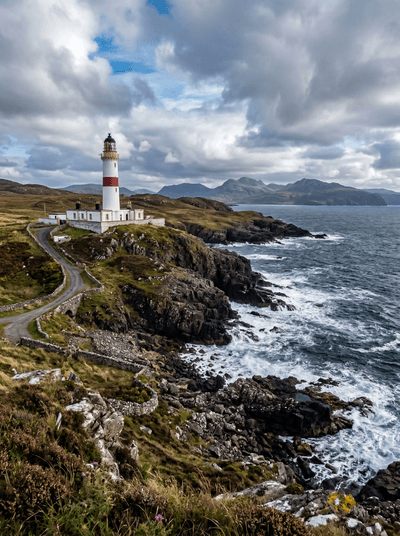
Ardnamurchan Point
Scotland
The last lighthouse before the Atlantic, at the far western tip of a volcano's ghost.
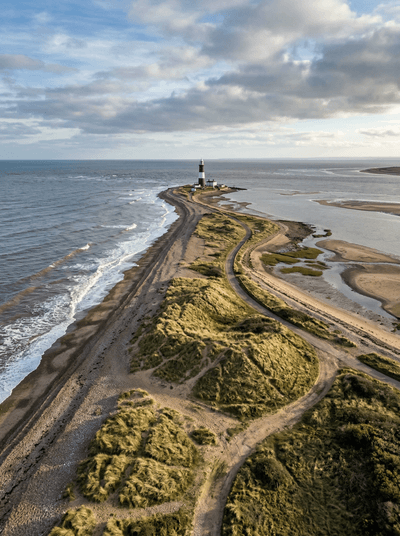
Spurn Point
England
A three-mile sand spit so narrow the sea threatens to snap it in half.
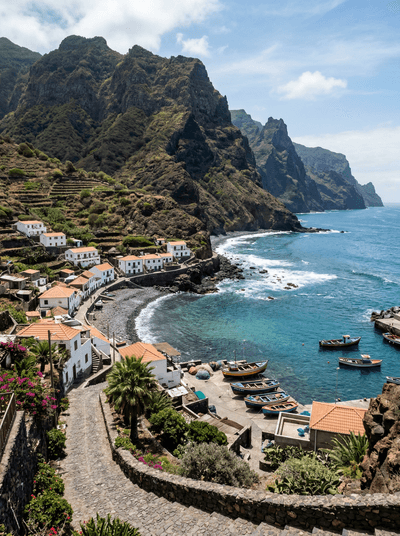
Fajã d'Água
Cape Verde
From this bay sailed Cape Verde's first ship to America; the Matilde never arrived.
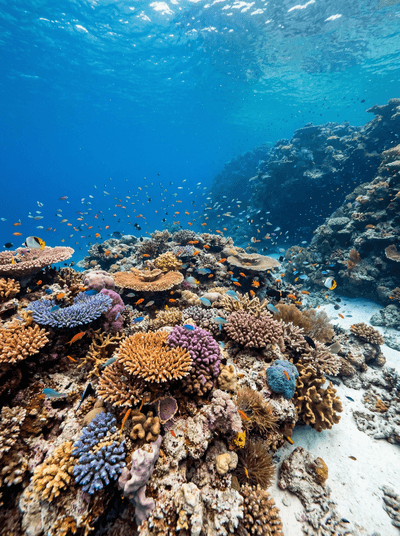
Wakatobi
Indonesia
Most of the world's coral species crowd the reefs beneath Bajo stilt houses.
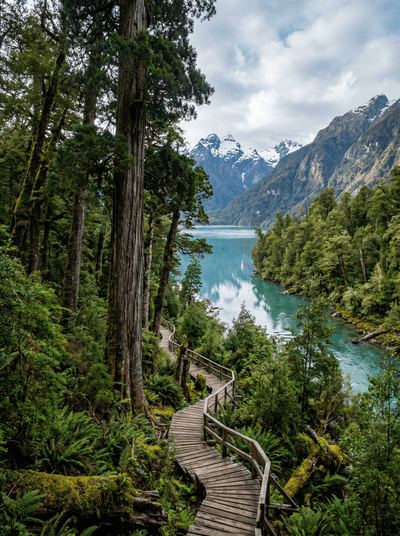
Parque Nacional Alerce Andino
Chile
Rain-dark paths enter old alerce forest within reach of Puerto Montt.
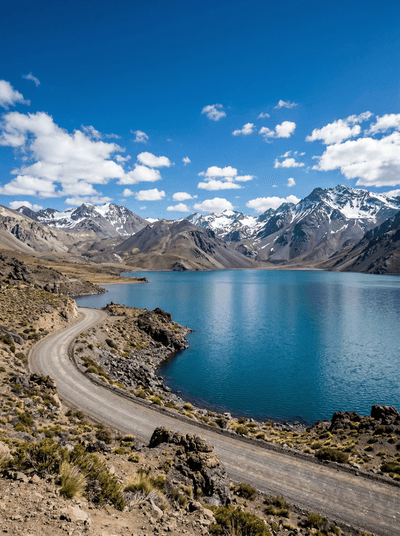
Laguna del Maule
Chile
Cobalt water fills a restless Andean volcanic complex monitored around the clock.
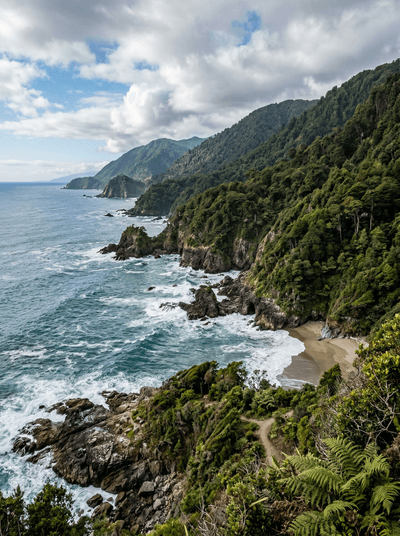
Reserva Costera Valdiviana
Chile
Temperate rainforest reaches thirty-six kilometres of wild Pacific coast near Chaihuín.
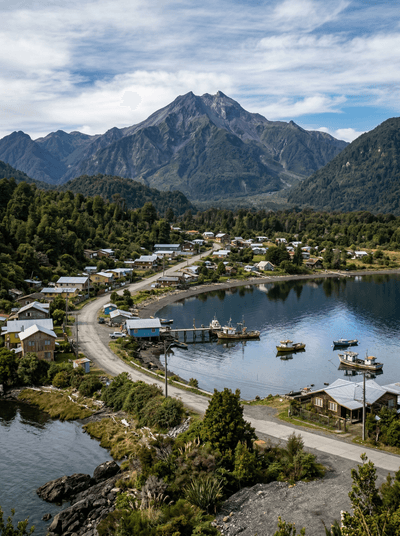
Chaitén
Chile
A rebuilt Patagonian town faces the volcano that buried its old routines in 2008.