
Chile
Parque Nacional Alerce Andino
Rain-dark paths enter old alerce forest within reach of Puerto Montt.
Water runs from moss into narrow streams beneath a high green canopy. The largest trunks appear gradually, their scale disclosed by the smaller forest around them.
Alerce Andino protects Valdivian rainforest, lakes and old stands of its namesake tree. Tickets, sector openings and wet conditions shape the available walks, with boardwalks making the saturated terrain possible to cross. The forest's age is powerful without attaching an unsupported number to one trunk.
Solo
A current ticket and one open sector provide a clear rainforest objective close to Puerto Montt.
Couple
Take the wet forest slowly, letting old alerce trunks emerge through the walk rather than racing to them.
- Alerce Andino protects Valdivian rainforest and old alerce stands close to Puerto Montt.
- Current trail access depends on tickets, sector openings and wet-weather conditions.
- Boardwalks, forest paths and lakes provide the substance without attaching unsupported exact ages to individual trees.
Food stores wait in Correntoso, Lenca and Metri — the park itself sells nothing.
Carry the day's provisions onto the boardwalk trails.
Arabuko-Sokoke Forest
Kenya
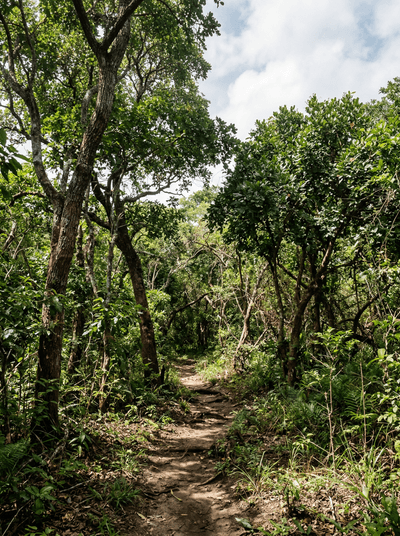
East Africa's largest coastal forest shelters the golden-rumped sengi — and nothing else does.
The Pinnacles
Australia
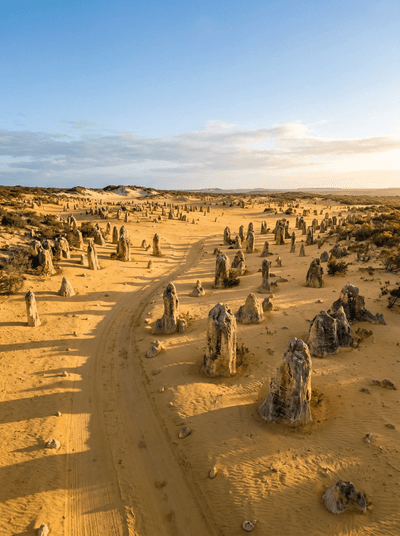
Thousands of limestone pillars cast long shadows across Nambung National Park's yellow sand.
Rannoch Moor
Scotland
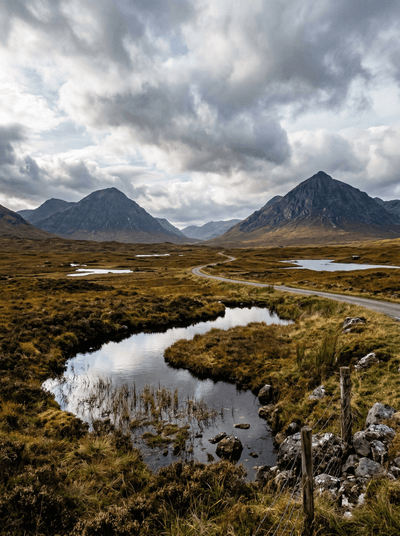
Fifty square miles of nothing — Britain's last emptiness, crossed by one road and one railway.

Wistman's Wood
England
Twisted ancient oaks dripping with moss in a silence so deep it hums.
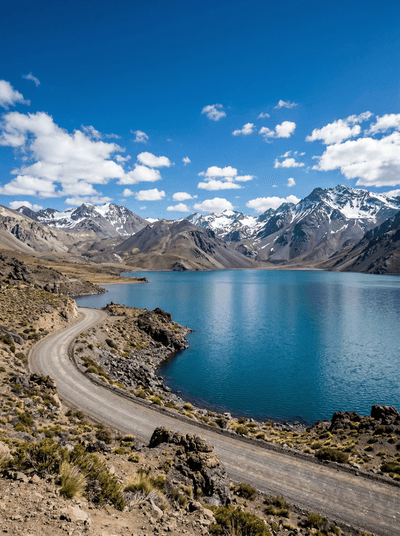
Laguna del Maule
Chile
Cobalt water fills a restless Andean volcanic complex monitored around the clock.
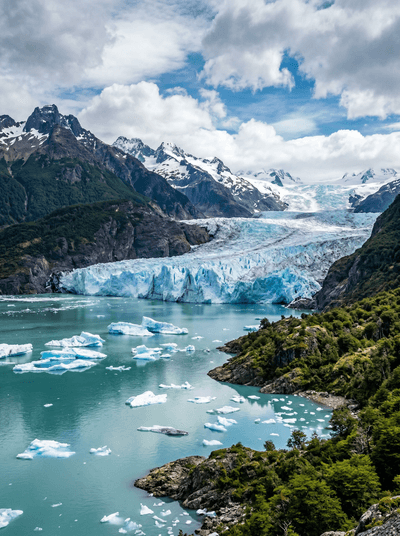
Parque Nacional Bernardo O'Higgins
Chile
Boats enter a roadless maze of fjords, rain and Patagonian ice.
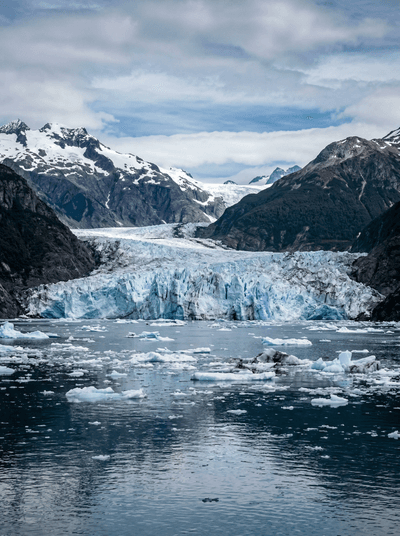
Glaciar Jorge Montt
Chile
A long Patagonian navigation approaches a tidewater glacier at the icefield's northern edge.
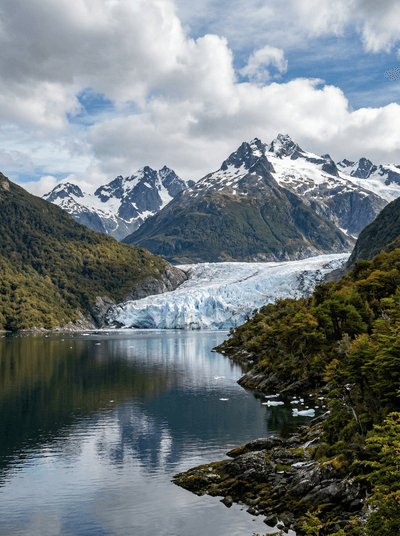
Parque Nacional Alberto de Agostini
Chile
Expedition boats navigate glaciers and black fjords beneath the Cordillera Darwin.