
Wales
Great Orme and Llandudno
Copper tunnels cut 3,500 years ago beneath a headland where Kashmir goats roam above a resort.
Under the limestone headland at the end of Llandudno's promenade on Wales's north coast, Bronze Age miners cut tunnels for copper more than 3,500 years ago, and you can walk through them in a hard hat. Above ground the same headland carries a tramway from 1902, a herd of Kashmir goats and a summit at 207 metres with the whole coast laid out below.
The Great Orme Mines are the reason to come: a self-guided route takes you down two levels through passages worked over 3,500 years ago, past the opencast that is older still and a 145-metre Victorian shaft, and the archaeology carried out here over nearly three decades now suggests the largest prehistoric mine yet found in the world. The headland itself is three kilometres long and two wide, a country park with St Tudno's church, the old lighthouse and the goats, and the cable-hauled tramway, the only public road tramway of its type in the UK, climbs over a mile from Church Walks to the summit. Below it Llandudno keeps its Victorian shape: Wales's longest pier, two beaches on opposite shores, and the Alice trail through the town. The resort's food is better than the postcard suggests, from Forte's ice cream parlour of 1926 to Dylan's and The Goat on the seafront. It earns the reveal as a proper resort with something astonishing underneath it.
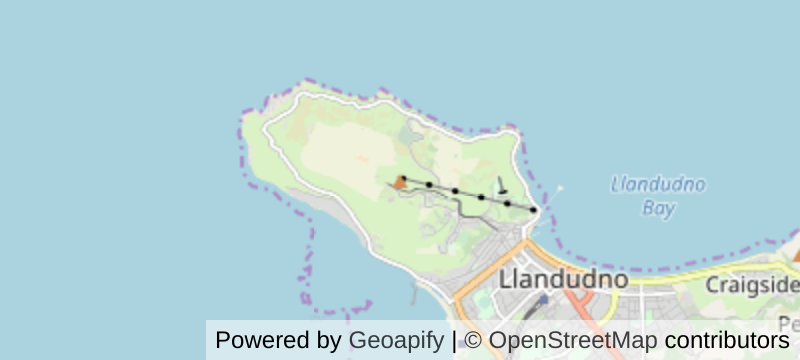
Map data © OpenStreetMap contributors · Powered by Geoapify
Solo
Mines first thing, then walk the headland's full circuit past the church and lighthouse and ride the tram back down.
Couple
The tram up, the goats and the summit, an ice cream at Forte's, and the pier beyond the promenade for the sunset.
Family
Hard hats in the tunnels, goats on the hillside, the tram, two beaches and the longest pier in Wales, all in one day without a car.
Friends
A seaside weekend with a Bronze Age mine in it; Conwy's walls are one stop down the line for the second day.
- Beneath the headland a self-guided tour follows tunnels mined more than 3,500 years ago, past an opencast worked over 4,000 years ago and a 145-metre Victorian shaft.
- Research on the site now points to the largest prehistoric mine so far discovered anywhere in the world.
- The Great Orme is three kilometres long, rises to 207 metres and carries a herd of Kashmir goats among its country park, church and old lighthouse.
- A cable-hauled tramway, the only public road tramway of its kind in the UK, has climbed from the town to the summit since 1902.
Ice cream at Forte's, the Italian-Welsh parlour Onario Forte opened in Llandudno in 1926 and a time capsule of the resort's heyday.
Supper at Dylan's on East Parade, an award-winning restaurant built on North Wales produce, or Welsh flavours at The Goat on the seafront.
Abaiang
Kiribati
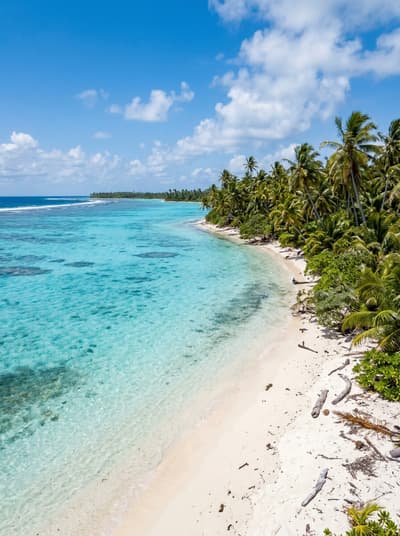
At high tide the sea surrounds Tebunginako's church; the village choir times services around it.
Abbotsbury
England
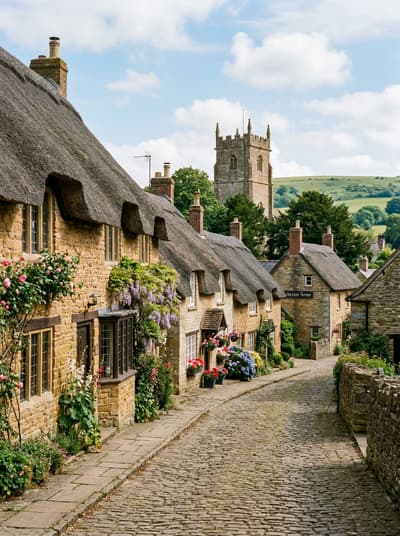
A swannery where six hundred mute swans nest in reed beds behind the Chesil Bank.
Abel Tasman National Park
New Zealand
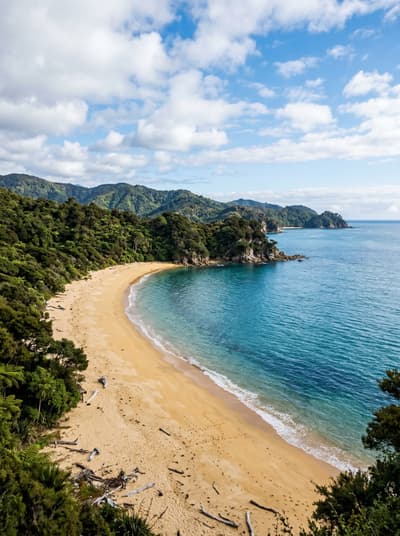
Golden bays between forested headlands, reached only on foot, by kayak or water taxi.
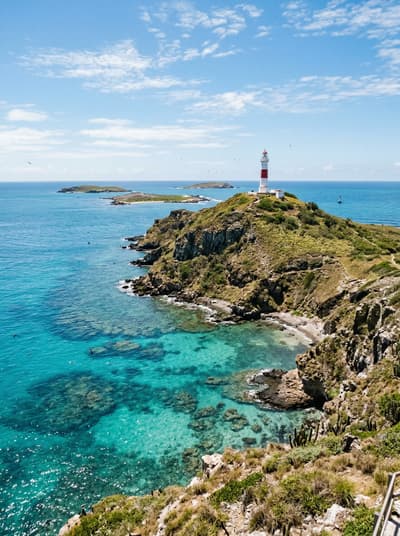
Abrolhos Archipelago
Brazil
Humpback mothers calve above coral mushrooms thirty metres tall that grow nowhere else.
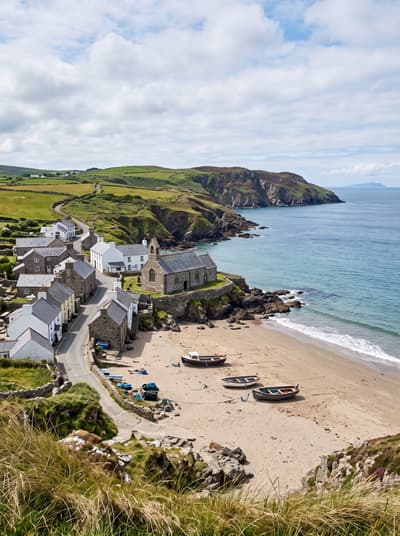
Aberdaron
Wales
A church on the sand where pilgrims ate their last meal before the island crossing.
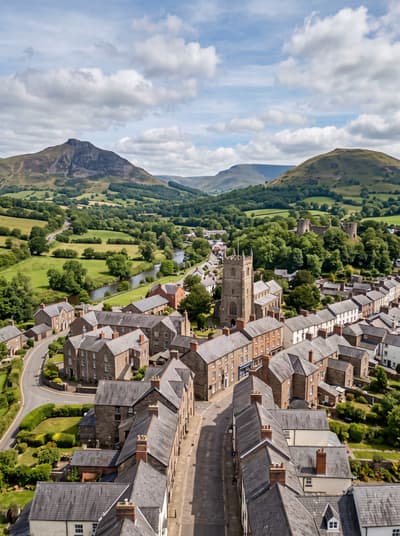
Abergavenny
Wales
A market town under three mountains that fills with food producers one weekend each September.
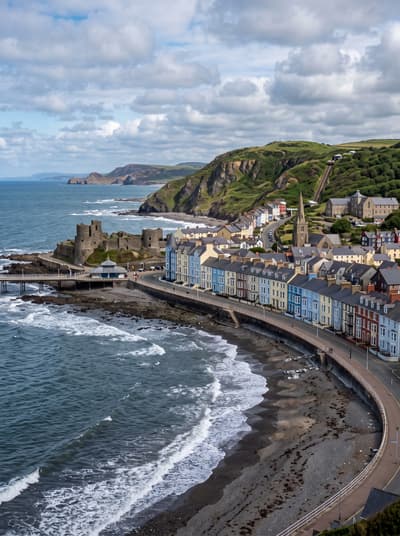
Aberystwyth
Wales
Starlings swirl under the pier at dusk, a cliff railway climbs, the national library watches.
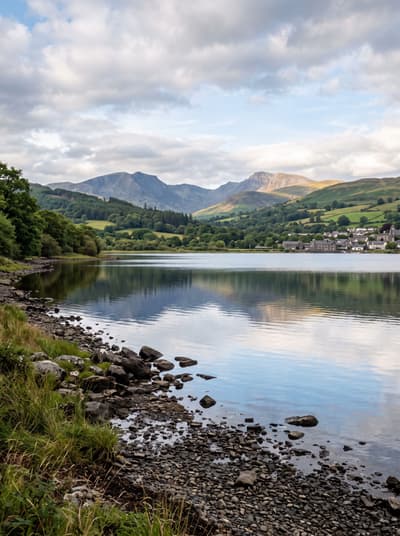
Bala and Llyn Tegid
Wales
Wales's largest lake, an ice-age fish found nowhere else, and a drowned village upstream.