Wales
Harlech
A castle on a crag waiting for a sea that walked away centuries ago.
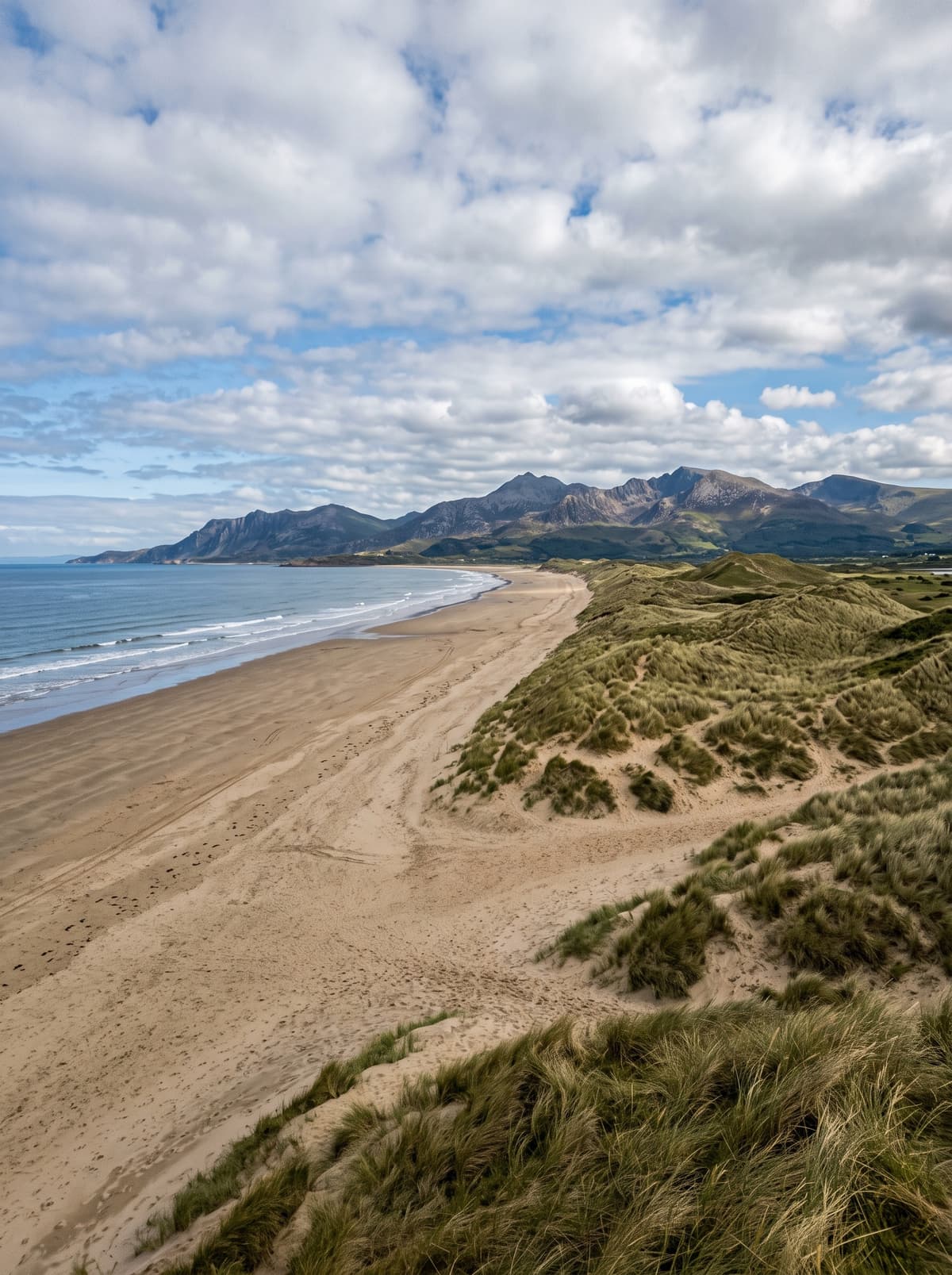
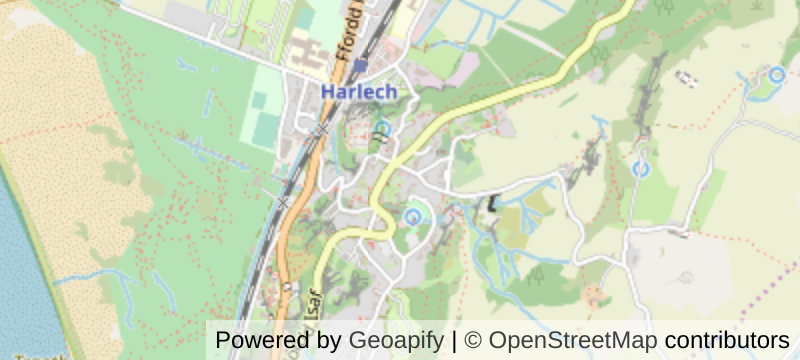
The castle is still waiting for the tide. Harlech, on the coast of Gwynedd in North Wales, was built by Edward I on a crag with the sea at its foot, and the sea has since walked away across dunes and golf links, leaving the walls staring at sand with the mountains of Eryri at their back. Of the four castles he raised in the north, this is the one with the setting, and the town climbs the rock behind it by a lane so steep it held a world record.
Master James of St George built Harlech from ground to battlements in seven years in the 1280s, walls within walls on natural defences, and when Madog ap Llywelyn's rebellion cut it off the garrison was fed by sea up the Way from the Sea, a stair of 108 steps hacked into the rock face that you can still see. Owain Glyndŵr took the castle in 1404 and made it, with Machynlleth, the seat of his independent Wales, summoning a parliament and perhaps holding his coronation here; in the Wars of the Roses it endured a siege by seven thousand men before falling, and its defenders became the Men of Harlech of the song, which Zulu's garrison sang at Rorke's Drift. A footbridge now carries you into the castle as its architect intended, and with Conwy, Caernarfon and Beaumaris it holds World Heritage status. Ffordd Pen Llech, the lane that corkscrews down from the town under the walls, was certified the steepest street in the world in 2019 and lost the title the next year when Guinness ruled that gradients be measured along the centre line; it is still 28.6 per cent. The beach below is vast, backed by dunes that are a National Nature Reserve, with strong currents that the RNLI signs are frank about.
Family
The castle's towers and wall-walks, the crazy lane to run down and walk up, and a huge sandy beach at the bottom, with the dunes to explore and the Ffestiniog Railway a few miles away.
Couple
Tea in the shop opposite the castle, an evening walk on a beach that never seems to end, and the light going down behind the Llŷn across the bay.
Solo
Climb the Way from the Sea and read Glyndŵr's story on the walls, then take the coast path beside the dunes; the whole town is a lesson in what the sea gives a fortress and then takes back.
- Edward I's castle crowns a sheer crag with the sea it was built beside now far off across the dunes, and the peaks of Eryri behind it.
- Owain Glyndŵr took it in 1404, held his court and a parliament here, and may have been crowned Prince of Wales within its walls.
- Ffordd Pen Llech, the lane that winds down beneath the castle, held the Guinness record as the world's steepest street from 2019 until a review handed it back to Dunedin in 2020.
- Below the town, the dunes are a National Nature Reserve and the beach runs for miles beside one of Britain's finest links courses.
Bread baked on the premises and afternoon tea at Cemlyn Tea Shop on the High Street, with the castle filling one window and the sea and mountains the other.
Coffee by day and tapas by night at Llew Glas, the café-bar on the High Street built on local Welsh produce.
Suva
Fiji
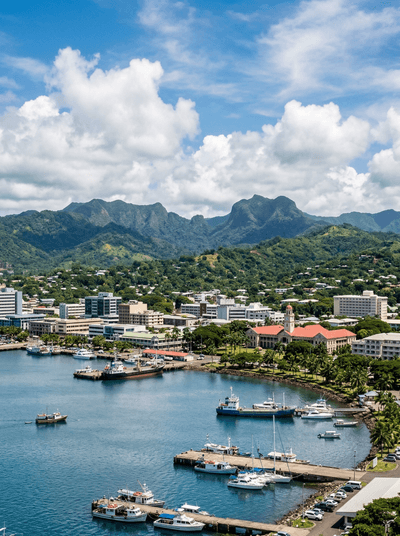
South Pacific hustle where Hindu temples share streets with Fijian markets and colonial verandahs.
Levuka
Fiji
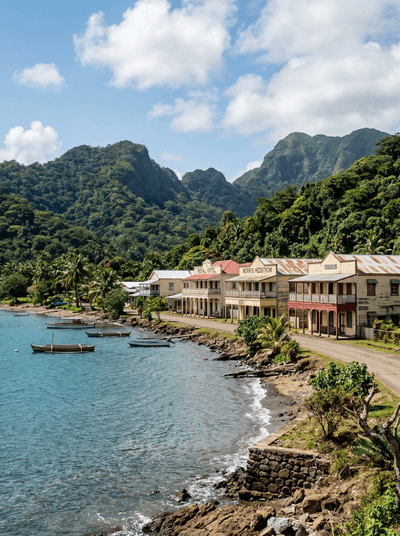
Fiji's first colonial capital frozen in the 1870s, wooden shopfronts sagging under tropical rain.
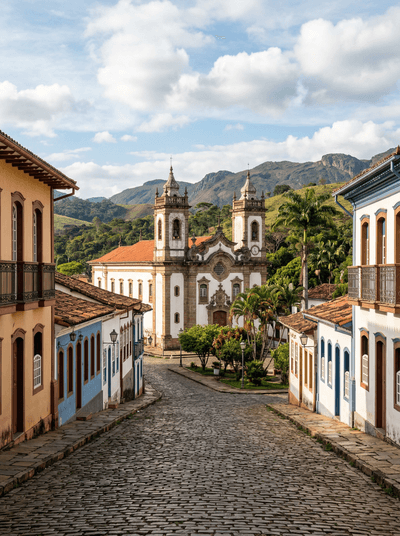
São João del-Rei
Brazil
Baroque towers answering each other across a valley, ringing the sex of whoever has just died.
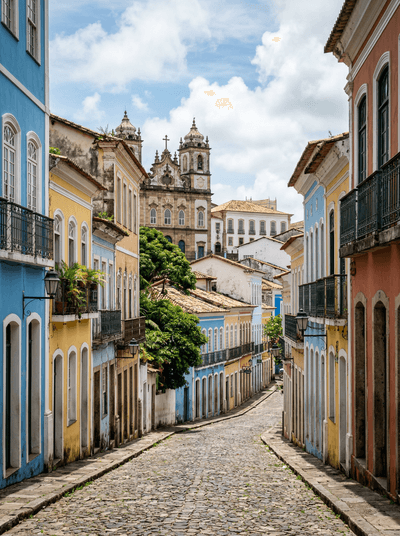
Salvador
Brazil
Drum rhythms ricocheting off colonial walls where song, dance and combat happen at once.
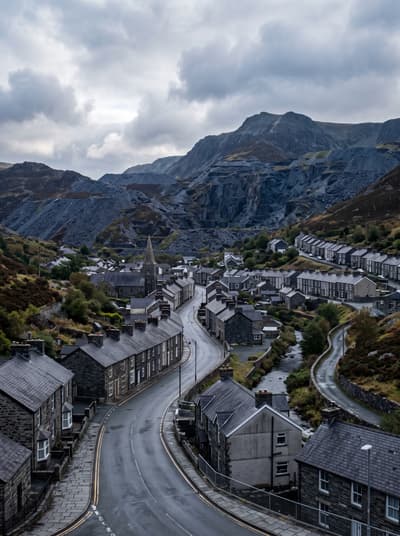
Blaenau Ffestiniog
Wales
The town that roofed the world, where you bounce on trampolines slung inside a slate cavern.
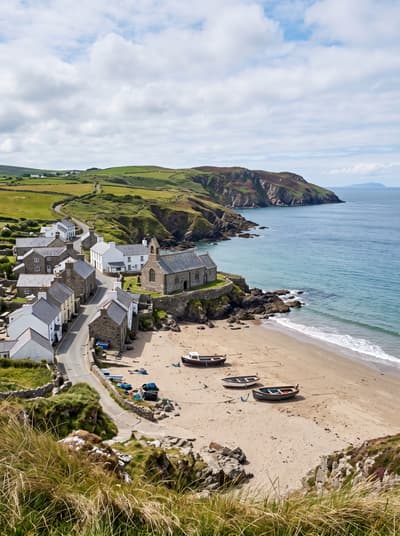
Aberdaron
Wales
A church on the sand where pilgrims ate their last meal before the island crossing.
Beddgelert
Wales
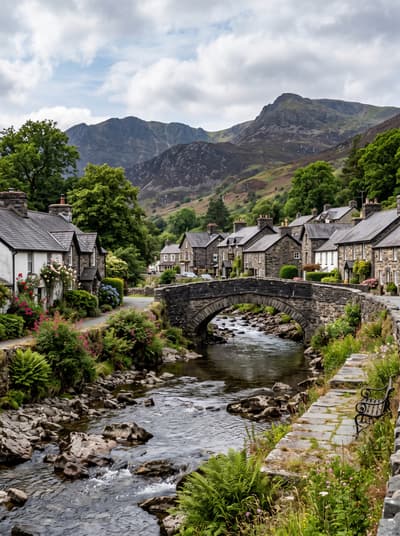
A stone village at the meeting of two rivers, named for a legendary dog's grave.
Bala and Llyn Tegid
Wales
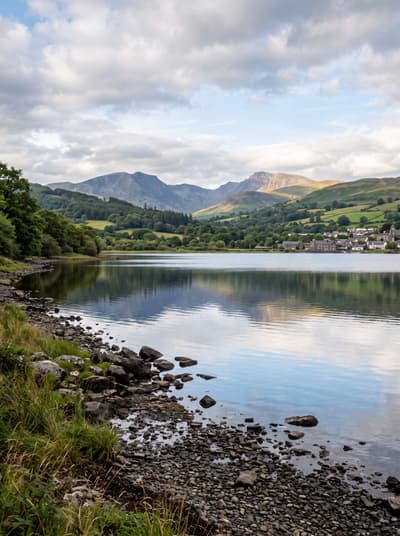
Wales's largest lake, an ice-age fish found nowhere else, and a drowned village upstream.