Wales
Holywell
A spring where pilgrims have bathed for thirteen centuries, under a vaulted chapel.
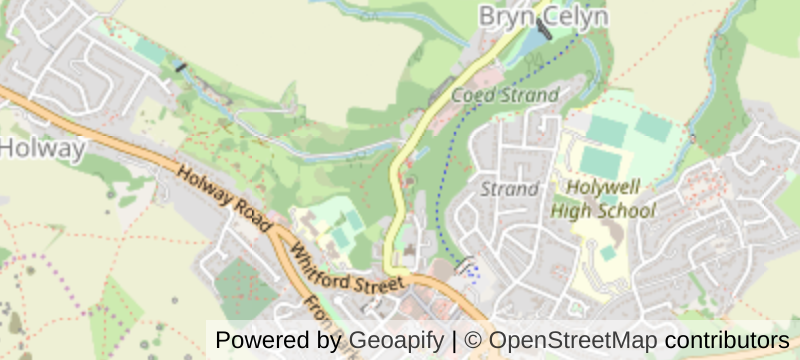
People have come to bathe in this spring, without a break, for more than thirteen hundred years. St Winefride's Well at Holywell, in north-east Wales, is the one site in Britain whose public pilgrimage has run unbroken that long, and the water still rises into its star-shaped stone basin beneath a vaulted ceiling before spilling into the outdoor pool.
The story is a seventh-century one: around the year 630 a chieftain called Caradoc pursued Winefride, struck off her head, and where it fell a spring broke from the ground; her uncle, the abbot Beuno, restored her to life, and Caradoc sank into the earth. Cadw notes the tale may carry far older, pagan roots, which is the honest way to hold it. What is not in doubt is the building: a chapel of elaborate stone over the basin, a Grade I listed building and scheduled monument, and a pool below where bathing is still permitted at advertised times. From the well, Greenfield Valley drops towards the Dee estuary through seventy acres of industrial history, three lakes that once powered copper works and cotton mills, and the ruins of Basingwerk Abbey at the bottom. Holywell is a small town, and the visit is a quiet one; it belongs on the list because almost nowhere else in Britain lets you step into a rite that has simply never stopped.
Solo
Arrive when the well opens, sit by the basin, then walk the valley down to the abbey and back.
Couple
The chapel and pool in the morning, lunch at the Mill on the Hill, and the mill lakes of Greenfield Valley in the afternoon.
Family
A legend with a beheading in it, a pool people still bathe in, and a heritage park with a farm and lakes at the bottom of the hill.
- St Winefride's Well is the only place in Britain with a continuous history of public pilgrimage for more than thirteen centuries.
- The spring rises into a star-shaped basin under an elaborately vaulted ceiling, then flows into an outdoor pool where pilgrims still bathe at set times.
- The legend says the spring rose where the seventh-century abbot Beuno restored his niece Winefride to life after the chieftain Caradoc struck off her head, around the year 630.
- The well and chapel are a Grade I listed building and a scheduled monument, and below them Greenfield Valley runs down past mill lakes to the ruins of Basingwerk Abbey.
Lunch at the Mill on the Hill, the café a few minutes' walk from the well, before the walk down the valley to the abbey.
Tea and cake at the Green Pea Café near Greenfield Valley, where the lakes that once drove copper works and cotton mills now hold ducks.

Suva
Fiji
South Pacific hustle where Hindu temples share streets with Fijian markets and colonial verandahs.
Levuka
Fiji
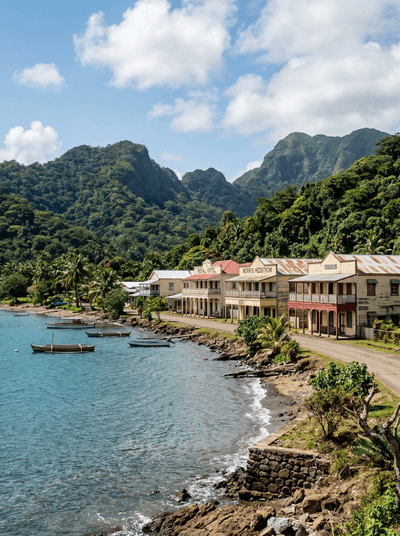
Fiji's first colonial capital frozen in the 1870s, wooden shopfronts sagging under tropical rain.

São João del-Rei
Brazil
Baroque towers answering each other across a valley, ringing the sex of whoever has just died.

Salvador
Brazil
Drum rhythms ricocheting off colonial walls where song, dance and combat happen at once.
Blaenau Ffestiniog
Wales
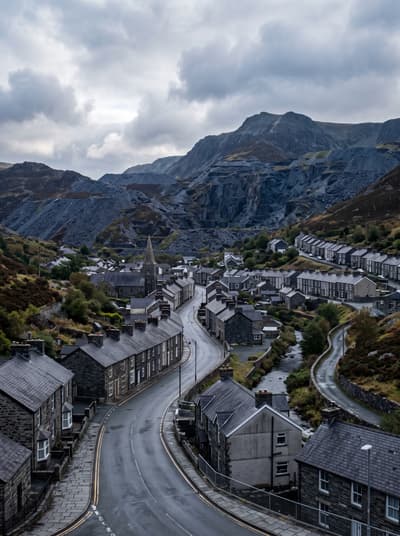
The town that roofed the world, where you bounce on trampolines slung inside a slate cavern.
Harlech
Wales
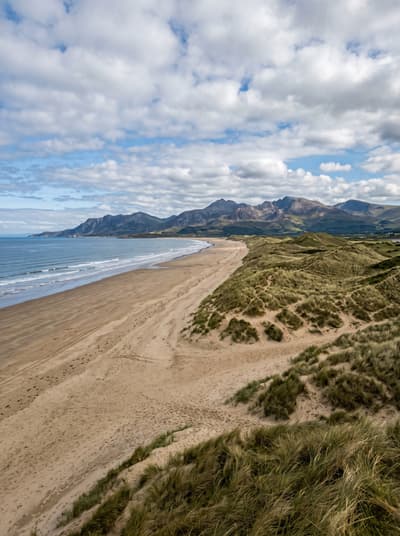
A castle on a crag waiting for a sea that walked away centuries ago.
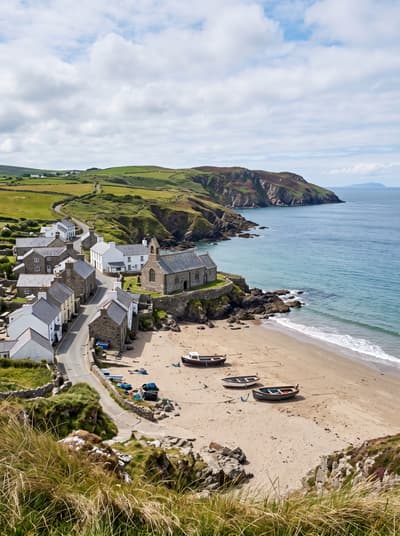
Aberdaron
Wales
A church on the sand where pilgrims ate their last meal before the island crossing.
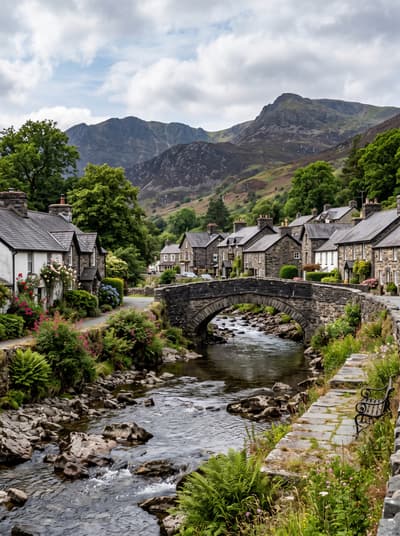
Beddgelert
Wales
A stone village at the meeting of two rivers, named for a legendary dog's grave.