Argentina
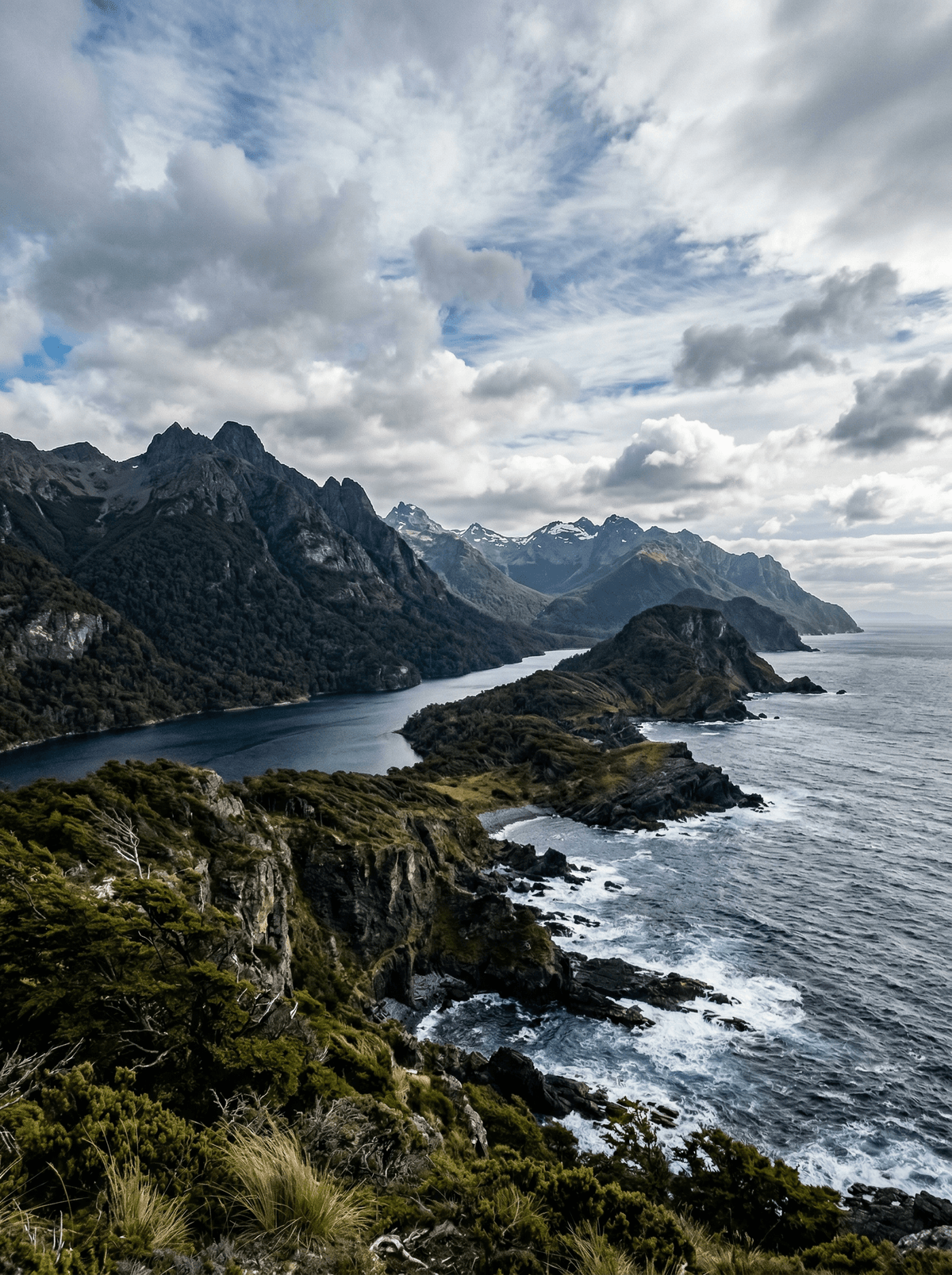
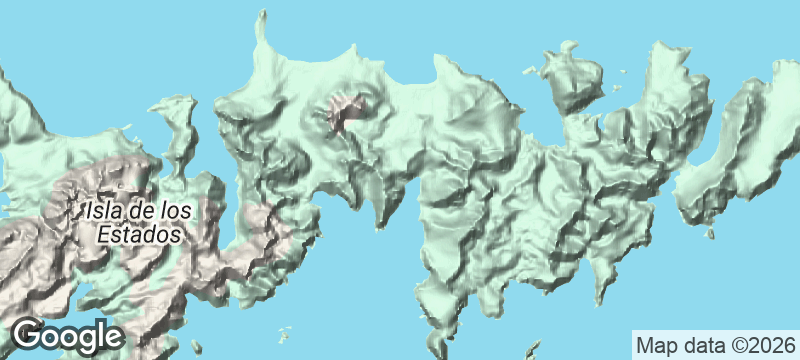
Isla de los Estados
Jules Verne set a novel on this shipwreck-littered island almost no one may visit.
Isla de los Estados lies beyond the eastern tip of Tierra del Fuego, across the Le Maire Strait — among the most dangerous waters of the southern hemisphere — with no permanent population, no ferry, and no public landing service of any kind. Jules Verne set The Lighthouse at the End of the World here without ever seeing it, and described the coastline so well that the lighthouse he imagined was later built where he placed it.
The island runs 73 kilometres of drowned coastline, storm forest and seabird colonies — rockhopper penguins, albatrosses and fur seals breeding on beaches without a single structure — protected as a natural reserve whose maritime history is written in a hundred-plus documented wrecks driven ashore by the strait's converging weather. Access is the destination's defining fact: there is no ordinary visitor route, and landfall comes only by authorised expedition vessel under the reserve's permissions, a long, weather-ruled crossing from Ushuaia with accommodation limited to the vessel or expedition camps. Most travellers meet the island the way sailors always have — from the sea, in naval records, and in Verne's pages — and the handful who land in any year do so as guests of one of Earth's least-visited protected coasts.
Solo
The destination at the absolute limit of Argentine accessibility — beyond Ushuaia, across the strait, onto an island that exists in Verne's imagination and two centuries of maritime insurance records. An authorised expedition here needs no other qualification.
- Verne's lighthouse novel described the island from naval reports — the light was later real.
- No public landing service exists; entry is by authorised expedition under reserve permissions.
- Over a hundred documented wrecks lie on shores battered by the Le Maire Strait.
- Rockhoppers, albatrosses and fur seals breed on beaches with no infrastructure at all.
Centolla hauled from sub-Antarctic water and grilled on deck — the expedition's one luxury.
Mejillones and merluza negra cooked simply with lemon aboard the vessel.
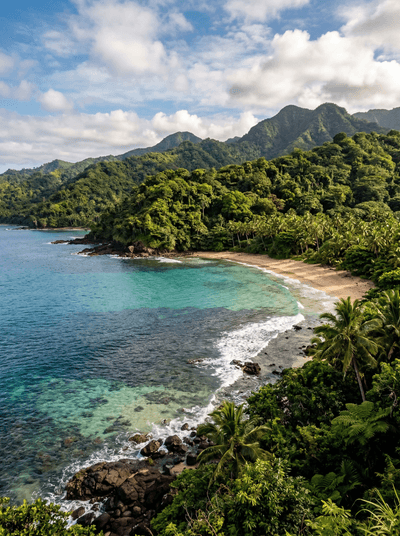
Taveuni
Fiji
Stand astride the 180th meridian in rainforest, one foot in today, one in yesterday.
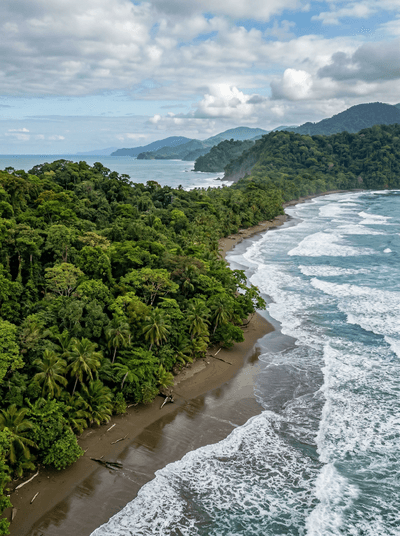
Corcovado National Park
Costa Rica
National Geographic called it the most biologically intense place on Earth. They undersold it.
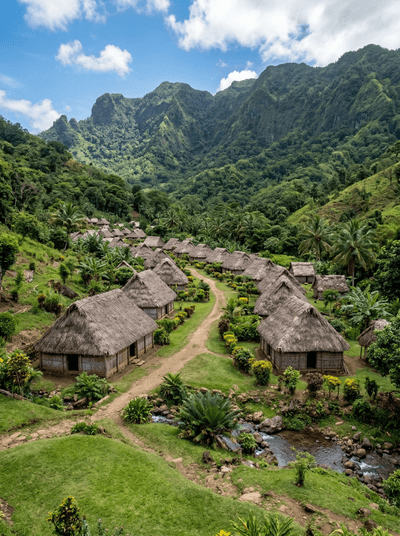
Navala Village
Fiji
Two hundred thatched bures, all built the same size, climb a valley above the Ba River.
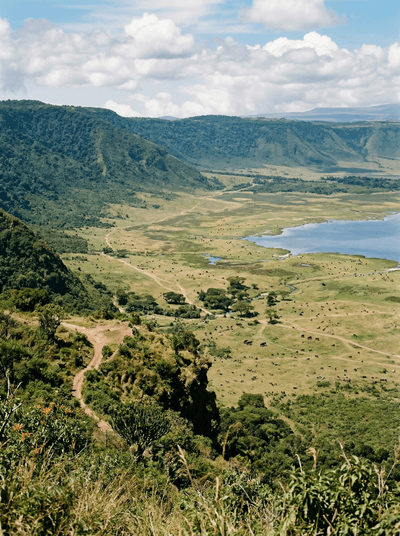
Ngorongoro Crater
Tanzania
A collapsed volcano holds its own weather, its own herds, and Maasai cattle besides.
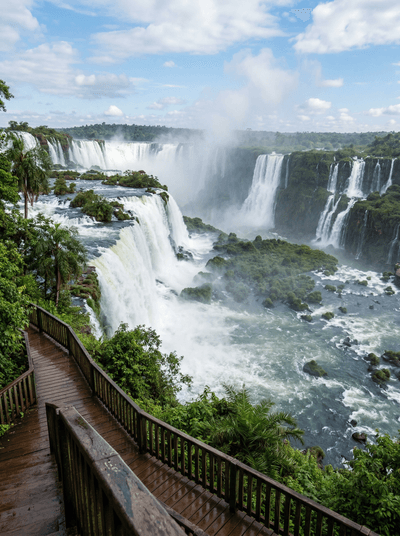
Iguazú Falls
Argentina
A river shatters into hundreds of waterfalls around the thunder of the Devil's Throat.
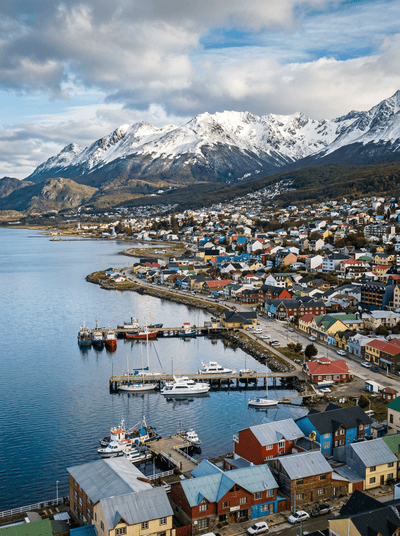
Ushuaia
Argentina
The port where Antarctica begins — beech forest climbing to glaciers at the planet's edge.
El Calafate
Argentina
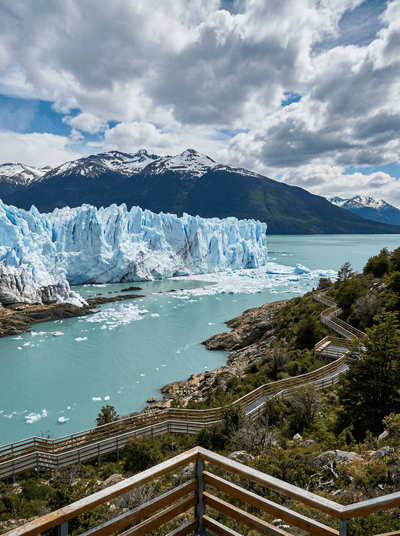
A glacier calves office-block towers of ice into turquoise water as you watch.
El Chaltén
Argentina
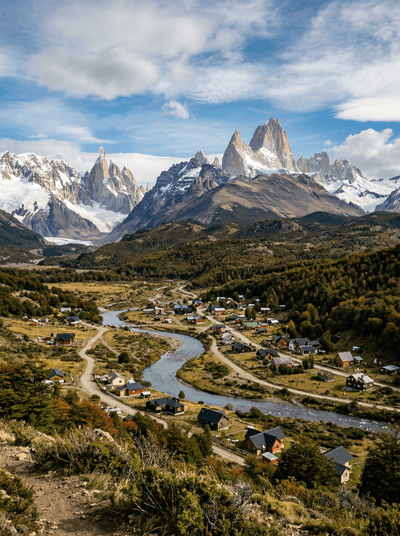
Granite spires pierce Patagonian cloud — condor country of vertical stone and wind.