Brazil
Itacaré
The forest is still standing here because the cacao needed its shade.
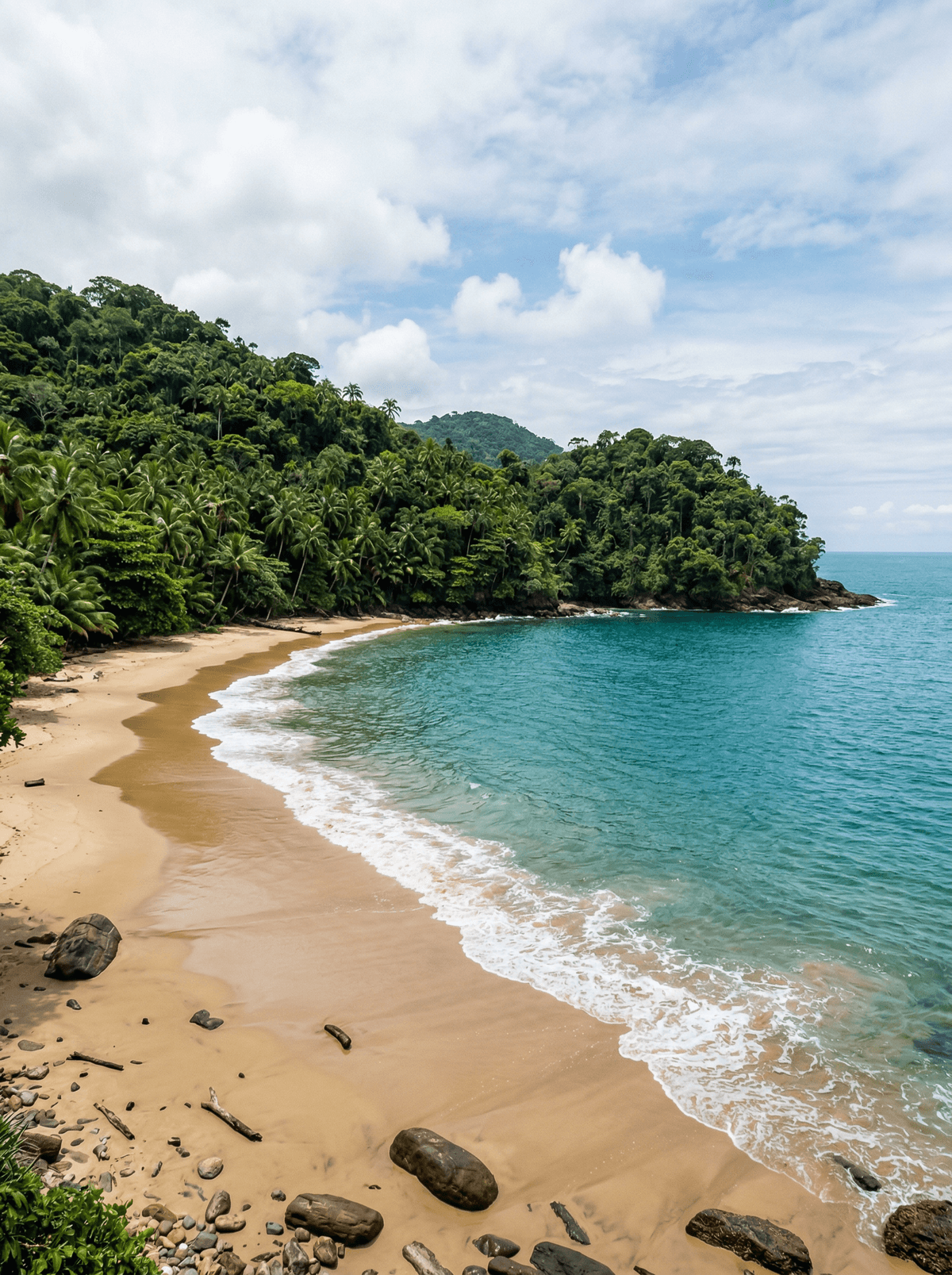
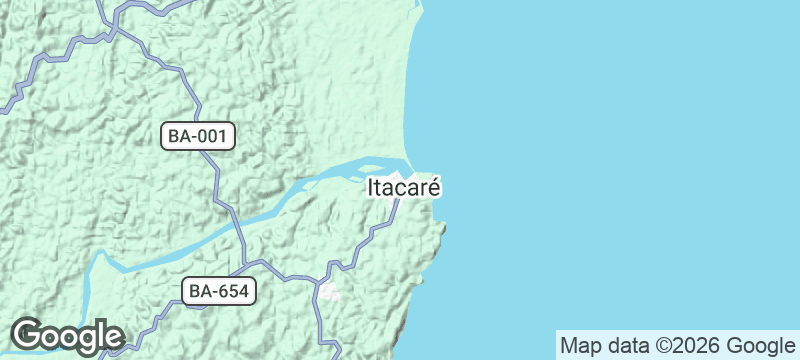
Itacaré sits where the Atlantic Forest reaches the water, and the municipality explains why: a geological formation unique in the Brazilian Northeast, a coastal strip of fertile soil and rock cliffs that lets the trees come all the way down. Behind them the Serra do Conduru park counts about 458 tree species per hectare, one of the highest figures recorded anywhere. The name is Old Tupi, ita and iakare, stone caiman.
The forest here survived because of what was planted under it. Cacao here is grown cabruca, under the shade of the standing Atlantic Forest, and the municipality's own account is blunt about the consequence: sugar or coffee would have needed the canopy cleared, and cacao did not. The town grew rich on it between 1890 and 1940, then the harbour silted up, the roads were bad, and Itacaré spent most of the twentieth century cut off, until the Estrada Parque da Serra between Ilhéus and Itacaré opened in 1998, which the municipality calls the first genuinely ecological road built in Brazil. Southern Bahian cacao once accounted for ninety per cent of everything Brazil produced; it collapsed at the close of the 1980s and came back as fine cacao, and in 2018 INPI registered Sul da Bahia as a protected origin for cacao beans, Itacaré among its municipalities. What tourism found when the road opened was a coast of beaches with thirty river headwaters behind it, and the town now takes over nine tenths of its income from that.
Solo
The park's own list of activities is mountaineering, trekking, mountain biking and ecotourism, and the trails behind the beaches are where the 458-species figure actually means something. Tiririca is the surf beach, five times a World Surf League stage.
Couple
The cacao is this place's other half, and it is still a working origin: a federally registered protected area for the bean, with a modern reputation built on fine cacao and international prizes. The forest you walk through and the crop that saved it are the same landscape.
Friends
Watch the road, not the calendar. The BA-001 to Ilhéus is the town's only real link, and heavy rain has put trees across it and flooded the streets, as it did on 22 December 2025, with Itacaré facing up to fifty millimetres a day.
- The Parque Estadual da Serra do Conduru holds about 458 tree species per hectare across 9,275 hectares of Itacaré, Ilhéus and Uruçuca, one of the highest counts anywhere, with high endemism.
- The same park shelters the headwaters of thirty rivers and streams, and mountaineering, trekking, mountain biking and ecotourism are its sanctioned activities.
- Ecotourism is more than ninety per cent of this municipality's economic output, worked as ecotourism, sun and beach, adventure and sport.
- Praia da Tiririca has hosted the Brazilian stage of the World Surf League five times, in 2013, 2015 and each year from 2017 to 2019.
Fazenda Vila Rosa at Taboquinhas walks you from the cabruca to the fermentation boxes and the bar at the end of it, with tasting points along the way and a restaurant open to anyone.
The Maxixada Terra e Mar at the Mirantes Marina was judged the best Bahian moqueca of 2024: rounds of maxixe going soft as a sponge in the broth, shredded carne seca, camarão pistola, coconut milk and dendê, and a caipira egg cracked over the top of it.
South West Rocks
Australia
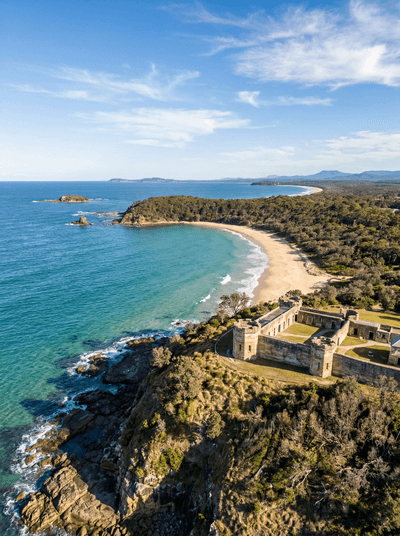
Grey nurse sharks circle through underwater caves beneath a convict-built granite gaol on the headland.
Kadavu
Fiji
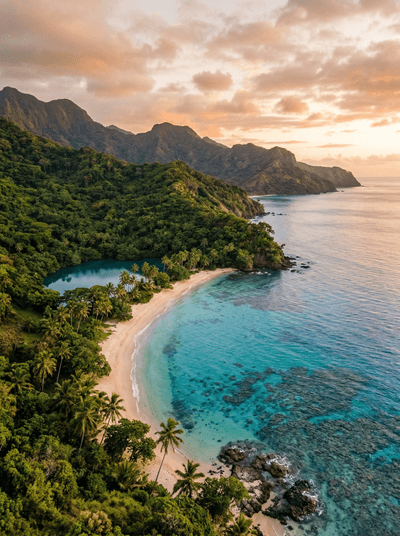
Manta rays circle the world's fourth-largest barrier reef, off villages the road barely reaches.
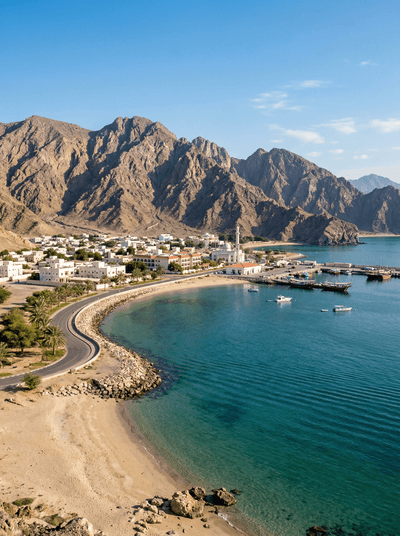
Dibba
United Arab Emirates
One bay, two countries, three jurisdictions: fishing dhows work the borders beneath Hajar cliffs.
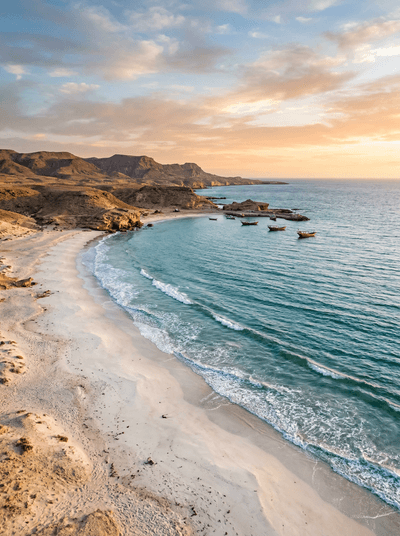
Masirah Island
Oman
Loggerhead turtles come ashore here in one of the largest nesting populations on Earth.
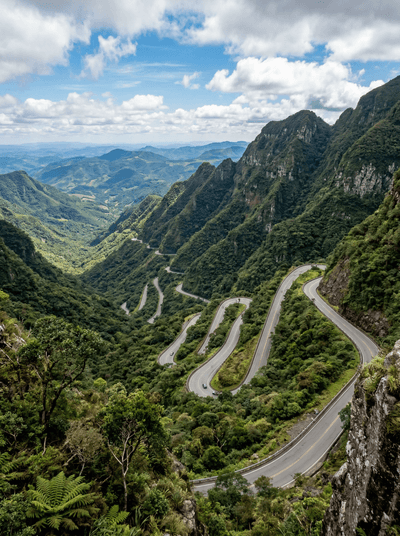
Serra do Rio do Rastro
Brazil
Hairpins carved into a sheer cliff face, climbing out of the lowlands and into cloud.
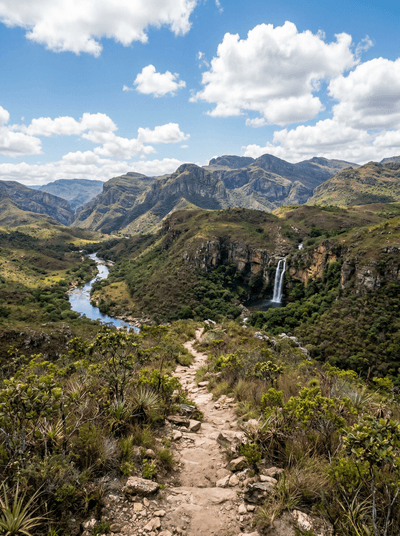
Serra do Cipó
Brazil
Stone meadows of flowers that hold their shape long after they dry, along a quartzite spine.
Itaúnas
Brazil
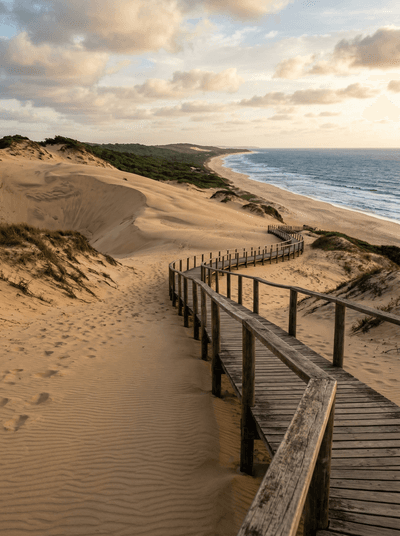
Sand dunes that swallowed an entire village, now a forró-dancing outpost on a wild coast.
Lençóis Maranhenses
Brazil
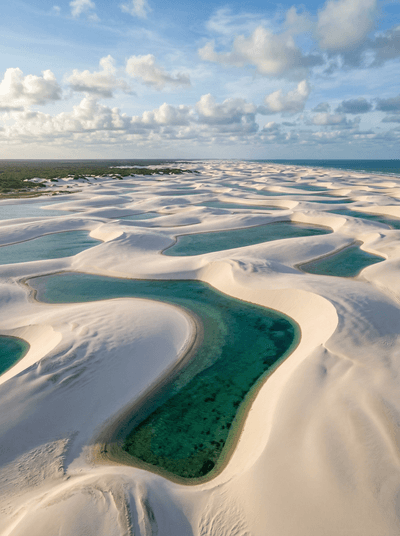
Thousands of rain-filled lagoons between white dunes stretching to the horizon like another planet.