Saudi Arabia
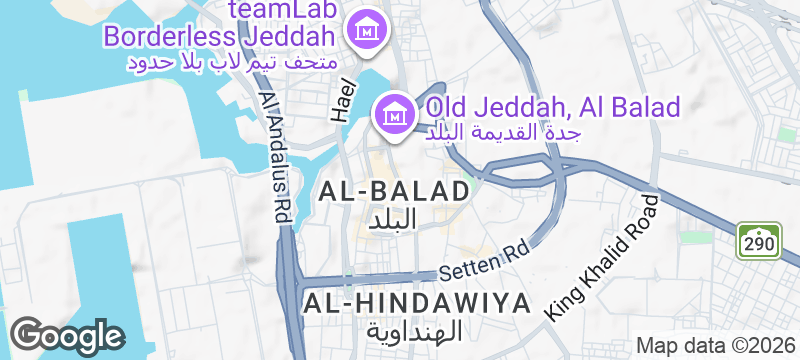
Jeddah Al-Balad
Coral-stone towers with carved wooden balconies leaning over spice-scented alleys.
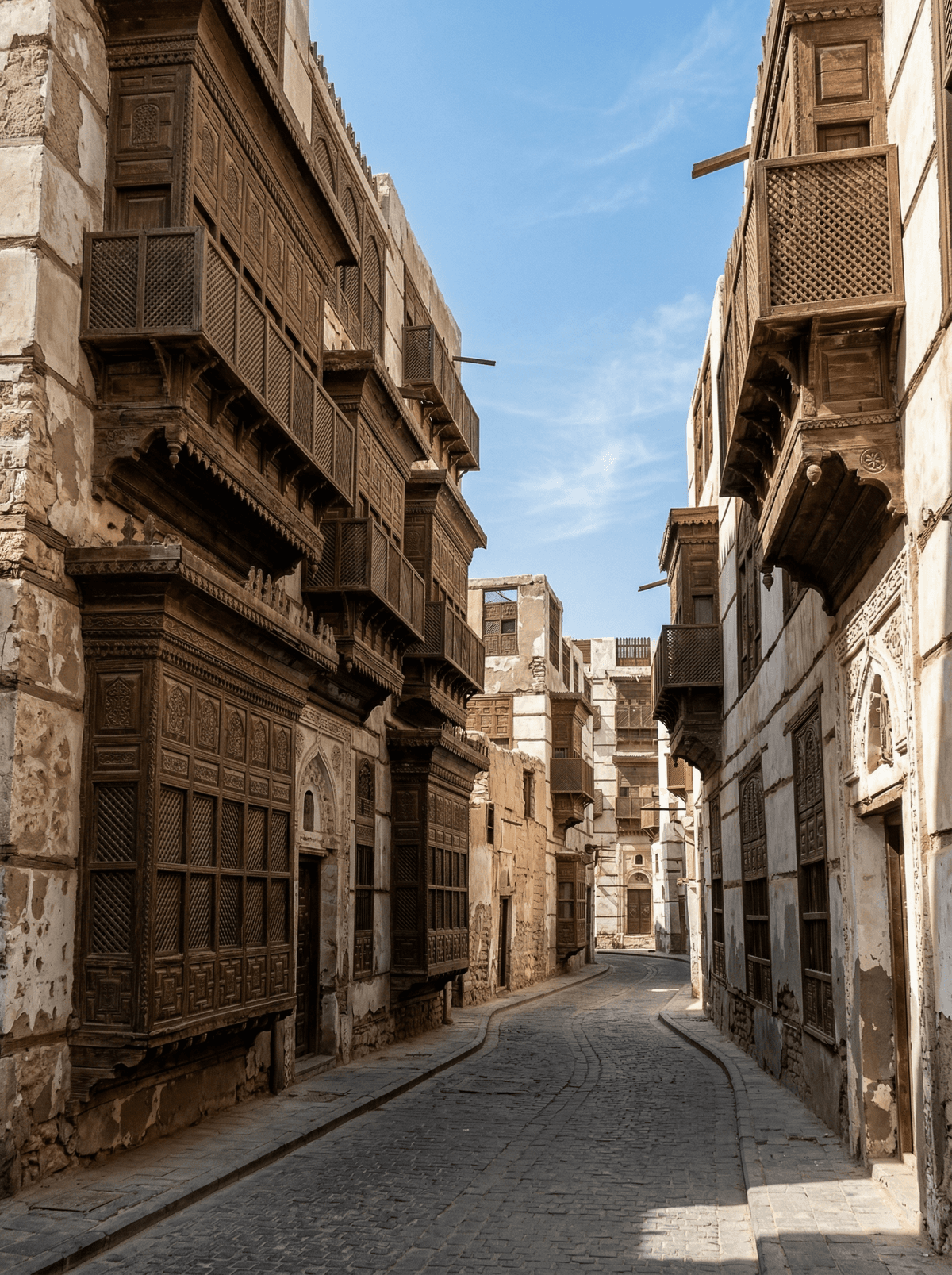
The alleys of Al-Balad are narrow enough that the carved wooden balconies almost touch overhead, holding a permanent shade that traps the scent of cardamom and oud. Coral-stone tower houses lean at angles that suggest the next breeze might finish them, yet they have stood through centuries of salt air. At night the souk lights up, and the sound of sizzling griddles and shouted prices fills the old quarter.
Jeddah's Al-Balad district carries UNESCO World Heritage listing and is among the Middle East's most distinctive urban landscapes. The tower houses are built from coral blocks harvested from the Red Sea, with rawasheen — projecting wooden bay windows — carved in intricate geometric patterns that served both as decoration and ventilation. The district was the historic gateway for pilgrims arriving by sea en route to Mecca, and its merchant houses reflect centuries of wealth from the Hajj trade. Today the restored lanes house galleries, heritage cafes, and the remnants of a spice trade that once connected Arabia to India, East Africa, and beyond.
Solo
Solo wanderers find Al-Balad endlessly layered — every return to the same alley reveals a door, a carved lintel, or a rooftop view missed on the first pass.
Couple
Rooftop cafes in restored coral-stone houses offer candlelit evenings overlooking the old quarter's lantern-lit lanes.
Family
The souk's sensory overload of spices, textiles, and street food is an adventure children engage with instinctively.
Friends
Gallery openings, night markets and late street food make Al-Balad a social destination that keeps going after dark.
- The rawasheen — carved wooden balconies — lean over alleys so narrow the shade is permanent.
- Spice souks, textile merchants and street-food griddles fill the coral-stone quarter after dark.
- Heritage houses now hold boutique galleries and cafes with rooftop views over the old quarter.
- Nasseef House, where King Abdulaziz stayed from 1925, remains the grandest of the coral tower houses, its floors lined with rawasheen.
Mutabbaq — stuffed savoury pancakes fried crisp on sizzling griddles in the souk after dark.
Saleeq Hijazi — silky milk-cooked rice and chicken, served by specialist kitchens in the historic city.
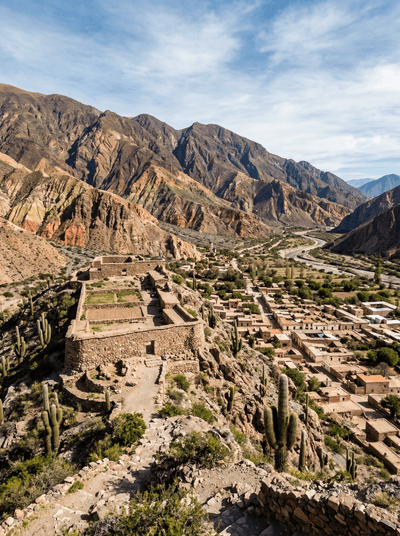
Tilcara
Argentina
A pre-Inca fortress above a rainbow canyon where carnival explodes into devil masks.
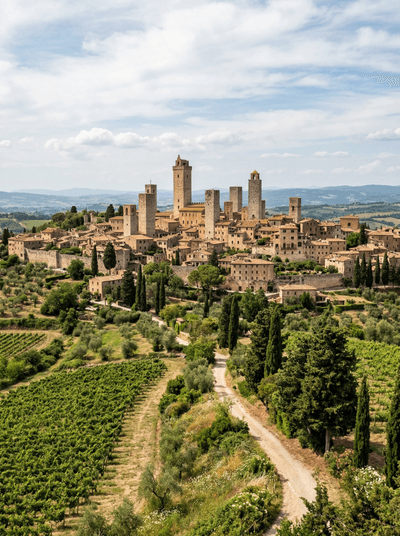
San Gimignano
Italy
Fourteen medieval towers still standing like a Tuscan Manhattan, casting shadows across the piazza.
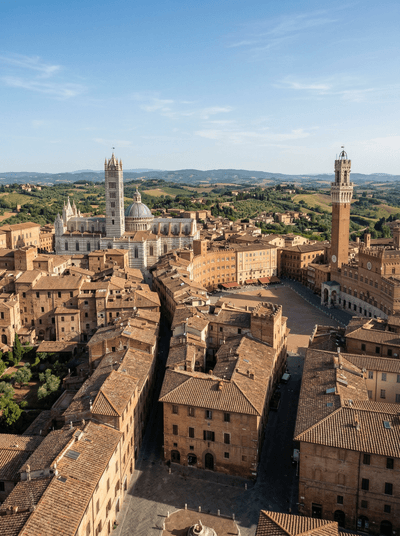
Siena
Italy
A shell-shaped piazza where twice a year the city erupts into bareback horse chaos.
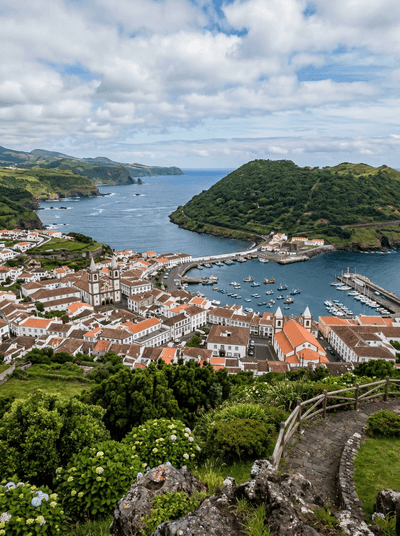
Terceira
Portugal
A UNESCO city with bull-runs in village streets and lava tunnels under the pastures.