Turkey
Konya
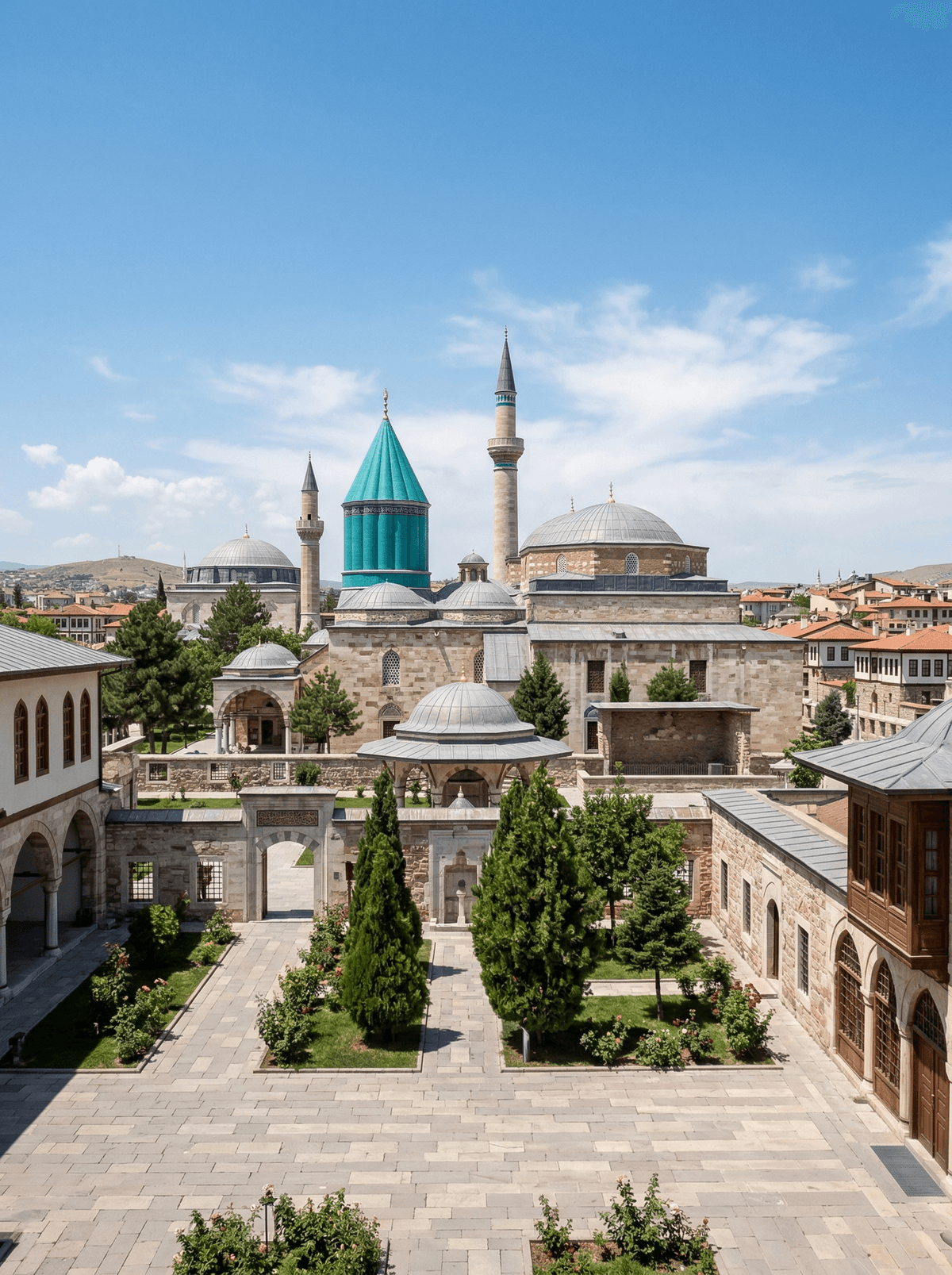
Whirling dervishes spin in silent trance in the city that keeps Rumi's turquoise-tiled tomb.
Inside the Mevlana Museum, turquoise tiles line the chamber where Rumi lies beneath a gold-embroidered cloth, the air heavy with rosewater and reverence. Across town in the semahane, whirling dervishes spin in white robes, one palm turned to the sky, one to the earth, a 750-year-old meditation that looks like it might never stop.
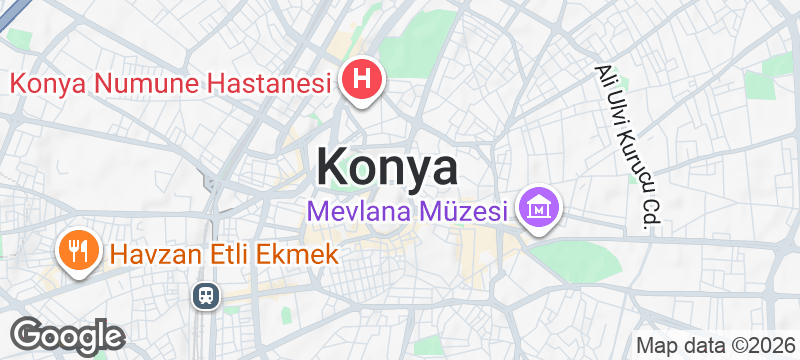
Konya is the spiritual heart of the Anatolian interior and the home of the Mevlevi order of Sufi dervishes, gathered around the 13th-century poet and mystic Jalal al-Din Rumi. The Mevlana Museum, in the original dervish lodge, draws millions of pilgrims and visitors a year, and the sema whirling ceremony, on UNESCO's Intangible Cultural Heritage list, is still performed in the city that gave it its name. The city is also the crossroads of Seljuk Anatolia: the Alaeddin Mosque dates to 1221, and the Karatay Medrese holds the finest Seljuk tilework in the country. The surrounding plain is Turkey's breadbasket, and etli ekmek, the metre-long lamb flatbread, was born here.
Solo
Konya is a city for contemplation. Sit alone in the Mevlana Museum and read Rumi in the place he wrote, then walk the Seljuk monuments without commentary. The rare gift of a city that encourages stillness.
Couple
The sema ceremony is profoundly moving to witness together, and the shared silence afterward is its own kind of intimacy. Ottoman houses turned boutique hotels strip the pace of life back to essentials.
- The Mevlana Museum holds Rumi's tomb and personal possessions, drawing millions of pilgrims and visitors a year.
- The sema, the whirling dervish ritual, is inscribed on UNESCO's Intangible Cultural Heritage list.
- Konya's Seljuk-era medreses line the old city, including the 13th-century Karatay tilework museum.
- The surrounding Anatolian steppe makes the city feel genuinely remote, a contemplative destination, not a stopover.
Etli ekmek, metre-long flatbread loaded with spiced lamb, pulled from wood-fired ovens.
Sac arası, layered pastry with butter and syrup under crushed pistachio, Konya's farewell sweet.
Locronan
France
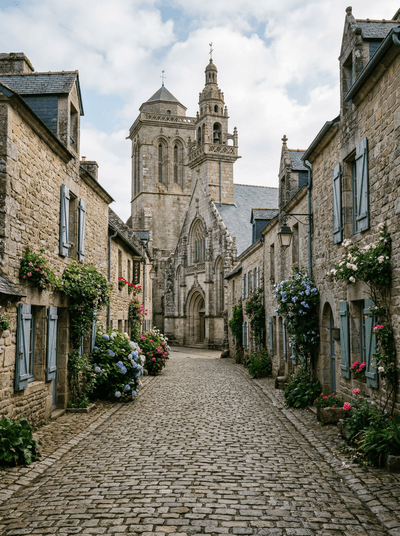
A granite village frozen in its sailcloth-weaving prime, where the seventeenth century never left.
Flavigny-sur-Ozerain
France
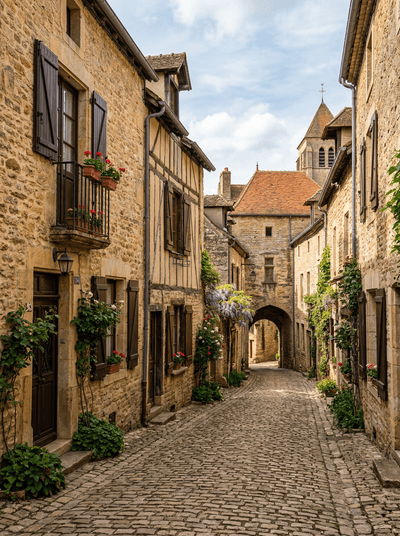
Aniseed sweets made in a hilltop abbey, in the village that played the set of Chocolat.
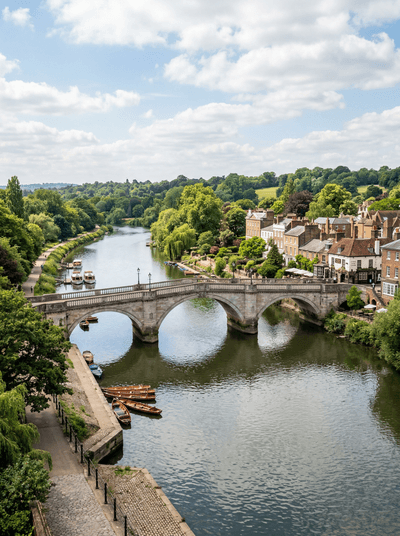
Richmond
England
A Norman castle above a river gorge, with a Georgian theatre still staging plays.
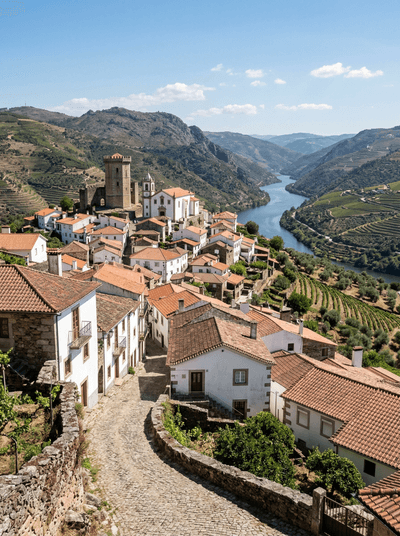
Freixo de Espada à Cinta
Portugal
Almond blossom turns a remote valley white each late winter beneath a seven-sided tower.
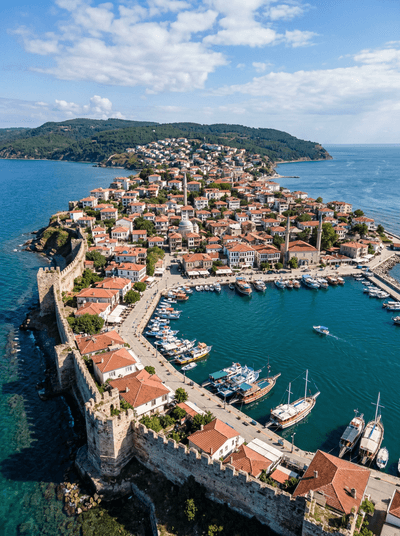
Sinop
Turkey
A prison peninsula where Diogenes was born and waves crash on three sides.
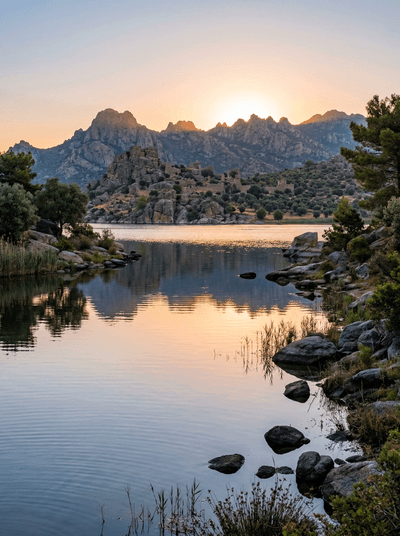
Bafa Lake
Turkey
A Byzantine monastery on a boulder-strewn island in a lake that was once an Aegean inlet.
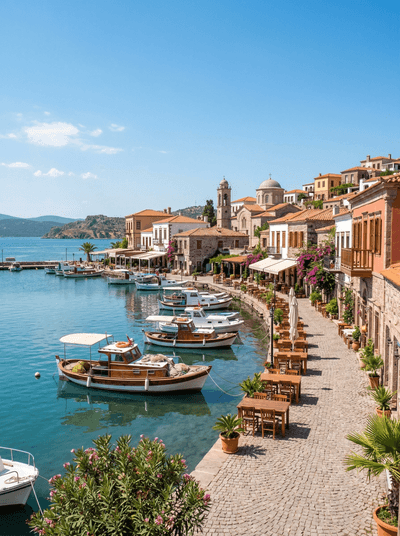
Cunda Island
Turkey
A Greek island resettled by Cretan Turks, its cathedral now a museum, its chapel a library.
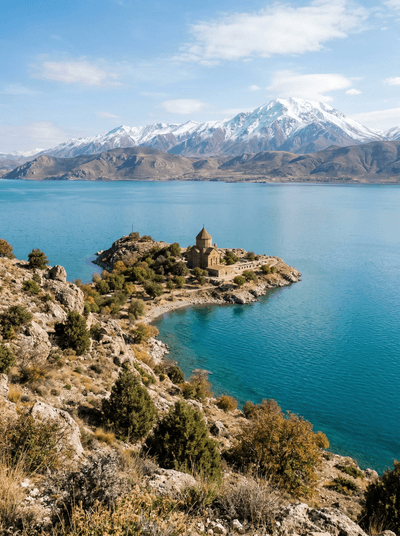
Lake Van
Turkey
A vast soda sea where you float without trying, ringed by snow-capped volcanoes.