Solomon Islands
Kwaio Highlands
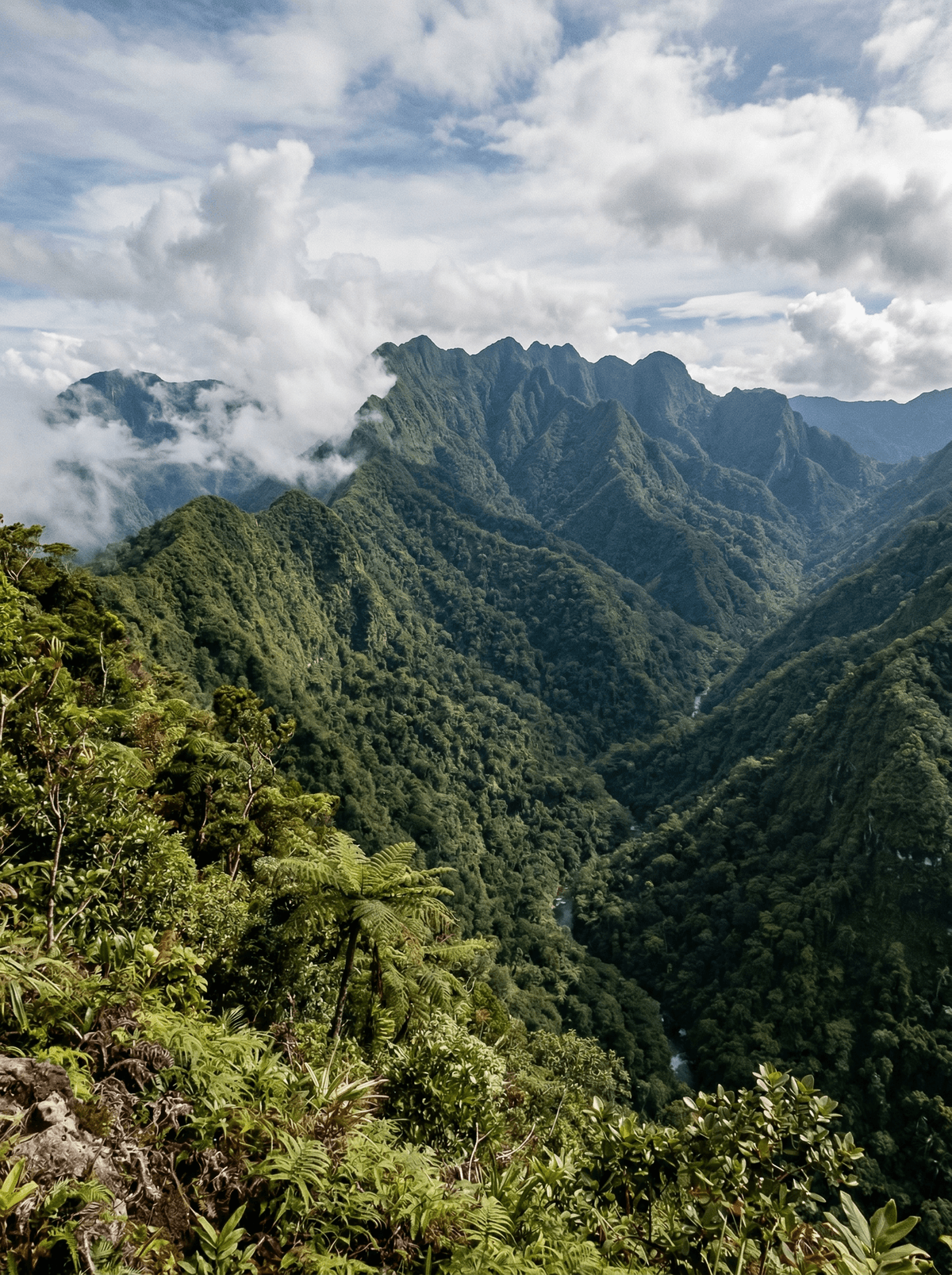
Highland villagers who rejected Christianity tend ancestral shrines in cloud forest above the coast.
The trail climbs from the humid coast into cloud forest where moss hangs in curtains and the temperature drops with each hundred metres of altitude. Somewhere above, smoke rises from a clearing where an ancestral shrine sits fenced and forbidden. The silence here is not emptiness — it is maintained, deliberate, the sound of a community that chose to keep the modern world below the ridgeline.
The Kwaio Highlands of central Malaita in the Solomon Islands are home to one of the few communities in the Pacific that actively rejected Christianity and colonial governance. The Kwaio people maintain a traditional religious system centred on ancestral spirits, with sacred shrines, gendered taboo spaces, and ritual practices that govern daily life. Their resistance to the British colonial administration culminated in the 1927 confrontation with District Officer William Bell — a pivotal event in Solomon Islands history whose repercussions still shape Kwaio identity. The highlands themselves are rugged, forested, and without roads, reached only by walking trails from the coast. Visits require community permission and are guided by local hosts who determine which areas are accessible and which remain restricted.
Solo
The Kwaio Highlands demand the flexibility and cultural sensitivity that solo travel allows. Moving at the community's pace, observing protocols around sacred sites, and spending extended time in a single village — this is a journey shaped entirely by your hosts.
Couple
Travelling as a pair through the Kwaio Highlands allows you to share the weight of an intense cultural encounter — the steep trail, the unfamiliar protocols, and the privilege of witnessing a way of life that has deliberately resisted change for over a century.
Friends
A small group with genuine interest in anthropology and traditional religion will find the Kwaio Highlands among the most challenging and rewarding cultural encounters in the Pacific. The trek itself is demanding, and having companions makes the logistics — carrying supplies, navigating trails — considerably easier.
- The Kwaio of central Malaita resisted all Christian missionary contact during the colonial period; following the killing of a British colonial officer in 1927, a punitive expedition was sent — the Kwaio have maintained their ancestral religion ever since.
- Active ancestral shrines in the highlands receive pig sacrifices at key moments in the life cycle; the spirits of ancestors are believed to intervene directly in daily affairs, and the shrines are maintained accordingly.
- Access requires hiring a local guide from coastal villages on Malaita's eastern shore; the trek into the highlands takes a full day, and visitors stay in village guesthouses — there is no lodge, no tour company, and no booking system.
- Cloud forest at higher elevations is home to the Malaita Fantail and other endemic species found nowhere outside Malaita — the birds and the ancestral shrines share the same ridge.
Highland taro and sweet potato baked in earth ovens beside ancestral shrines.
Wild fern tips and slippery cabbage gathered from the forest, cooked in coconut cream.
Trollskogen (Öland)
Sweden
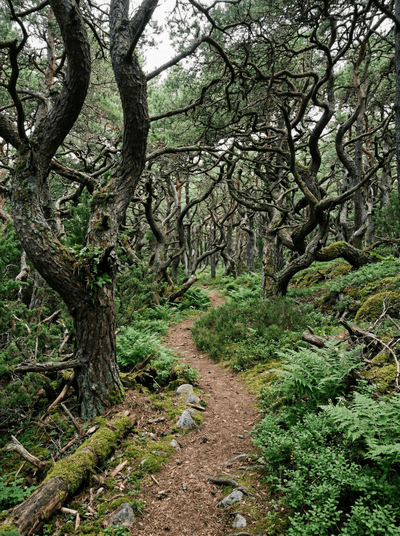
A forest of wind-warped oaks so twisted they look like a witch's spell gone wrong.
Millennium Cave
Vanuatu
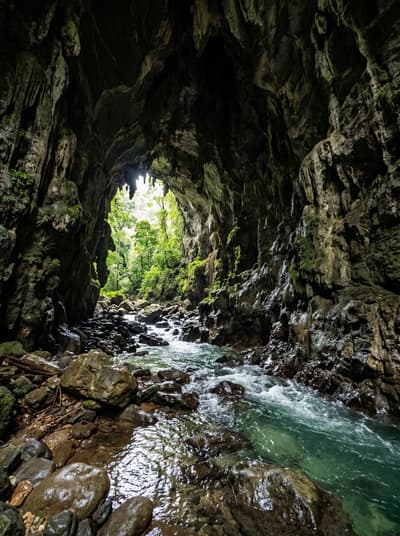
Scramble through jungle and wade chest-deep rivers to a cave you enter walking and exit floating.
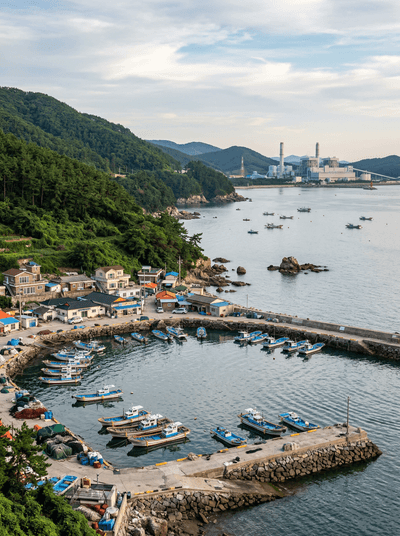
Maryang-ri
South Korea
A five-hundred-year-old forest of camellia trees bleeding red flowers against the grey winter sea.
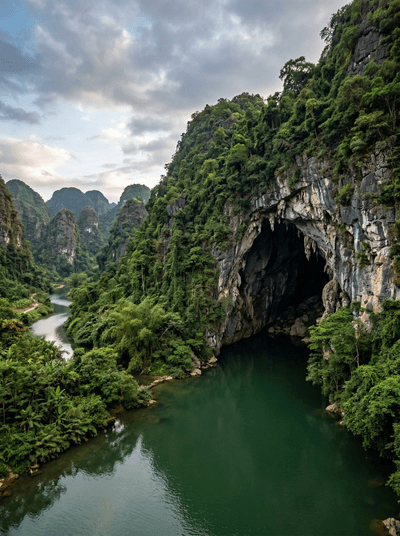
Phong Nha
Vietnam
Hidden jungle portals opening into subterranean river systems and limestone caverns.
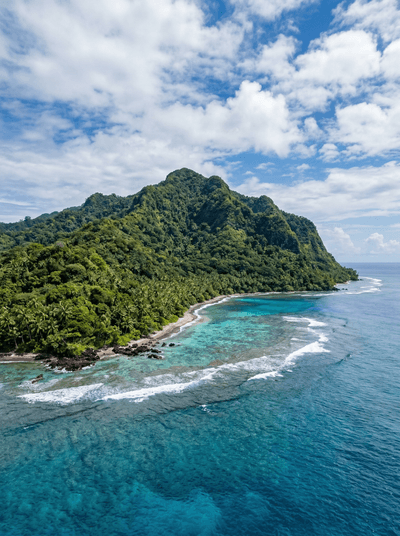
Anuta
Solomon Islands
Three hundred people share a coral speck half a mile across in the open Pacific.
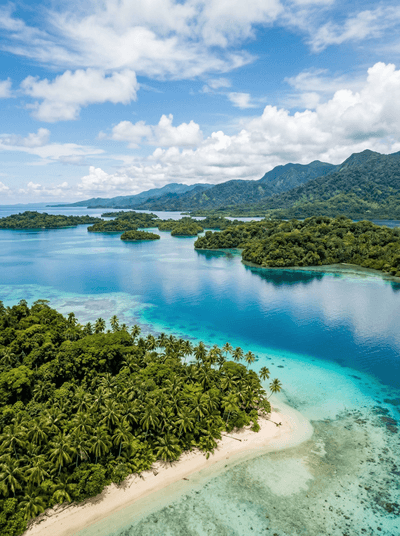
Roviana Lagoon
Solomon Islands
Head-hunting shrines and coral petroglyphs line a lagoon that launched war canoe raids for centuries.
Nendo
Solomon Islands
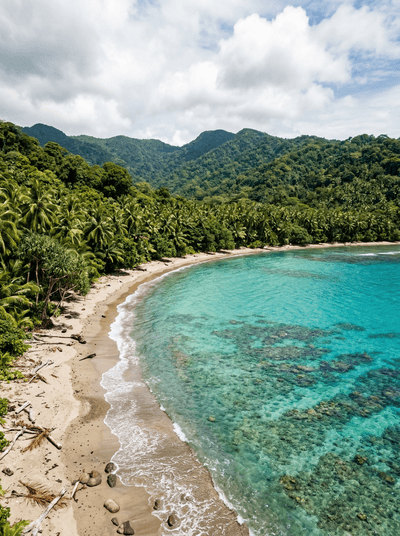
Red feather money still circulates on an island where Melanesian and Polynesian bloodlines converge.
Reef Islands
Solomon Islands
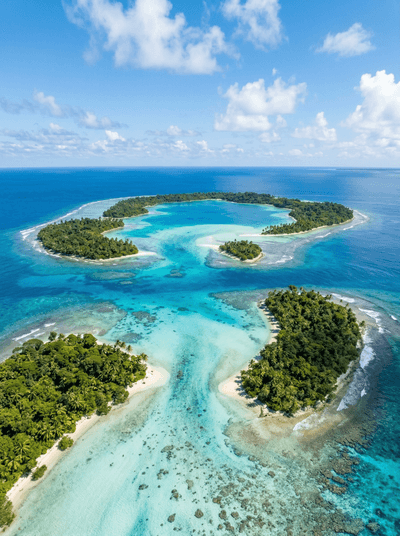
Coral islets scattered like gravel across open ocean, reached by canoe navigators reading the stars.