Tanzania
Laetoli
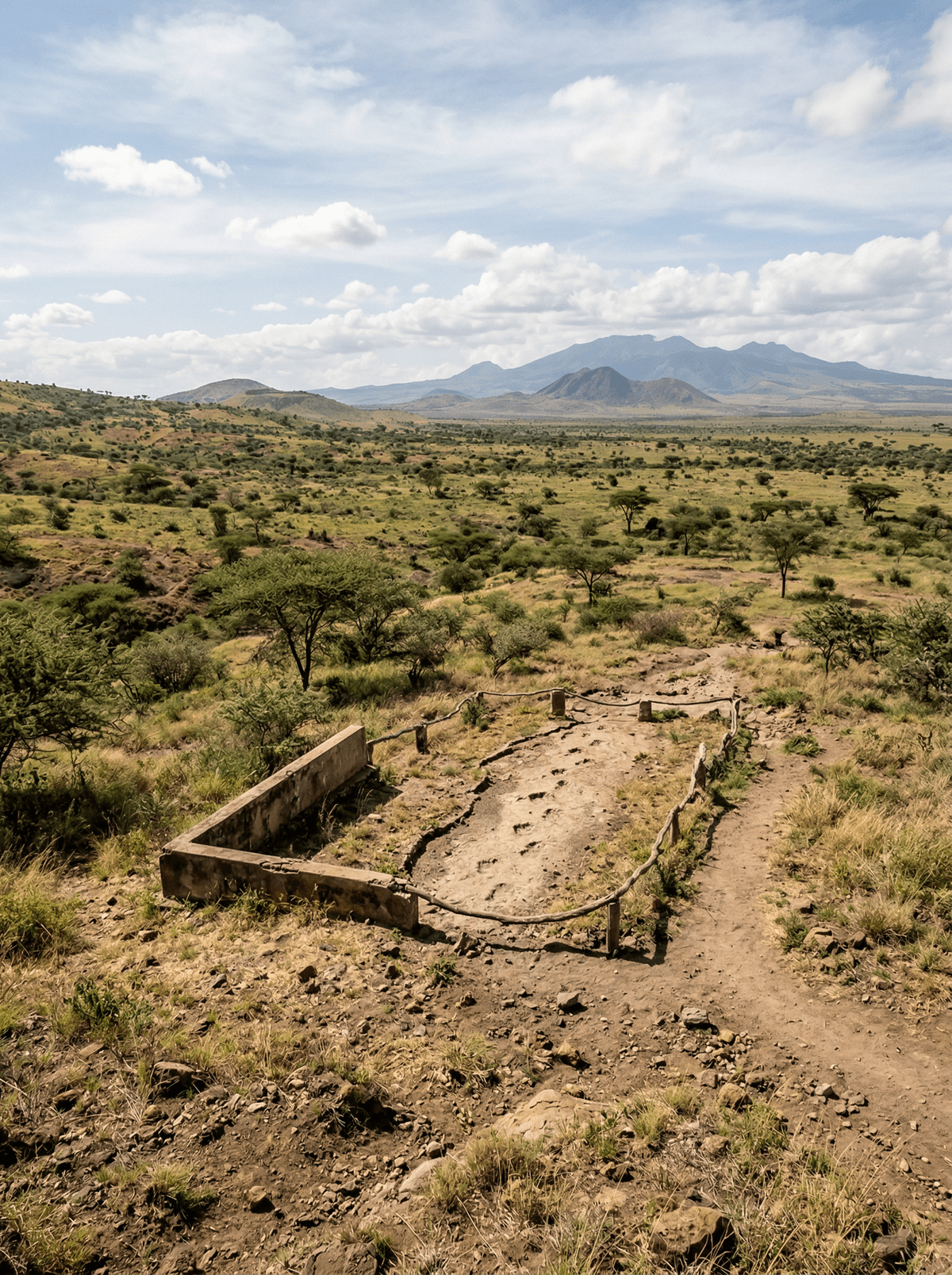
Footprints 3.66 million years old lie beneath this ground, the first proof we walked.
Two early ancestors crossed fresh volcanic ash here, and the ash kept the moment: heel, arch, stride. The original prints lie protected beneath the ground they were found in, and the site now tells its story through a visitor centre, with the animal tracks still exposed.
Laetoli holds the oldest known footprints of upright-walking human ancestors, a trackway of Australopithecus afarensis pressed into wet ash 3.66 million years ago and preserved like a photograph of a stride. The originals were recorded and reburied for protection in 1979; today's visit, run from the geopark's new visitor centre, is a three-stop route taking in the covered hominin trackway and the exposed animal tracks nearby. It pairs with Olduvai down the South Route from Karatu, roads at their best June to October, and the wonder is the fact itself: before tools, before fire, someone walked here upright, and the ground remembers.
Solo
One traveller with a guide gets the site's story straight from the people who keep it.
Couple
Fold it into a Ngorongoro day: the crater in the morning, the first footsteps after lunch.
Friends
The South Route from Karatu strings gorge, trackway and crater rim into one shared day.
- The trackway is the oldest direct evidence of upright human walking, 3.66 million years old.
- A new visitor centre runs a three-stop site visit including the covered trackway.
- Exposed animal tracks from the same ash falls remain visible.
- Olduvai pairs with it along the Karatu road, gorge and trackway in one day.
The visit travels on safari-circuit picnics packed by the lodges.
Gibb's Farm in Karatu, the route's gateway, grows and roasts its own arabica.
Suva
Fiji
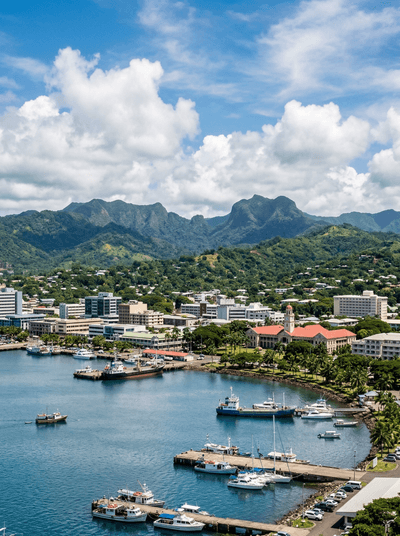
South Pacific hustle where Hindu temples share streets with Fijian markets and colonial verandahs.
Levuka
Fiji
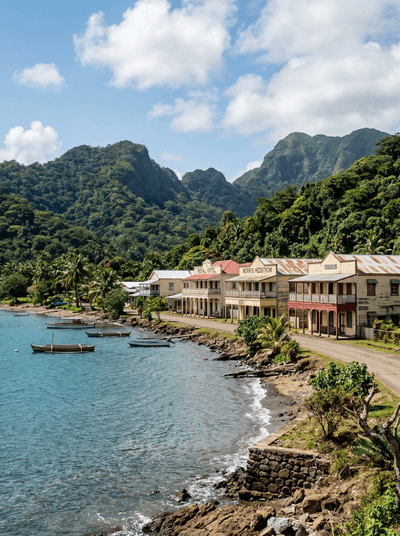
Fiji's first colonial capital frozen in the 1870s, wooden shopfronts sagging under tropical rain.
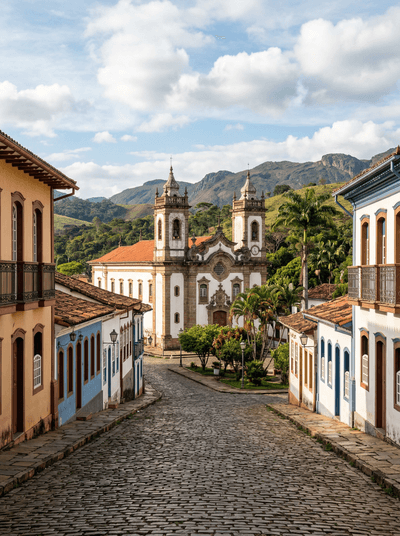
São João del-Rei
Brazil
Baroque towers answering each other across a valley, ringing the sex of whoever has just died.

Salvador
Brazil
Drum rhythms ricocheting off colonial walls where song, dance and combat happen at once.
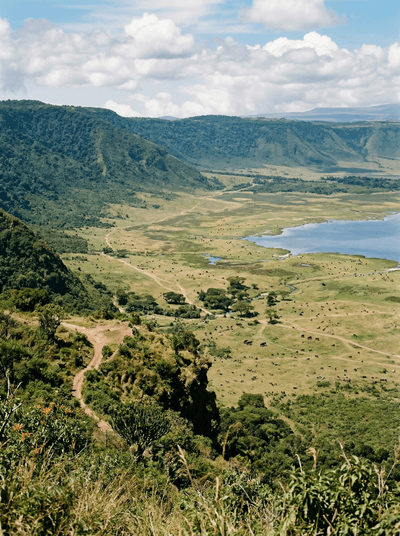
Ngorongoro Crater
Tanzania
A collapsed volcano holds its own weather, its own herds, and Maasai cattle besides.

Fanjove Private Island
Tanzania
Green turtles nest beside a lighthouse whose ground floor serves dinner.
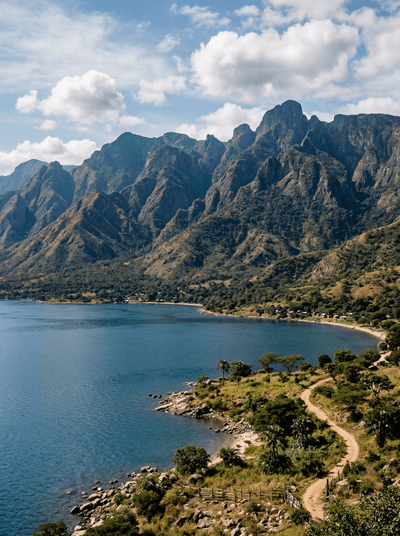
Livingstone Mountains
Tanzania
A green wall drops 1,500 metres from cold summits into a warm clear lake.
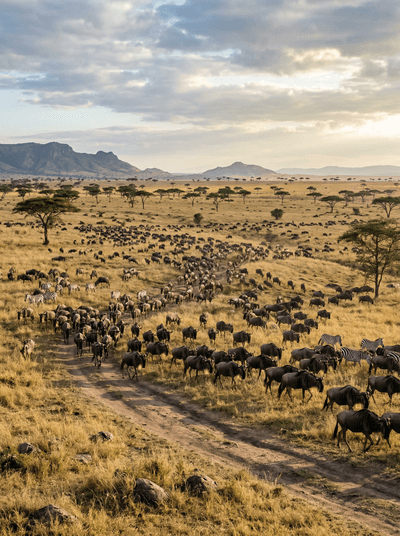
Serengeti National Park
Tanzania
Two million animals move with the rain across plains that have never known a fence.