Fiji
Lake Tagimoucia
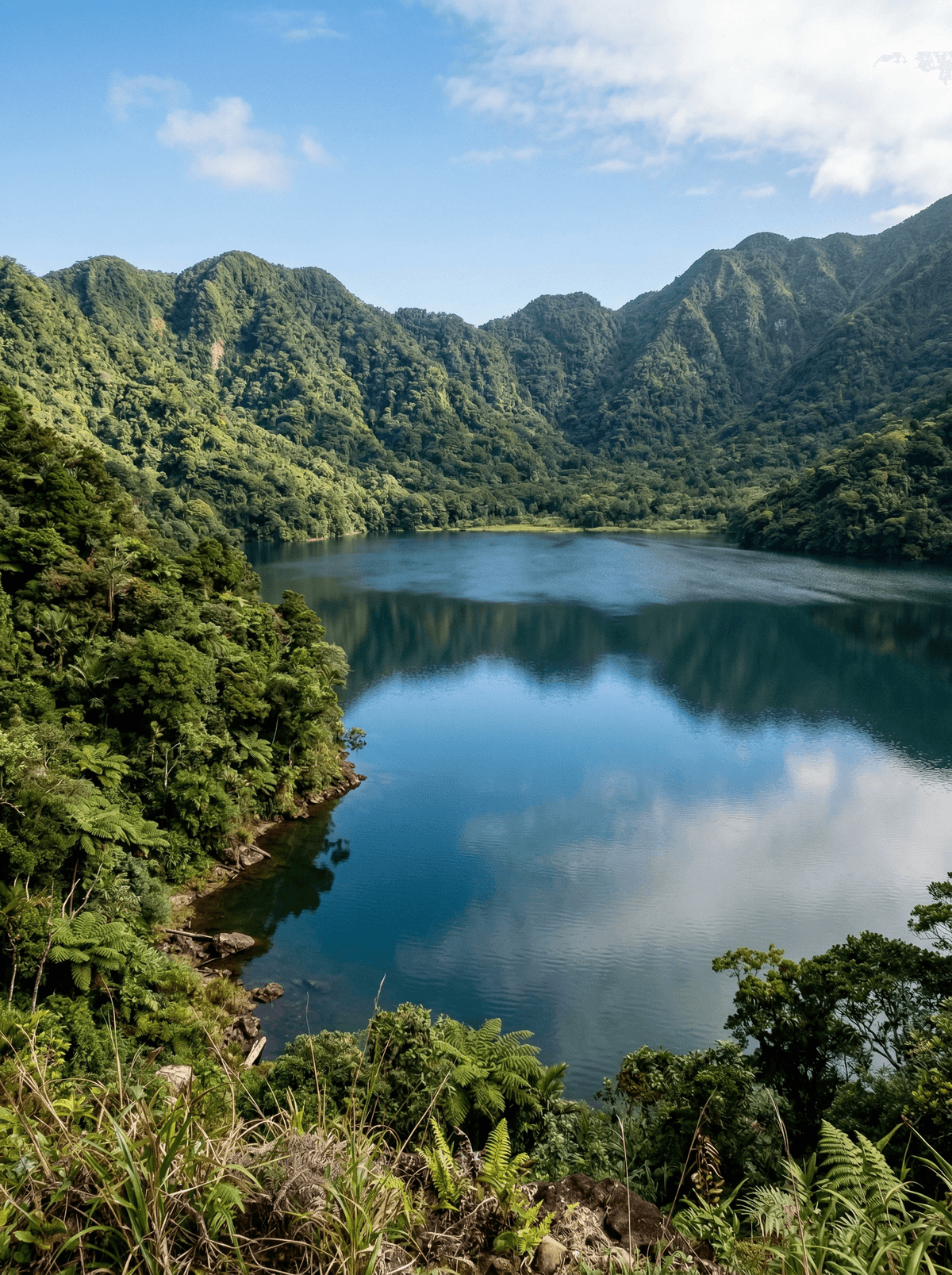
Mist wraps a crater lake ringed by a flower no one has ever transplanted alive.
The tagimoucia blooms on the shores of a crater lake high on Taveuni, crimson-and-white clusters over cold water, and it refuses to live anywhere people carry it. The name means 'to cry in your sleep'; the climb through the cloud forest explains the mood.
Lake Tagimoucia fills an old volcanic crater in the mountains above Somosomo, reached on a long guided hike through dense, muddy rainforest. Its flower, Medinilla waterhousei, grows only on Taveuni and in a few high corners of Vanua Levu, always above 600 metres, and every attempt to transplant it, even to identical altitudes elsewhere in Fiji, has failed. It blooms from October to January and hangs in Fijians' wallets too, printed on the $50 note. Legend says the flowers are the tears of a princess who fled an arranged marriage and cried herself to sleep on the mountain.
Solo
A hard, guided cloud-forest day to the home of a flower that refuses attempts to transplant it is Pacific natural history at its most singular.
Couple
The misty crater, the tears-in-your-sleep legend and the cold high air make an atmosphere genuinely unlike anywhere else in Fiji.
Friends
A small hiking group shares a long, muddy ascent and treats a bloom sighting as the privilege it is; the lake and crater carry the day regardless.
- Every attempt to transplant the tagimoucia beyond its mountains has failed, even at identical altitudes elsewhere in Fiji.
- The flower blooms from October to January in crimson-and-white clusters along the lake's shores.
- The name means 'to cry in your sleep': legend holds the blooms are a runaway princess's tears.
- The lake fills a volcanic crater in the mountains above Somosomo, reached only on a guided rainforest hike.
Nothing is sold above the villages: guides carry the packed lunch, eaten in cloud at the crater's edge.
Back down in Matei, The Pointe serves kokoda and a curry of the day beside its fresh pastries.
Arenal & La Fortuna
Costa Rica
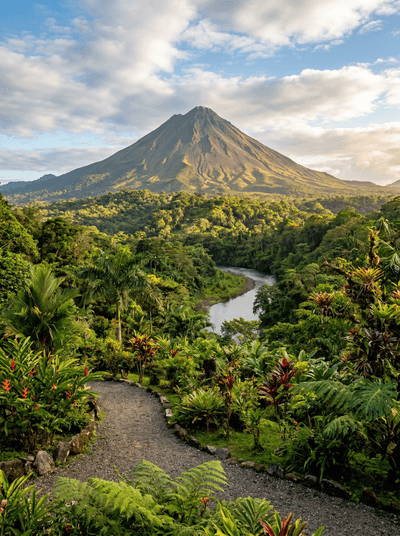
Hot springs steaming through jungle beneath a volcano's perfect cone at dusk.
Drakensberg
South Africa
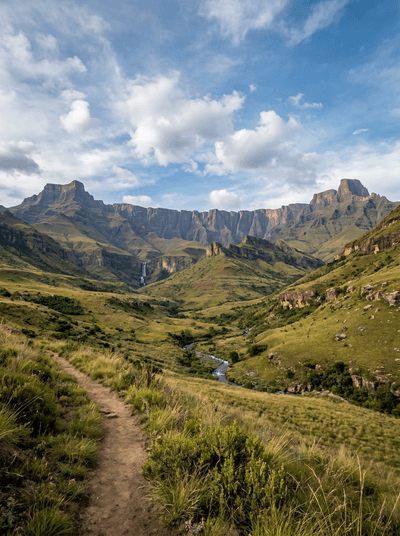
Basalt walls rise above sandstone caves painted across thousands of years.
Parque Nacional Volcán Isluga
Chile
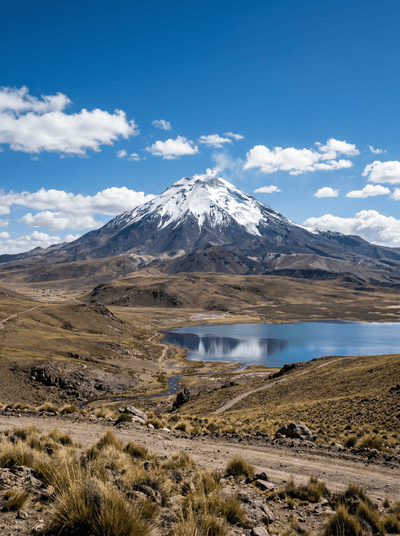
Volcanic horizons and high wetlands surround living Aymara settlements in the altiplano.
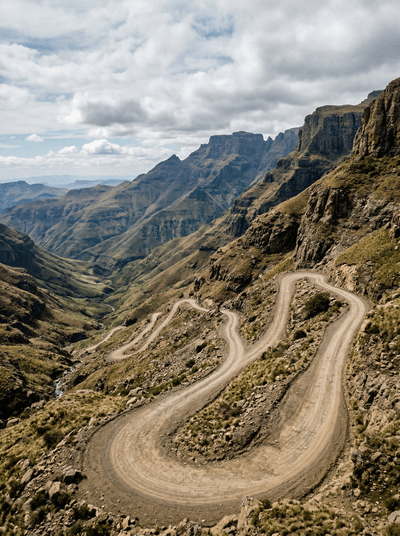
Sani Pass
South Africa
A switchback road climbs from green foothills to a high border above the clouds.
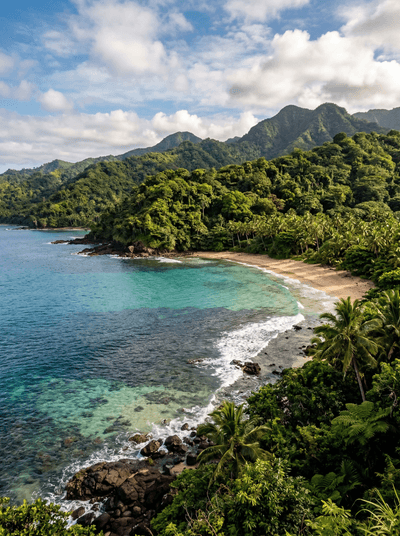
Taveuni
Fiji
Stand astride the 180th meridian in rainforest, one foot in today, one in yesterday.
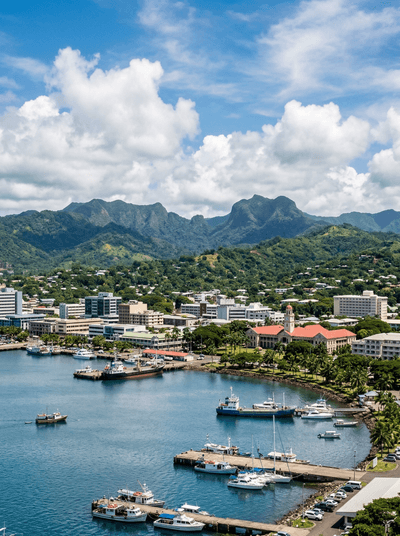
Suva
Fiji
South Pacific hustle where Hindu temples share streets with Fijian markets and colonial verandahs.
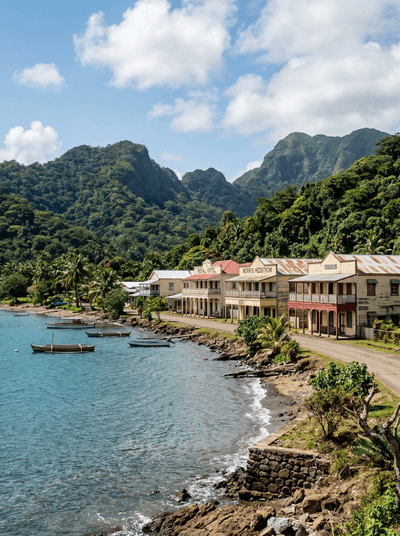
Levuka
Fiji
Fiji's first colonial capital frozen in the 1870s, wooden shopfronts sagging under tropical rain.
Kadavu
Fiji
Manta rays circle the world's fourth-largest barrier reef, off villages the road barely reaches.