England
Liverpool
Dock warehouses turned galleries where the Beatles' echo never quite fades.
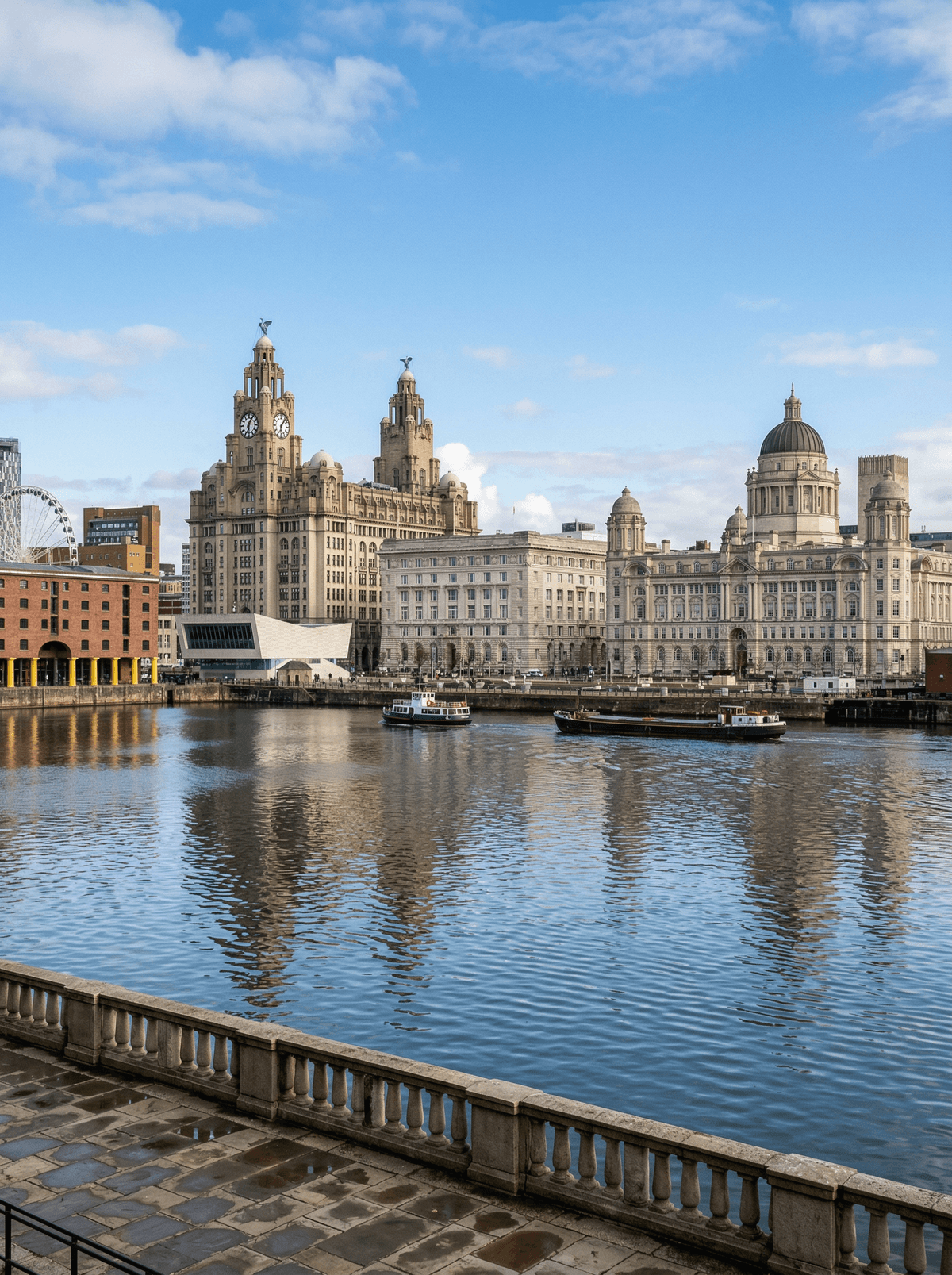
Warehouse doors that once opened to cotton and slave-trade cargo now frame galleries, restaurants and a waterfront that has turned maritime wealth into cultural muscle. Liverpool is a port city whose reinvention has been louder, bolder and more honest about its past than any rival city.
The Royal Albert Dock, built in 1846 and restored from dereliction in the 1980s, holds Tate Liverpool, the Maritime Museum and the International Slavery Museum — the last confronting head-on the city's role as Europe's largest slave-trading port. The Pier Head's Three Graces, the Royal Liver Building at their centre, still command the Mersey, and the ferry across the river remains the best way to see them. The Beatles pilgrimage — Cavern Club, Mathew Street, Penny Lane — is concentrated and genuinely moving, though the city's music runs on through the Baltic Triangle's warehouse venues. Two cathedrals face each other down Hope Street — the Anglican, largest in Britain, and the Metropolitan's 'Paddy's Wigwam' — with the football cathedrals of Anfield and Everton's waterfront ground completing the city's other religion. The accent, the wit and the warmth hit you before the architecture does.
Solo
The Slavery Museum demands solitary attention — walk the dock, sit with the history, and let the city's honesty land.
Couple
Waterfront, cathedrals and Hope Street's restaurants cover culture, food and architecture in one weekend — substance with the sea views.
Family
Free museums, the Beatles across generations, and the Mersey ferry with all Three Graces reflected in the river.
Friends
The Baltic Triangle's bars, the live music and matchday at Anfield — Liverpool runs on collective energy and is best taken as a group.
- Cavern Club to Penny Lane, the Beatles pilgrimage packs into walking distance.
- Converted dock warehouses hold the Tate and Europe's reckoning with slavery.
- Two cathedrals stare each other down Hope Street, a famous pub between them.
- The wit and warmth reach you before the architecture does.
Scouse — the sailor's stew the city named itself after — in a Georgian-quarter pub.
A pint under the Philharmonic Dining Rooms' gilded ceilings, Britain's most ornate pub.
Niagara Falls
Canada
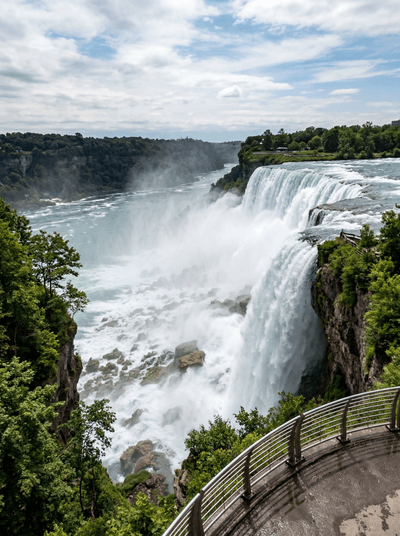
A river the size of a sea pours over the Horseshoe metres from the promenade rail.
Rotorua
New Zealand
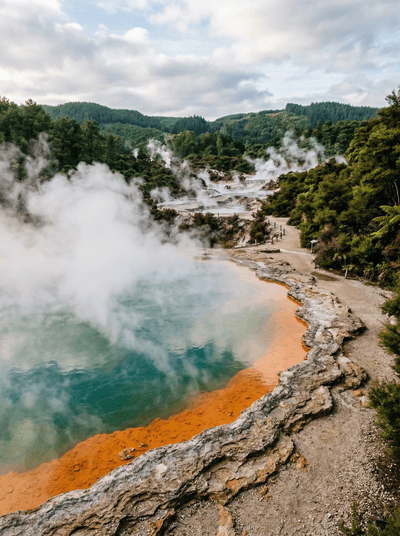
A city built on geothermal fury, where steam rises through suburban streets.
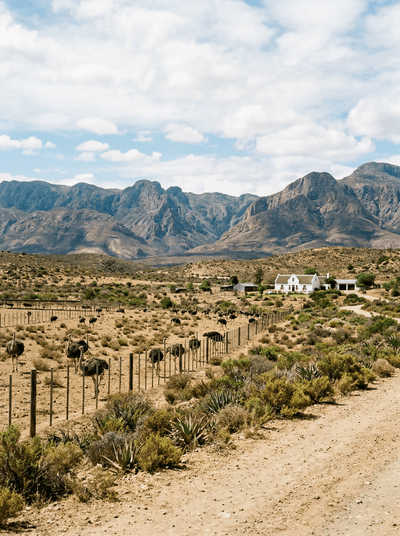
Oudtshoorn
South Africa
Ostrich-feather palaces line the streets while Cango Caves drip in cathedral silence.
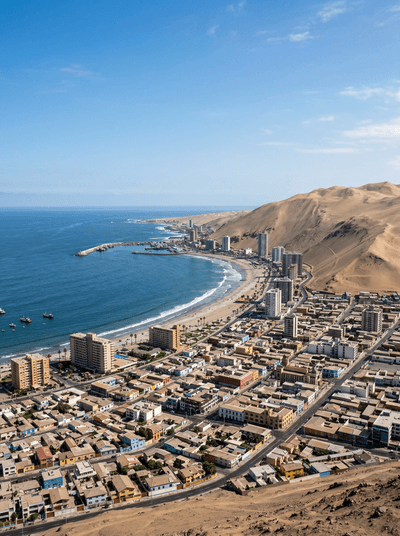
Iquique
Chile
Pacific beaches, nitrate history and desert paragliding give Iquique three horizons.
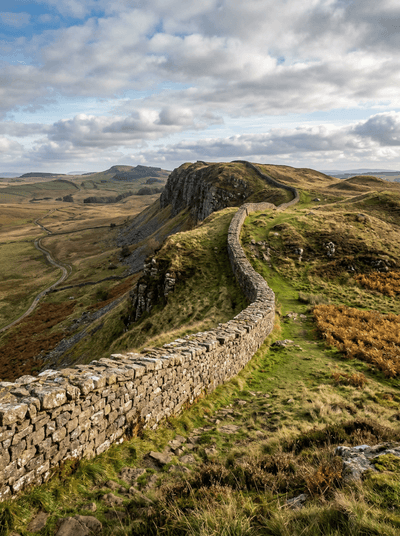
Hadrian's Wall
England
Roman stones marching across empty moor, still drawing the line after two thousand years.
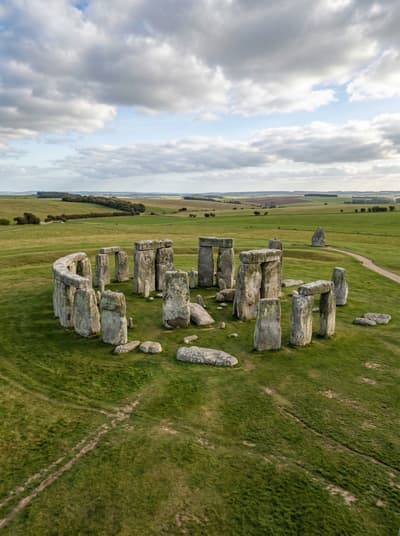
Stonehenge
England
Bluestones hauled a hundred and fifty miles to stand in a circle nobody can fully explain.
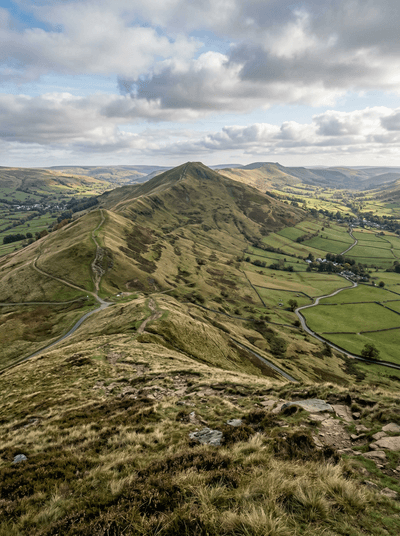
Mam Tor
England
The Shivering Mountain — a ridge that crumbles in slow motion above a broken road.
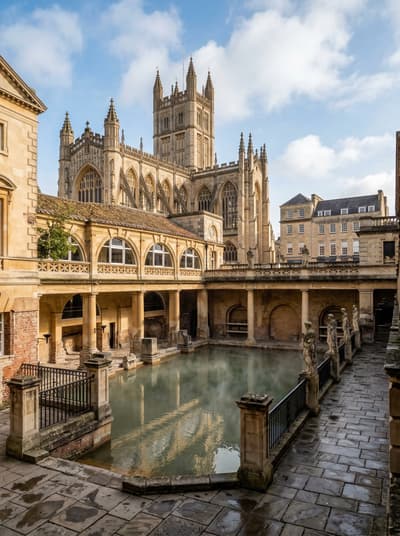
Bath
England
Georgian crescents carved from golden stone above Roman baths still steaming after two millennia.