Portugal
Laurissilva Forest
A subtropical laurel forest surviving from the Tertiary era — millions of years of unbroken canopy.
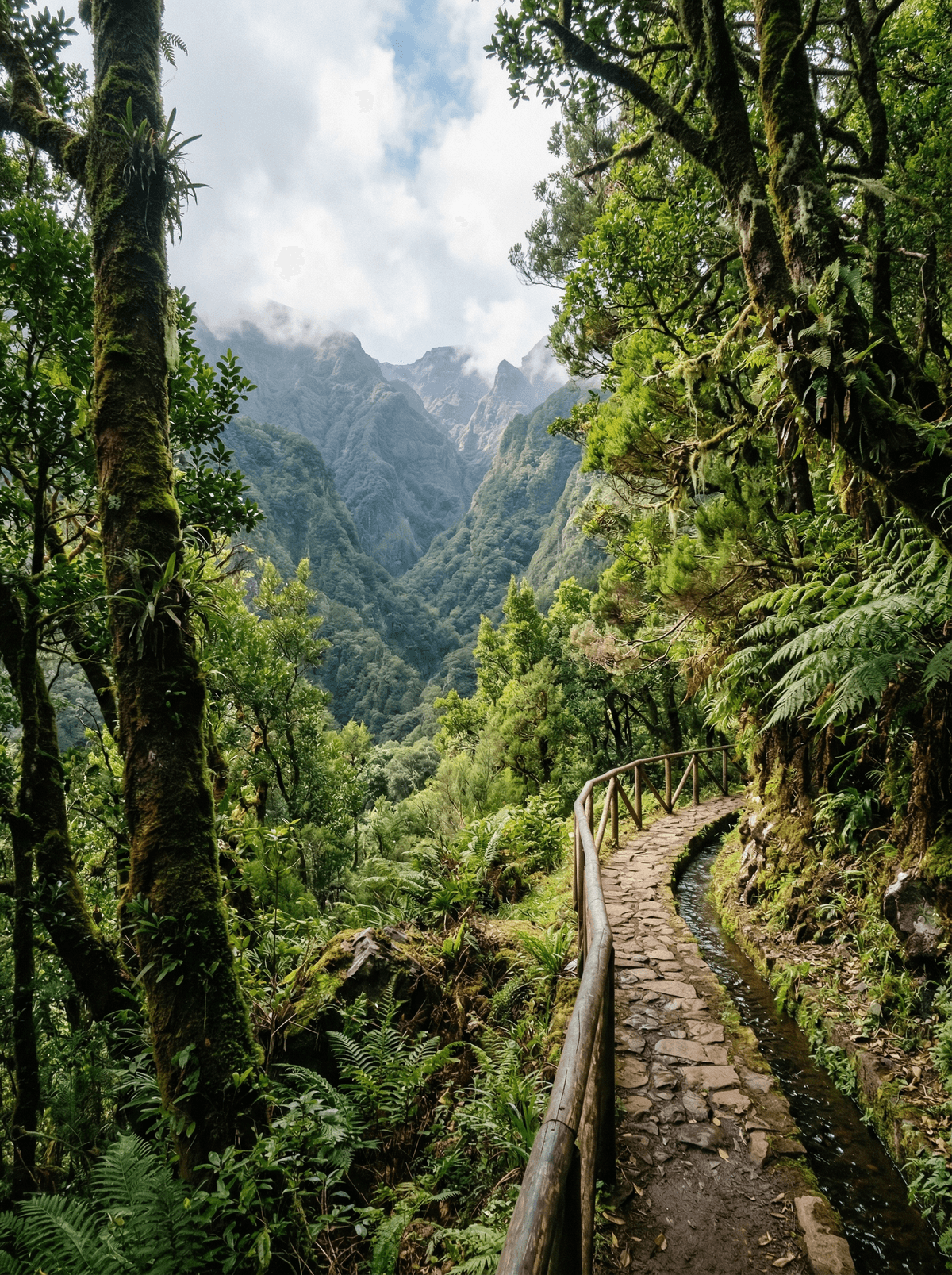
The canopy closes overhead and the light turns green. Moss blankets every surface — trunks, rocks, the levada walls themselves — and water drips from leaves the size of dinner plates. The air in Madeira's Laurissilva Forest is thick with moisture and the smell of wet earth, a humidity so complete it feels like breathing through cloth.
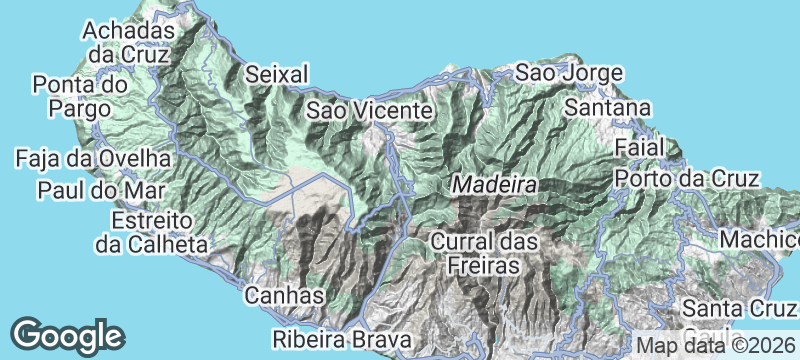
The Laurissilva of Madeira is a UNESCO World Heritage Site and the largest surviving fragment of a subtropical laurel forest that once covered much of southern Europe before the ice ages. The forest dates back approximately 20 million years to the Tertiary period, making it one of the oldest living ecosystems on the planet. It covers roughly 15,000 hectares — about 20% of Madeira's total area — across the island's north-facing slopes between 300 and 1,400 metres elevation. Over 70% of the plant species found here are endemic, including four species of laurel tree that give the forest its name. The levada irrigation channels built from the 16th century onwards now serve as walking paths through the forest's interior, their gentle gradient providing access to terrain that would otherwise require technical hiking. The Madeiran long-toed pigeon and the Madeiran firecrest are among the bird species found nowhere else on Earth.
Solo
Walking a levada through 20-million-year-old forest, the path narrow enough for one, is solo travel distilled to its essence. The forest's silence is not empty — it is layered with dripping water, birdsong, and wind through ancient canopy.
Couple
The levada paths are single-file in places, one behind the other through tunnels of green — an intimacy enforced by the forest itself. Pack espetada and bolo de mel for a lunch stop where the canopy opens to reveal the Atlantic far below.
- The Laurissilva has survived in Madeira since the Tertiary period — approximately 20 million years — and covers 15,000 hectares, accounting for 20% of the island's total area.
- UNESCO listed the Laurissilva in 1999 as 'the world's largest and best-preserved laurel forest' — the designation covers 90% of Madeira's remaining original forest.
- The levadas (irrigation channels) running through the forest were cut by hand over 600 years — the levada trails are now the island's primary hiking network.
- The Trocaz pigeon (Columba trocaz) is endemic to Madeira and found only within the Laurissilva — it was nearly extinct but recovered after the forest gained protected status.
Espetada — beef skewered on laurel sticks from this very forest, grilled over wood embers.
Bolo de mel — Madeiran honey cake dense with spices and dried fruit, centuries old.
Trollskogen (Öland)
Sweden
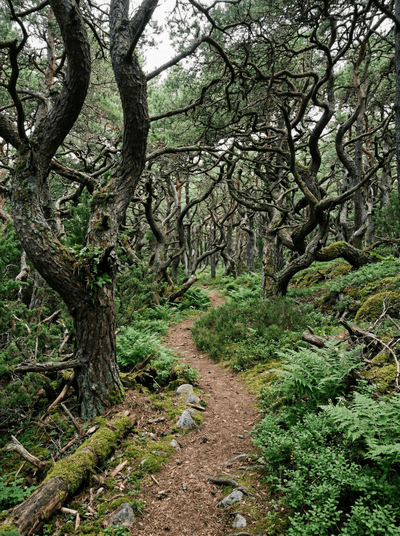
A forest of wind-warped oaks so twisted they look like a witch's spell gone wrong.
Millennium Cave
Vanuatu
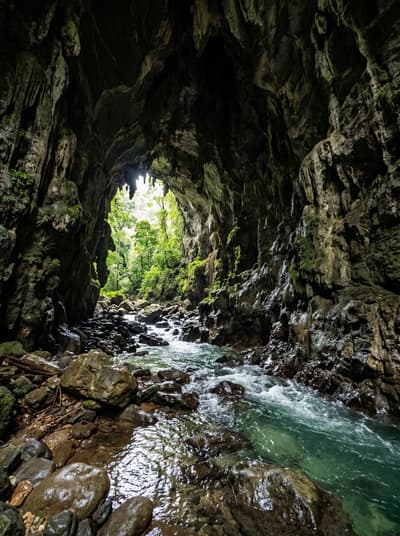
Scramble through jungle and wade chest-deep rivers to a cave you enter walking and exit floating.
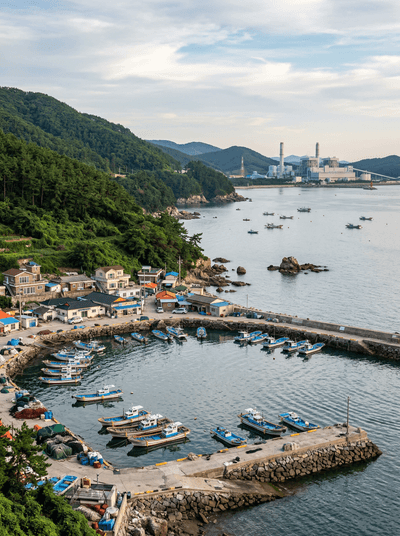
Maryang-ri
South Korea
A five-hundred-year-old forest of camellia trees bleeding red flowers against the grey winter sea.
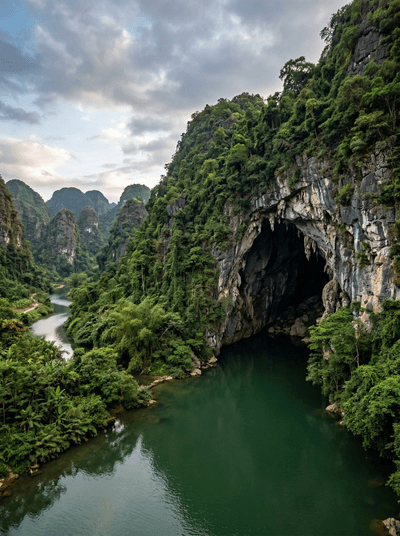
Phong Nha
Vietnam
Hidden jungle portals opening into subterranean river systems and limestone caverns.
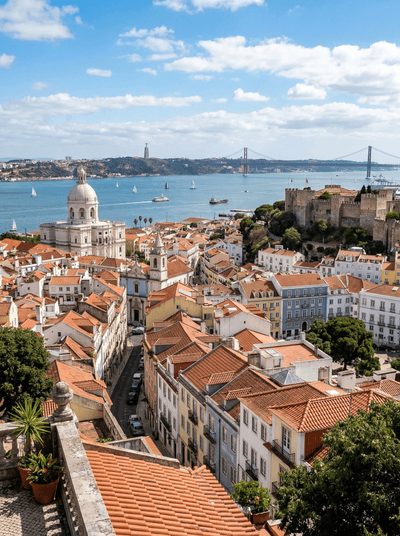
Lisbon
Portugal
Seven hills of crumbling azulejo facades where fado drifts from open doorways at dusk.
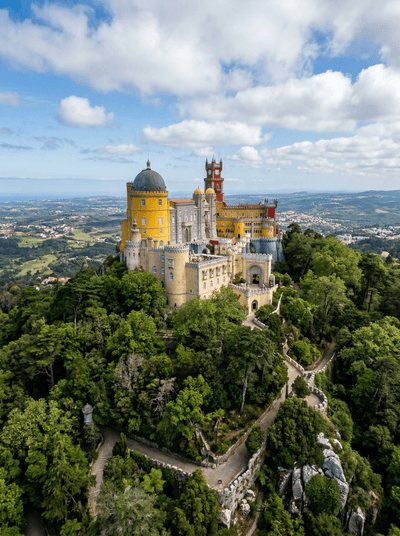
Sintra
Portugal
Moss-cloaked palaces vanish into mountain fog, each winding path revealing towers you weren't told about.
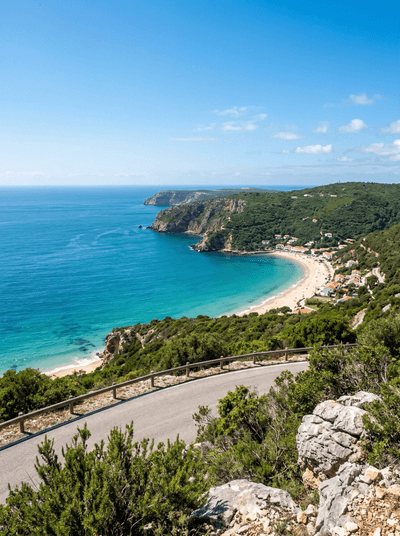
Arrábida
Portugal
Turquoise coves locked between limestone cliffs and ancient monastery forest above the sea.
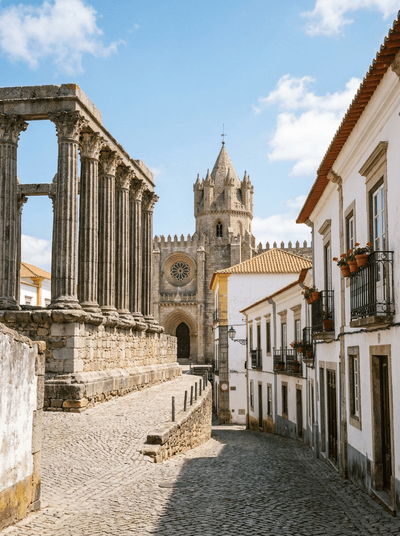
Évora
Portugal
Monks' skulls and femurs line a chapel ceiling beneath a Roman temple still intact.