Wales
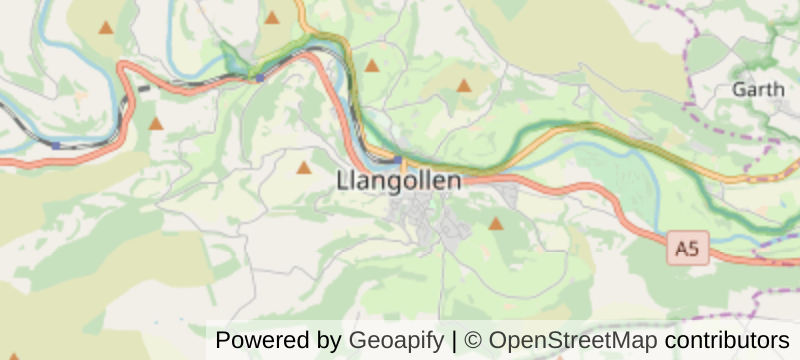
Llangollen and Pontcysyllte
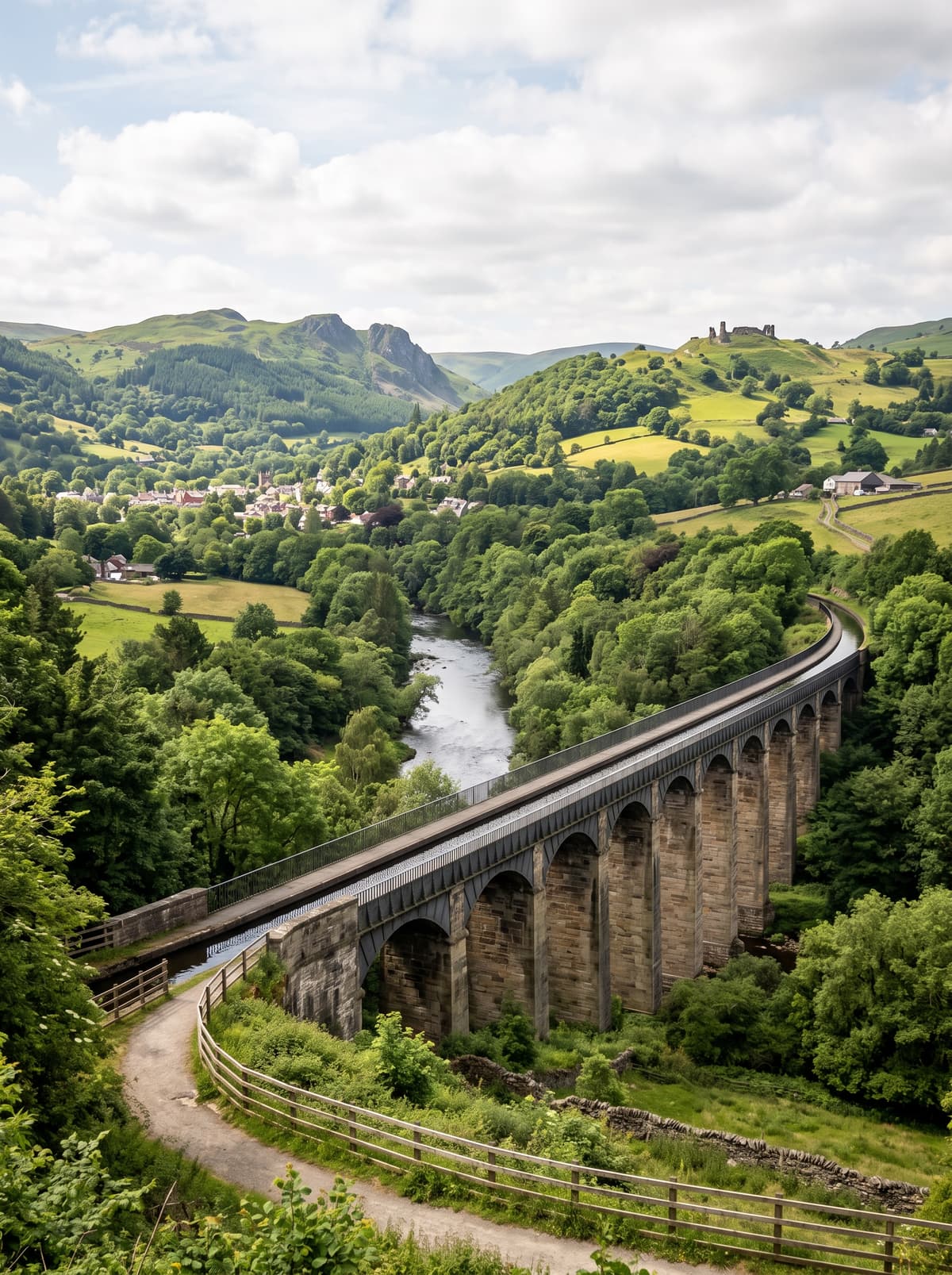
A canal boat crossing a valley in an iron trough thirty-eight metres above the river Dee.
The canal boat leaves the ground. At Pontcysyllte, a few miles down the Dee from Llangollen in Denbighshire, north-east Wales, the Llangollen Canal crosses the whole valley in an iron trough on nineteen stone piers, 38 metres above the river, with a towpath on one side and nothing at all on the other. Thomas Telford and William Jessop built it between 1795 and 1808, and boats have been floating over the treetops ever since.
UNESCO inscribed the aqueduct and eleven miles of the canal in 2009 as a masterpiece of the Industrial Revolution's heroic phase, the first great work of Telford's career; it was the tallest navigable aqueduct in the world for two centuries, and you can walk the towpath across it for nothing or cross by boat from Llangollen Wharf, where horses have been towing passenger boats along the canal for well over a hundred years. Llangollen itself is an old inland resort under a conical hill, with the ruins of Castell Dinas Brân, a native Welsh castle of the thirteenth century, on the summit; its stone bridge over the Dee makes the traditional list of Wales's Seven Wonders, the river beneath it, once worked by coracle fishermen for salmon, is now white water for kayaks and rafts, and the 1865 station across the bridge is the home of a steam railway that runs ten miles up the Dee valley to Corwen. The town's International Musical Eisteddfod has brought choirs from across the world to a pavilion in the meadows every summer since the war, and the Horseshoe Falls, Telford's weir that feeds the whole canal, lies a short walk upstream.
Family
A horse-drawn boat one way, a motor boat over the aqueduct, a steam train up the valley and the castle hill to run up: Llangollen stacks four adventures within a mile of the bridge.
Couple
Walk the towpath across the aqueduct slowly, with the valley falling away under the railing, then a drink over the rapids at the Corn Mill as the light goes.
Friends
Raft or kayak the Dee, climb to Dinas Brân for the view, and cross the aqueduct on foot on the way back; a group divides cleanly between the brave and the ones who prefer the towpath.
- Pontcysyllte Aqueduct carries the Llangollen Canal across the Dee valley on nineteen cast-iron spans 38.4 metres up, Thomas Telford's first masterpiece and a World Heritage Site since 2009.
- Horse-drawn boats have been pulled along the canal from Llangollen Wharf for a hundred years and more, and motor boats cross the aqueduct itself.
- The ruins of Castell Dinas Brân, a thirteenth-century Welsh castle, crown the conical hill above the town, a stiff walk from the canal.
- Llangollen Bridge over the Dee is another of the Seven Wonders of Wales, and the river below it, once fished from coracles, now runs with kayaks and rafts.
A drink on the wooden deck of the Corn Mill, the thirteenth-century mill turned pub, hung right over the rapids of the Dee with the water wheel turning again beside you.
Hot snacks and real ale in the café bar of the 1865 station, with the steam trains of the Llangollen Railway hissing on the platform outside.
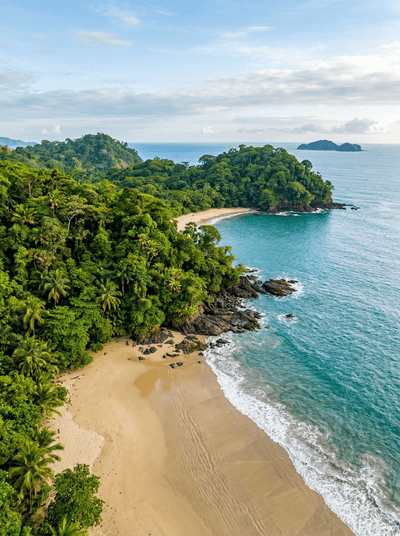
Manuel Antonio
Costa Rica
Capuchins patrol the sand beneath dozing sloths where rainforest walks into the ocean.
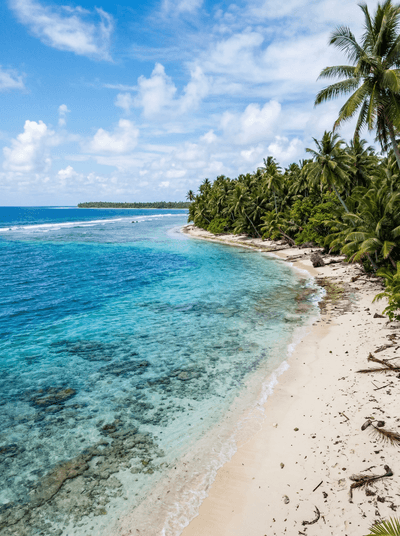
Vaitupu
Tuvalu
Tuvalu's largest island, where traditional sport te ano sends two woven balls flying at once.
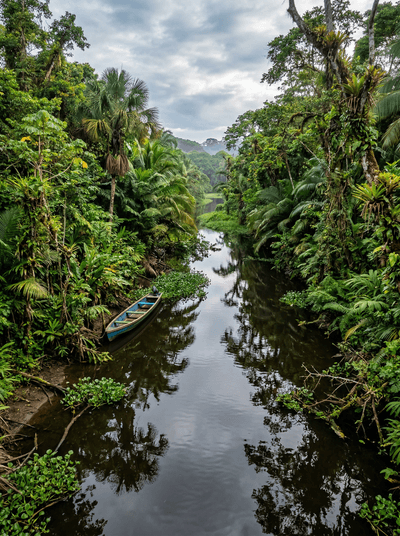
Tortuguero
Costa Rica
Jungle canals where green sea turtles haul onto black volcanic sand under a moonless sky.
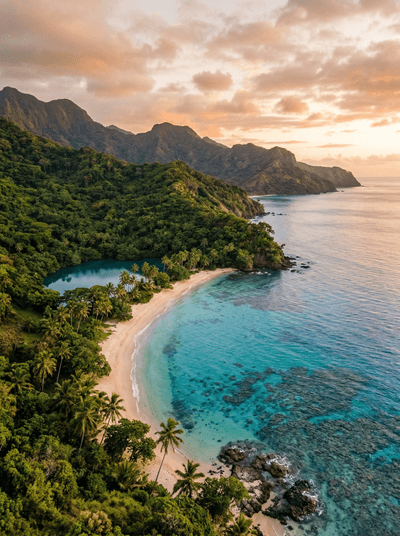
Kadavu
Fiji
Manta rays circle the world's fourth-largest barrier reef, off villages the road barely reaches.
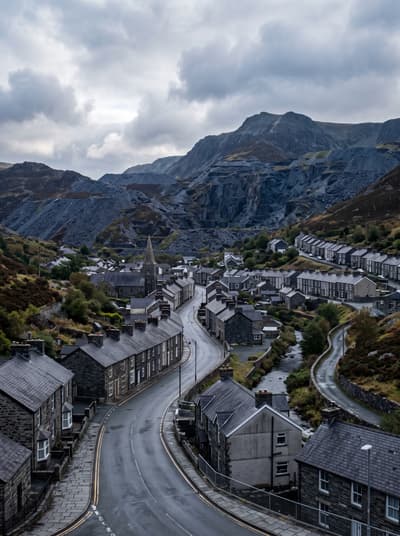
Blaenau Ffestiniog
Wales
The town that roofed the world, where you bounce on trampolines slung inside a slate cavern.
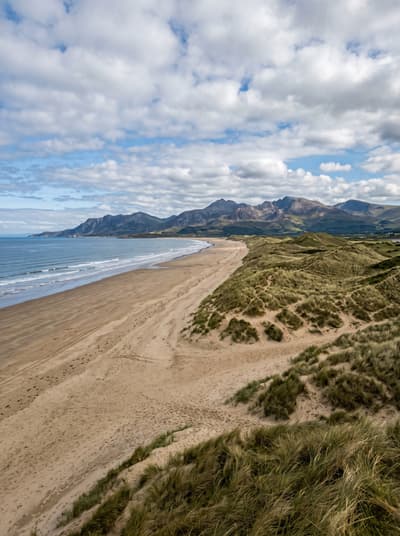
Harlech
Wales
A castle on a crag waiting for a sea that walked away centuries ago.
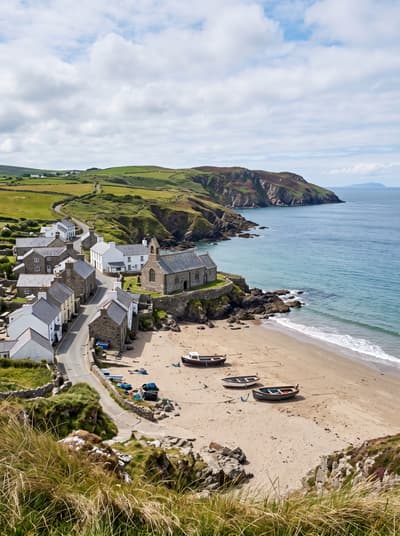
Aberdaron
Wales
A church on the sand where pilgrims ate their last meal before the island crossing.
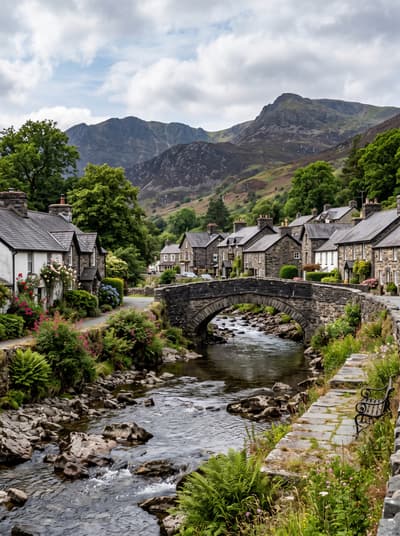
Beddgelert
Wales
A stone village at the meeting of two rivers, named for a legendary dog's grave.