Portugal
Mafra
Bats patrol a palace library by night, guarding 36,000 leather volumes from bookworms.
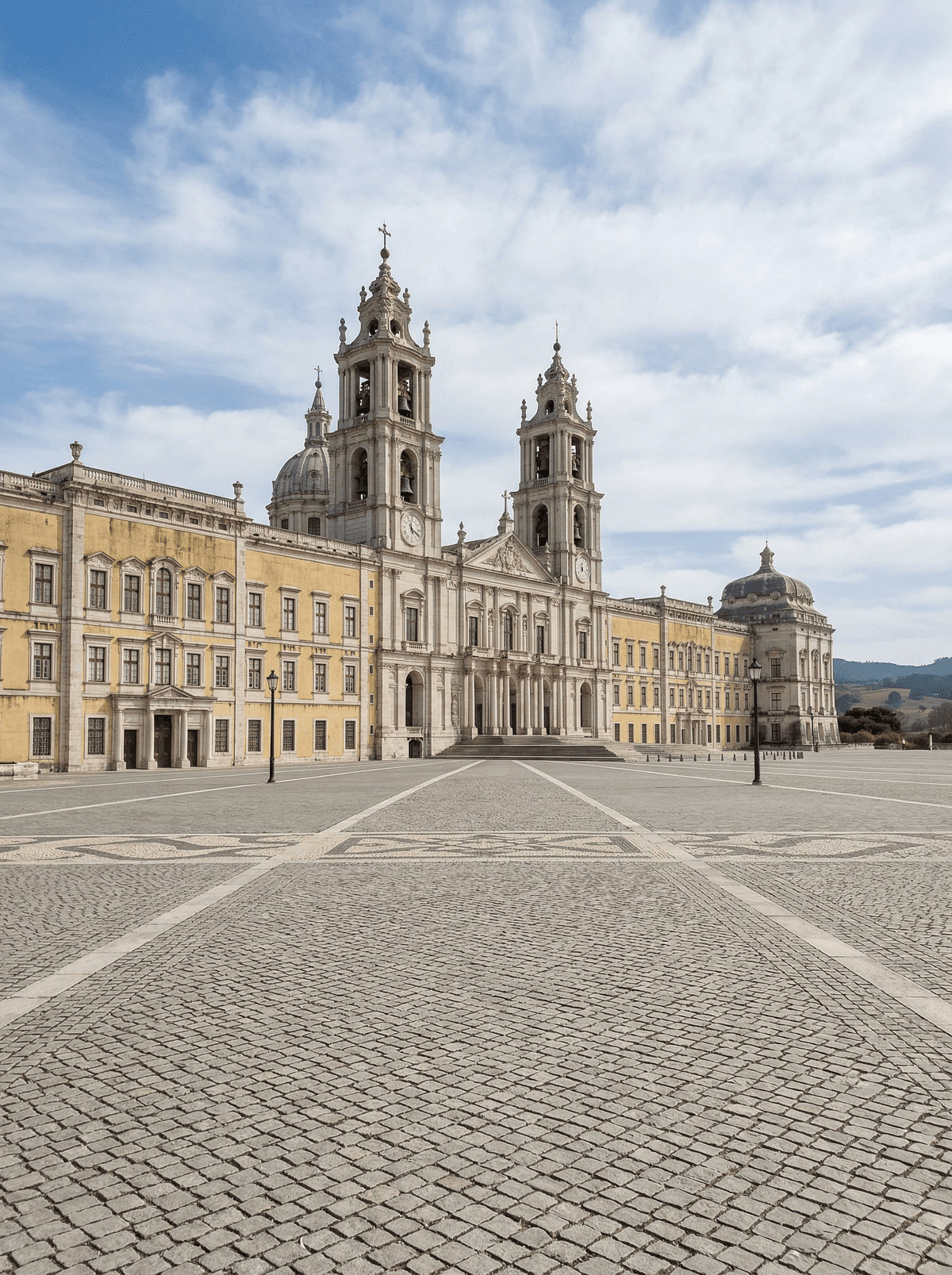
The palace fills the horizon. Hundreds of rooms, courtyard after courtyard, a basilica answering St Peter's — and at its heart a Rococo library where resident bats eat the insects that would otherwise devour 36,000 leather-bound volumes. The bats are not a pest. They are the pest control.
The National Palace of Mafra, UNESCO-listed, is among Europe's largest Baroque buildings — palace, basilica, Franciscan convent, infirmary, pharmacy and library in a single structure, commissioned by João V in 1717 on a vow for an heir and raised over thirteen years by tens of thousands of workers on Brazilian gold. The library runs 83 metres of marble and gilt, its volumes reaching back centuries and its bat colonies encouraged for generations rather than exterminated. The basilica keeps its rare set of six pipe organs built to play together, the towers carry one of the world's great carillons cast in eighteenth-century Liège, and Saramago's Baltasar and Blimunda reimagined the construction into literature. Behind the palace, the walled tapada — the old royal hunting park — spreads its deer-grazed woods behind the palace when the architecture overwhelms.
Solo
Mafra demands a slow, detailed visit — the library, the infirmary, the monks' pharmacy revealing new details on every pass.
Couple
The sheer excess is the charm — wandering hundreds of rooms together, trying to comprehend the ambition, makes a day neither of you forgets.
Family
The bat-guarded library fascinates children, and the walled deer park behind absorbs the energy the state rooms cannot.
Friends
A palace so vast it takes a group to debate properly whether it is magnificent or mad. The answer, naturally, is both.
- One Baroque colossus holds palace, basilica, convent, pharmacy and library entire.
- Library bats have been encouraged for generations — nature hired as conservation staff.
- The basilica's six organs form the only set built to play as one instrument.
- A king's vow and Brazilian gold raised the whole thing in thirteen furious years.
Pão de Mafra — the dense slow-fermented bread with a crust you hear across the table.
Pastéis de nata and a galão at the cafés on the palace square.
Chichén Itzá
Mexico
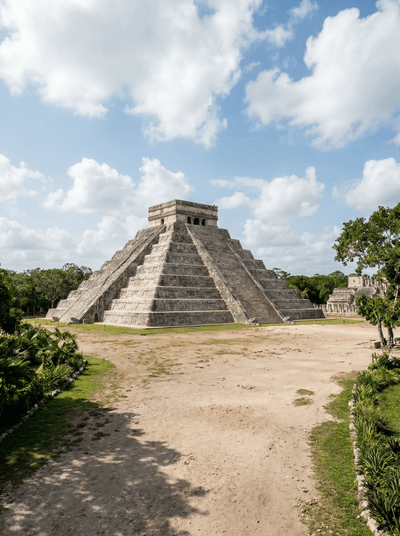
Each equinox a serpent of shadow slides down the pyramid to its stone head.
Teotihuacán
Mexico
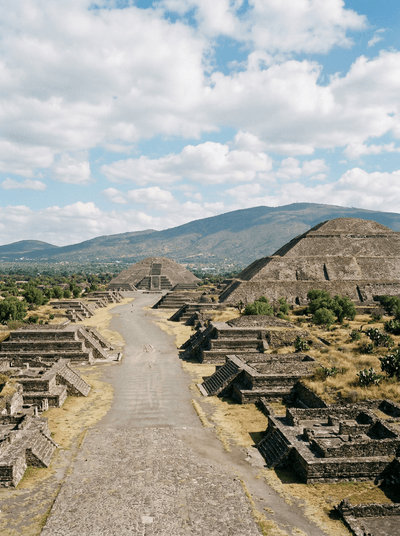
The Avenue of the Dead runs long enough to carry its own horizon.
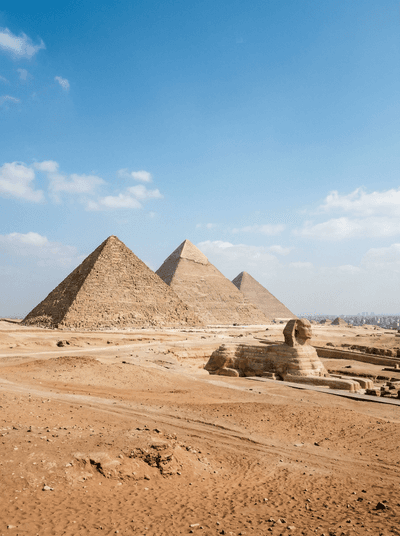
Giza
Egypt
Camel shadows stretch across sand where the last ancient wonder meets the Sahara's edge.
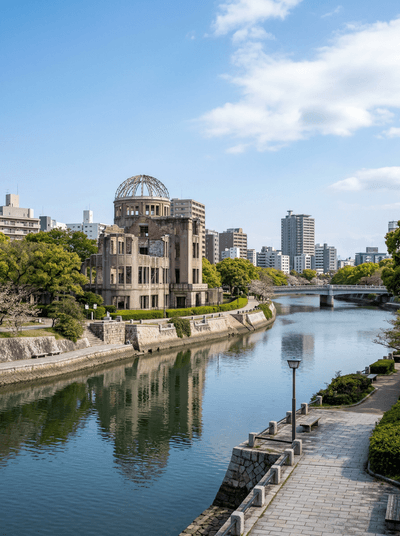
Hiroshima
Japan
Paper cranes by the million beside a dome that refused to fall.
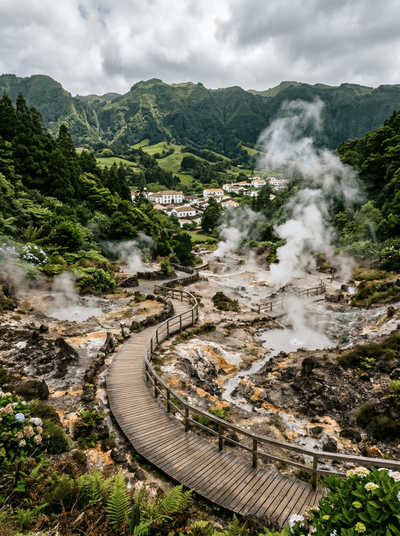
Furnas
Portugal
Hot springs bubble through botanical gardens while stew slow-cooks in volcanic earth.
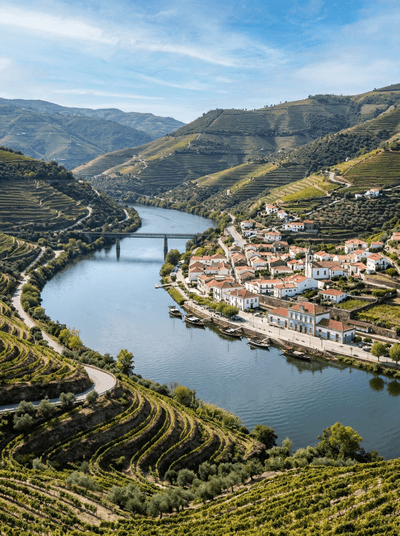
Pinhão
Portugal
Terraced vineyards plunge to the Douro so steep the harvest travels by shoulder.
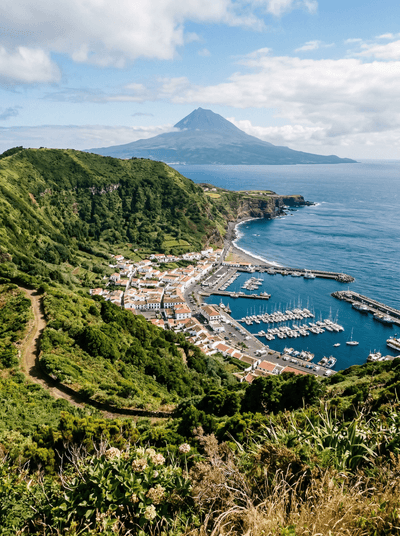
Faial
Portugal
Transatlantic sailors paint crew crests on the harbour walls — decades of voyages in pigment.
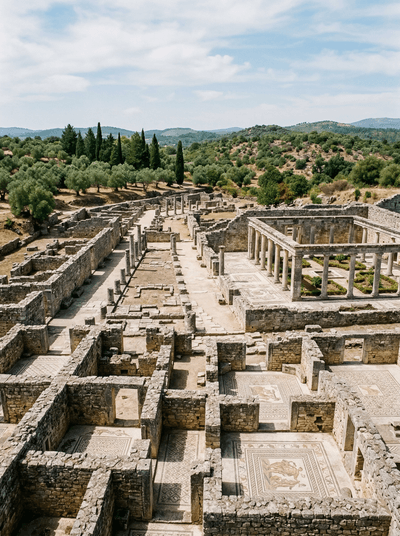
Conimbriga
Portugal
Roman mosaics under open sky, their dolphins still leaping two thousand years on.