Kiribati
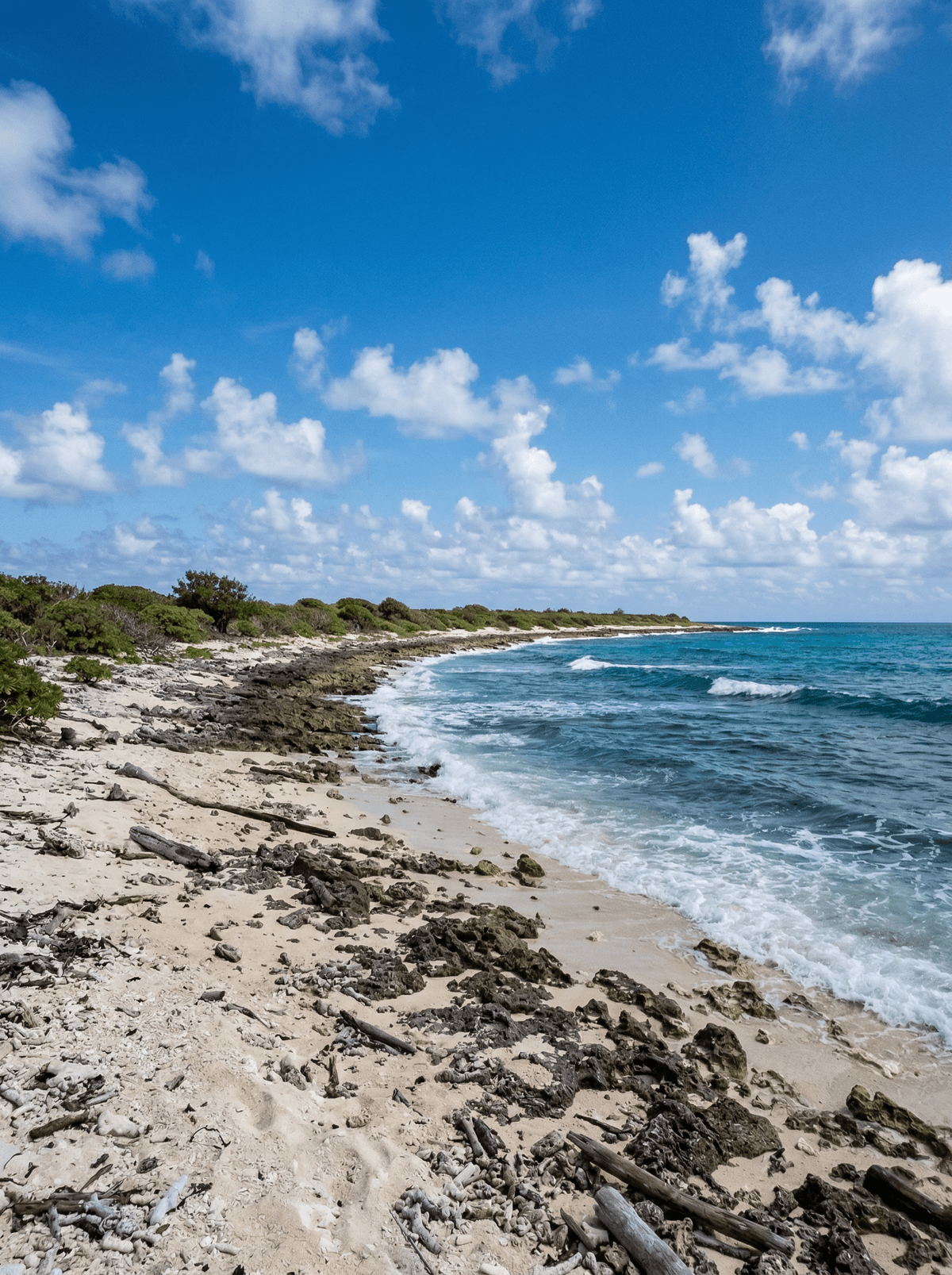
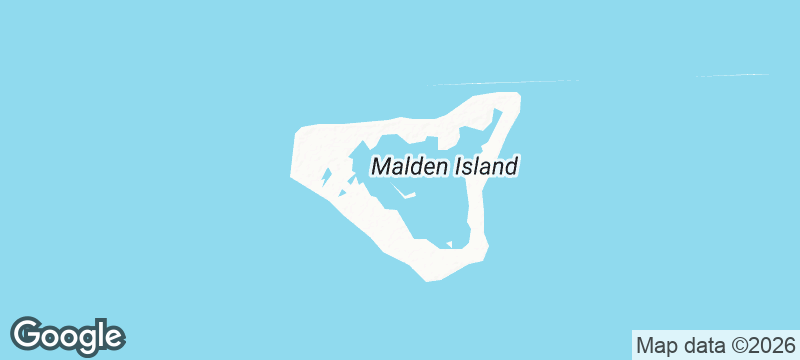
Malden Island
Ancient Polynesian temples stand undisturbed on an island Britain later chose for nuclear tests.
Stone platforms rise from the scrub in rows that no living person can explain. Polynesian hands placed these slabs here centuries ago, then left without a trace. Centuries later, British hydrogen bombs detonated in the airspace above them. Malden Island holds two histories that should never share a sentence — yet here, they occupy the same square kilometre.
Malden Island contains over 50 ancient Polynesian stone platforms — the southernmost known examples of marae architecture in the Pacific — built by a population that abandoned the island centuries before European contact and left no explanation for their departure. In 1957–58, Britain selected Malden as a staging ground for Operation Grapple, detonating hydrogen bombs in the surrounding airspace among the most powerful atmospheric tests of the Cold War. The combination of nuclear history and extreme remoteness has kept Malden in a state of accidental preservation — no commercial activity, no settlement, no tourism — which is why both the ancient marae and the test-era infrastructure survive intact. The island is accessible only by expedition vessel, with no functioning moorings or infrastructure of any kind.
Solo
Malden demands the kind of attention that only solitude provides. Standing among pre-contact marae on ground that later absorbed the fallout of hydrogen bomb tests, you hold two incompatible timelines in your hands simultaneously — and no one is there to narrate it for you.
- Malden Island contains over 50 ancient Polynesian stone platforms — the southernmost known examples of marae architecture in the Pacific, built by a population that abandoned the island centuries before European contact and left no explanation.
- Britain selected Malden as a staging ground for Operation Grapple (1957–58), using the surrounding airspace and ocean for hydrogen bomb tests among the most powerful detonated in the atmosphere during the Cold War.
- The combination of nuclear contamination history and extreme remoteness has kept Malden in accidental preservation — no commercial activity, no settlement, no tourism — which is why both the ancient marae and the test-era infrastructure survive intact.
- The island is accessible only by expedition vessel; no functional moorings, jetty, or infrastructure of any kind remain, making landings entirely dependent on sea conditions and prior planning.
Expedition provisions only — Malden has been uninhabited for over a century.
Tuna and reef fish from the surrounding waters, cooked over a driftwood fire on the beach.
Ureparapara
Vanuatu
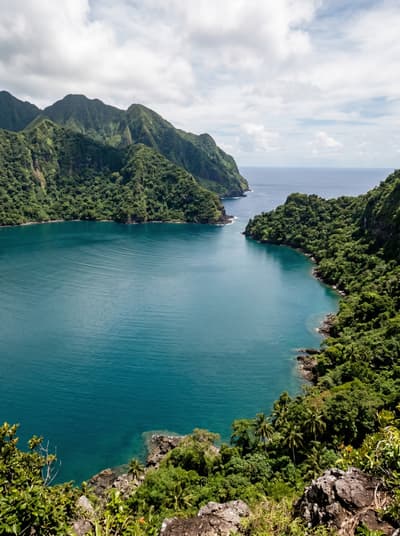
Sail into the flooded crater of a horseshoe-shaped volcanic island where fewer than 500 people remain.
Buracona
Cape Verde
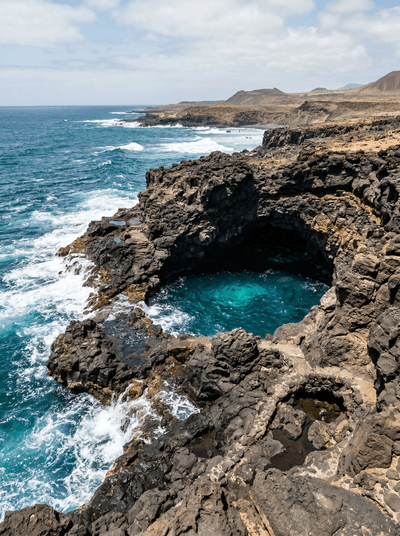
At midday, sunlight plunges through volcanic rock and ignites an underwater cave into electric blue.
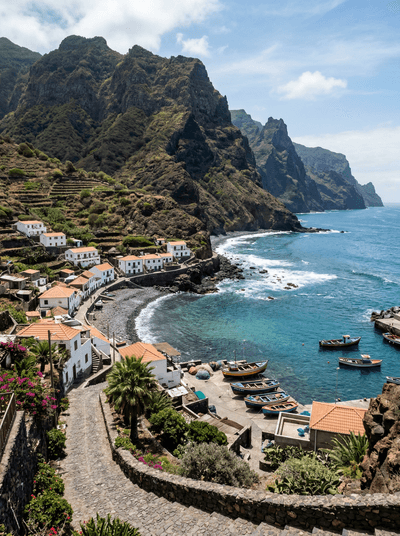
Fajã d'Água
Cape Verde
Hairpin bends drop through bougainvillea clouds to a hidden bay beneath the island of flowers.
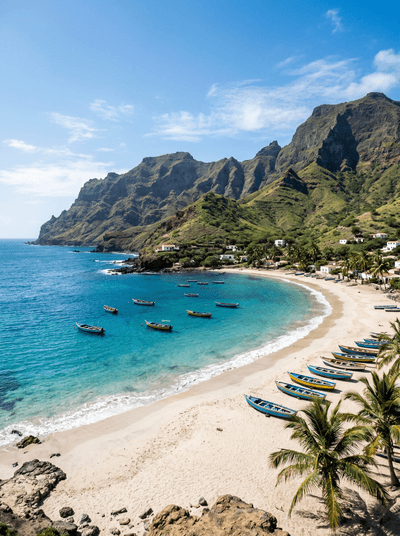
Tarrafal
Cape Verde
A concentration camp turned resistance museum sits behind the cove where political prisoners once swam.
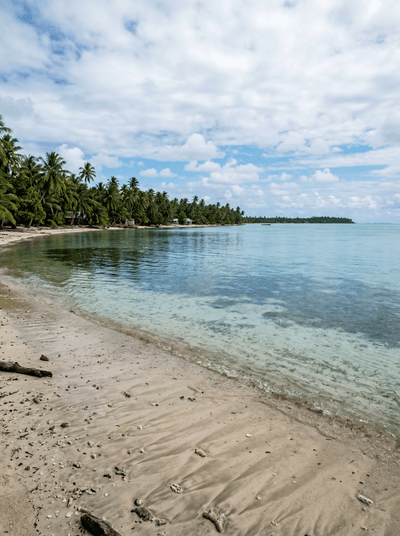
Betio
Kiribati
Rusting Japanese guns still point seaward from beaches where a thousand Marines fell in 76 hours.
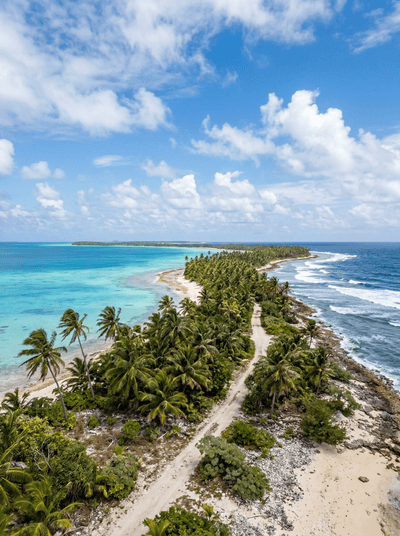
North Tarawa
Kiribati
Wade across turquoise shallows between villages where outrigger canoes are still the only road.
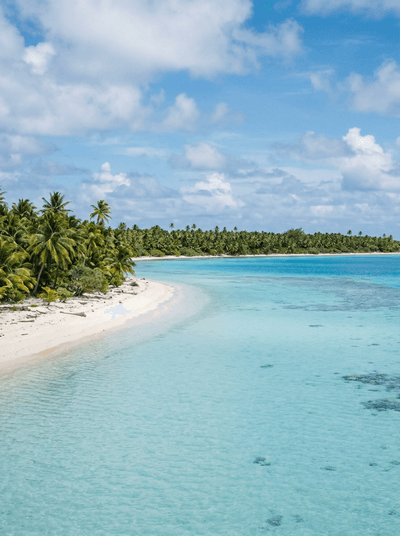
Kiritimati
Kiribati
Bonefishers wade endless turquoise flats while millions of seabirds darken the sky above.
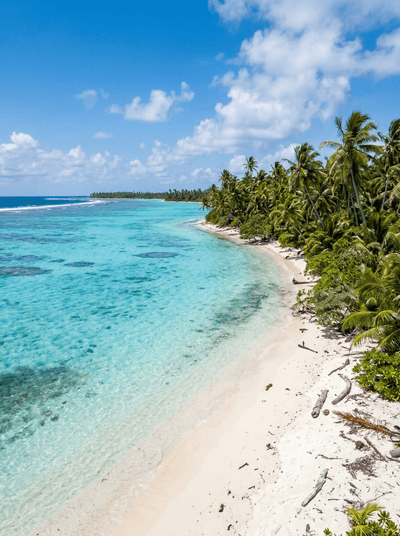
Abaiang
Kiribati
Foundations of a drowned village emerge at low tide — the Pacific already reclaiming this atoll.