Argentina
Esquel
A 1922 steam locomotive wheezes across Patagonian steppe on rails from a vanished century.
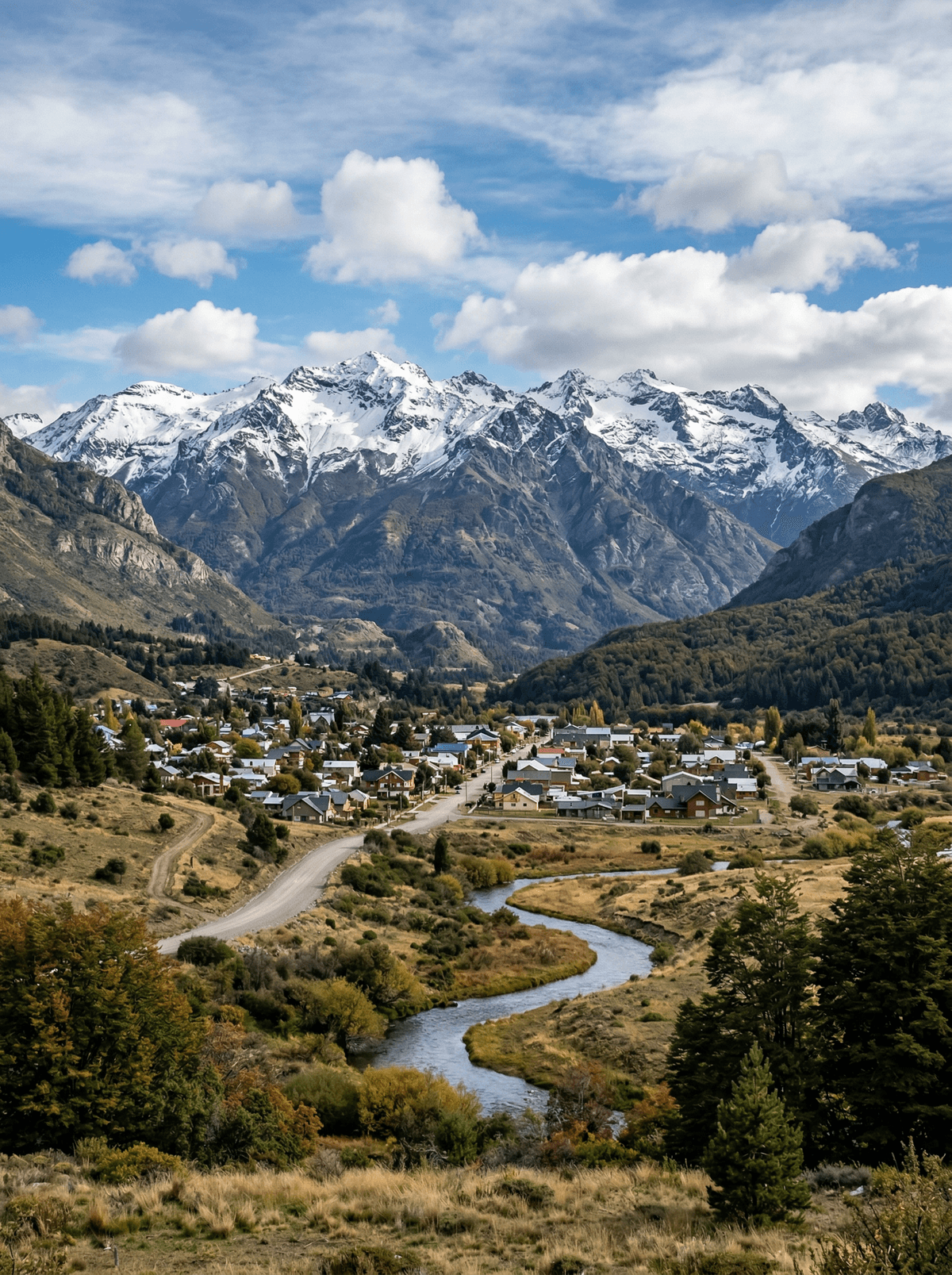
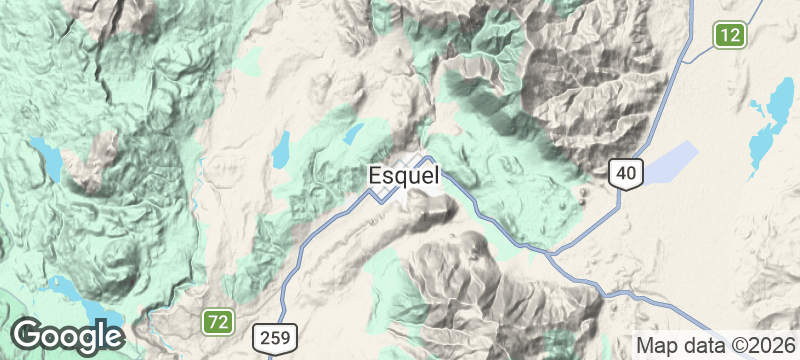
La Trochita has run from Esquel since 1922 on tracks just 750 millimetres apart, its steam locomotives breathing smoke into a landscape where little else has changed since the Welsh settlers came. The town sits where Patagonian steppe gives way to the Andean forest of Los Alerces, and the combination of old-growth alerce country, trout rivers and a working steam railway gives the region more range than its size suggests.
Esquel is the main gateway to Los Alerces National Park — a 1937 creation, on the UNESCO list since 2017 for its surviving stands of the Patagonian alerce, a conifer that can live thousands of years and top 60 metres. La Trochita, the Old Patagonian Express that gave Paul Theroux his title, is among the last working narrow-gauge steam lines anywhere, hauling 1920s wooden carriages to Nahuel Pan, in Mapuche community lands, with the full historic line stretching hundreds of kilometres beyond. The rivers around town draw anglers to trout water, ski slopes open at La Hoya in winter, and the town's character was set as firmly by a vote as by geography — in 2003, residents rejected a gold mine by 81 per cent, and working-Patagonia identity has anchored Esquel since.
Solo
For Patagonia at reduced velocity — the steam line, the alerce forest and the trout rivers do not benefit from being rushed, and the town's working character feels closer to the region's real fabric than its glossier bases.
Couple
La Trochita's carriages one day, a boat through Los Alerces to the ancient alerce the next, and a parrilla each evening — a sequence that makes no concessions to novelty and needs none.
Family
Steam trains, ancient trees and a town scale that keeps everyone within reach of the plaza by lunchtime make Esquel one of Patagonia's most genuinely family-functional bases.
- La Trochita still steams on 750-millimetre track through the steppe, as it has since 1922.
- The locomotives haul wooden carriages from the 1920s at an unhurried pace, as they always have.
- Nahuel Pan station stands in Mapuche community lands beside the line.
- The 2003 mining referendum — 81 per cent against — still shapes the town's identity.
Stream trout pan-fried in butter at a village restaurant with a wood stove.
Welsh tea in Trevelin, the sister colony down the road — torta negra and scones.
Sete Cidades
Portugal
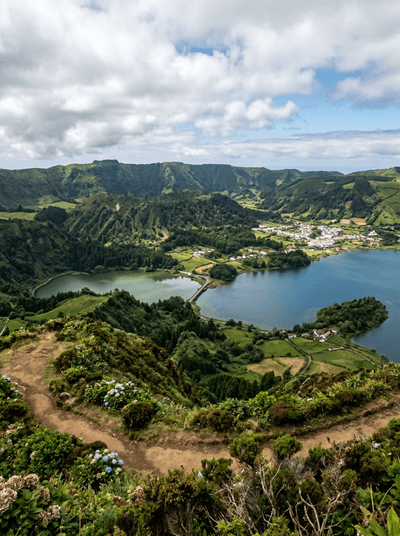
Twin crater lakes, one emerald, one sapphire, filling a caldera wreathed in mist.
Aberdare National Park
Kenya
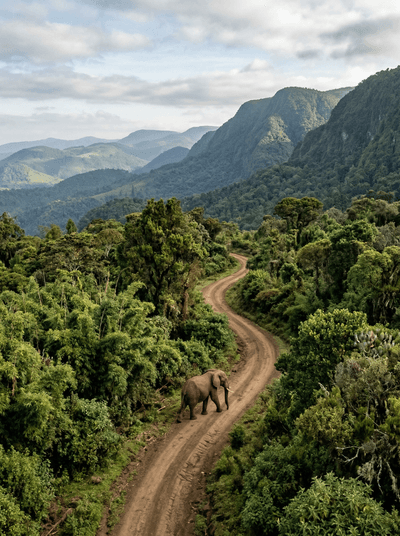
Mist-soaked moorlands and waterfalls above a forest where leopards pass treetop lodges at night.
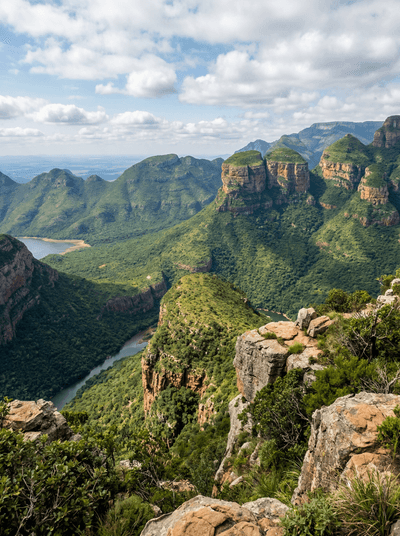
Blyde River Canyon
South Africa
Green canyon walls fold around a blue reservoir beneath three round mountain heads.
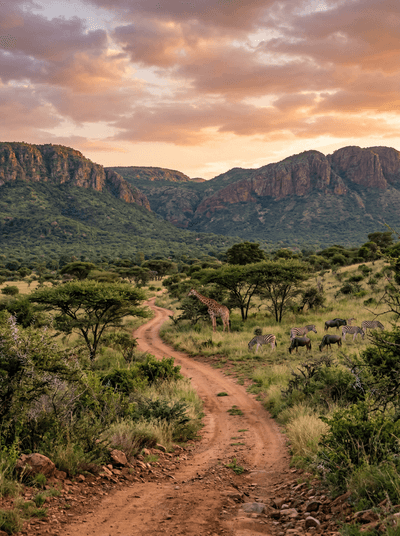
Marakele National Park
South Africa
A mountain road climbs towards a cliff colony of Cape vultures above savanna.
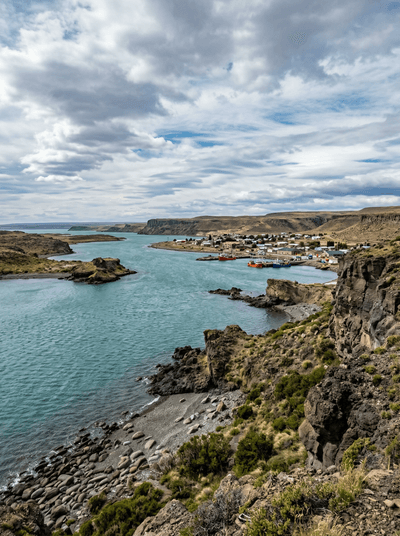
Puerto Deseado
Argentina
Tiny black-and-white dolphins spin through a flooded river canyon meeting the open sea.
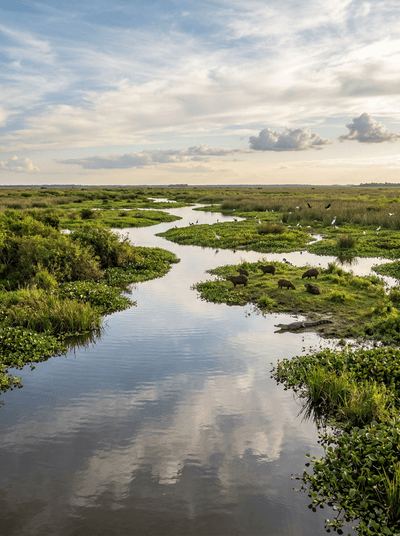
Esteros del Iberá
Argentina
Caiman drift among giant lily pads in a marsh where time itself pools and stills.
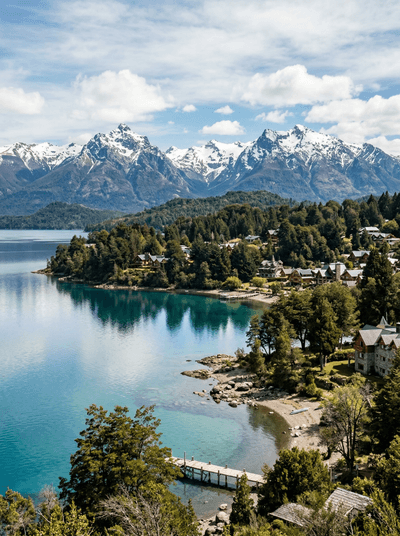
Villa La Angostura
Argentina
Cinnamon-barked arrayán trees crowd a misty peninsula in one of Earth's rarest forests.
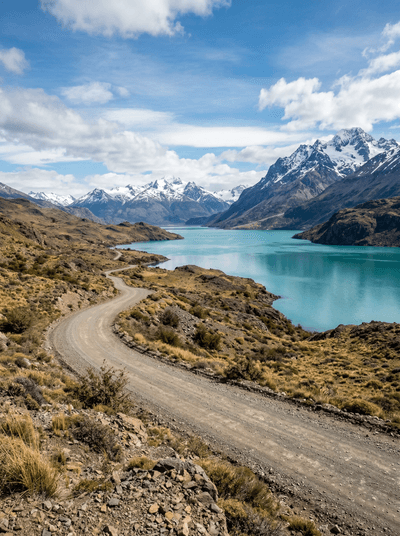
Lago Posadas
Argentina
Twin lakes, one turquoise, one sapphire, divided by a land bridge laced with fossils.