Peru
Marcahuamachuco
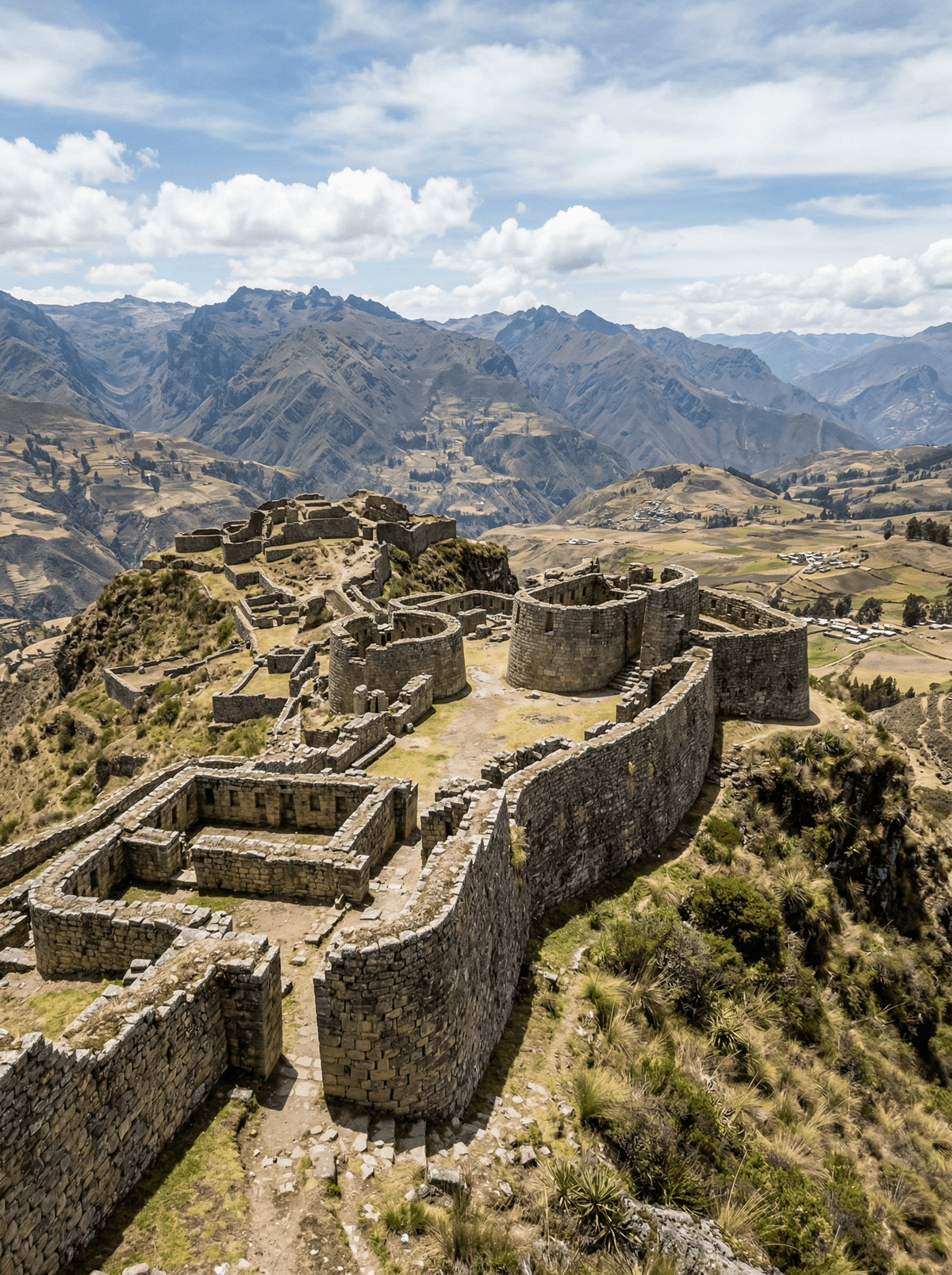
Kilometres of stone galleries crowning a mesa — pre-Inca grandeur without an audience.
Wind moves through roofless stone galleries that follow the hilltop's edge for kilometres, the silence broken by grass and the occasional hawk. Below, La Libertad's valleys spread in every direction, and you stand inside walls that have held this ridge for well over a thousand years — usually without another visitor in sight.
Marcahuamachuco is the northern highlands' great secret: a vast pre-Inca complex on a commanding mesa at around 3,600 metres, built by the Huamachuco culture across centuries — its dating still being refined by archaeology — as what scholars read variously as oracle centre, ceremonial hub and seat of regional power. The architecture does the arguing: curved galleries and circular enclosures with walls rising many metres, straight corridors, niched chambers, walled compounds around courtyards where pilgrims from both slopes of the Andes may once have gathered. The site carries a place on UNESCO's tentative list and next to no tourism apparatus — the visit is arranged from Huamachuco town below, water carried, existing paths followed — and the reward is an afternoon of ancient grandeur that feels discovered rather than consumed.
Solo
A major archaeological site with no crowds and an unhurried circuit — the hilltop is effectively yours, in silence.
Couple
The galleries and courtyards feel like a private ruin, and the ridge panorama makes an afternoon that feels genuinely found.
- Stone galleries and compounds follow the mesa's edge for kilometres.
- Scholars read the complex as oracle, ceremonial centre and regional capital at once.
- A place on UNESCO's tentative list — and almost nobody on the hill.
- Access, hours and guiding are confirmed in Huamachuco town below.
Cuy chactado in Huamachuco — guinea pig pressed flat and fried until the skin shatters.
Shámbar at the market comedores below the ruins, Monday's wheat-and-pulse tradition.
Saint-Guilhem-le-Désert
France
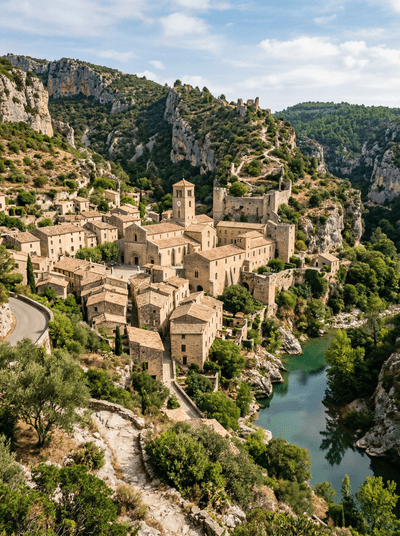
A Carolingian abbey hidden in a gorge where one of Charlemagne's knights retired to pray.
Saint-Jean-Pied-de-Port
France
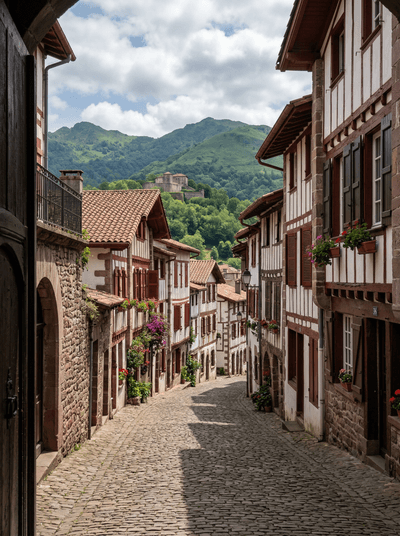
Red-and-white Basque houses on the river where Camino pilgrims take their last deep breath before Spain.
Seonunsa Temple
South Korea
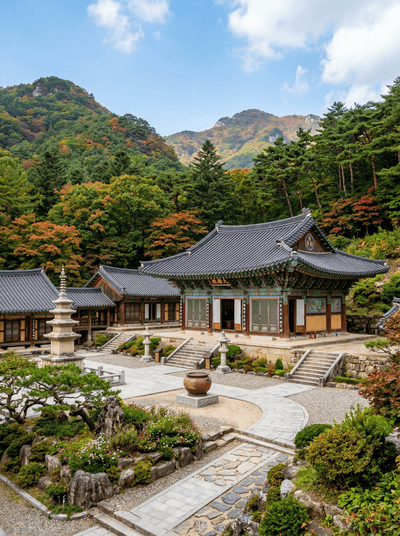
For two weeks each September the temple valley floor turns spider-lily red.
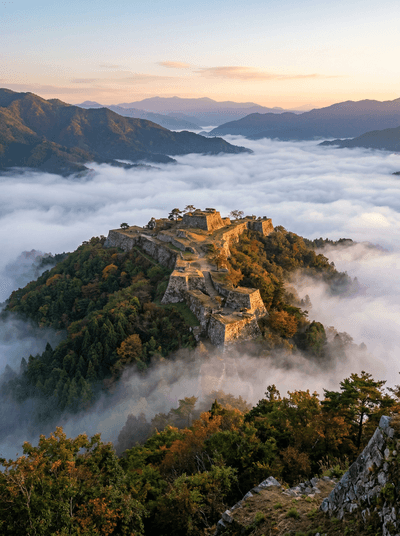
Takeda Castle Ruins
Japan
Stone ramparts adrift on a sea of cloud at dawn — Japan's Machu Picchu.
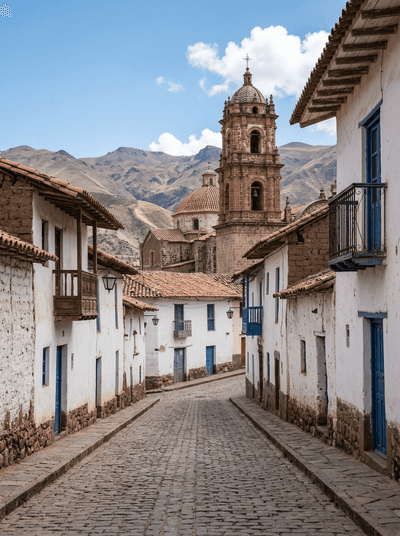
Lampa
Peru
A rose-pink Andean town hiding a full-scale Pietà replica in its colonial church.
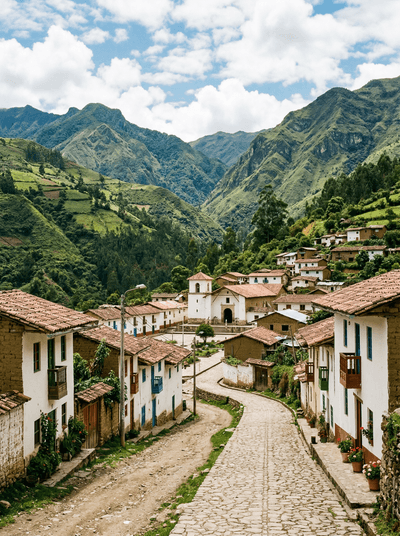
Leymebamba
Peru
A cloud-forest town guarding two hundred rescued Chachapoya dead with personal tenderness.
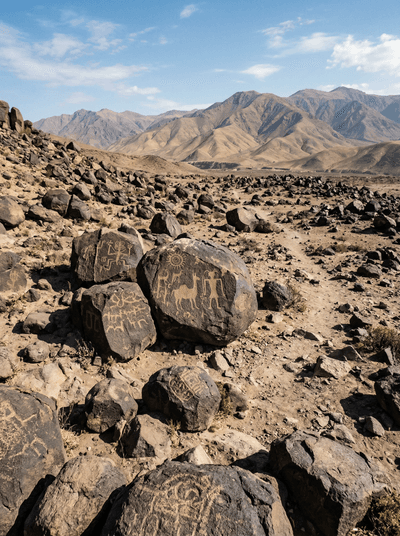
Toro Muerto
Peru
A desert of engraved boulders — thousands of petroglyphs, barely a visitor.
Cajamarca
Peru
The stone room where the last Inca emperor offered to fill the walls with gold.