Peru
Toro Muerto
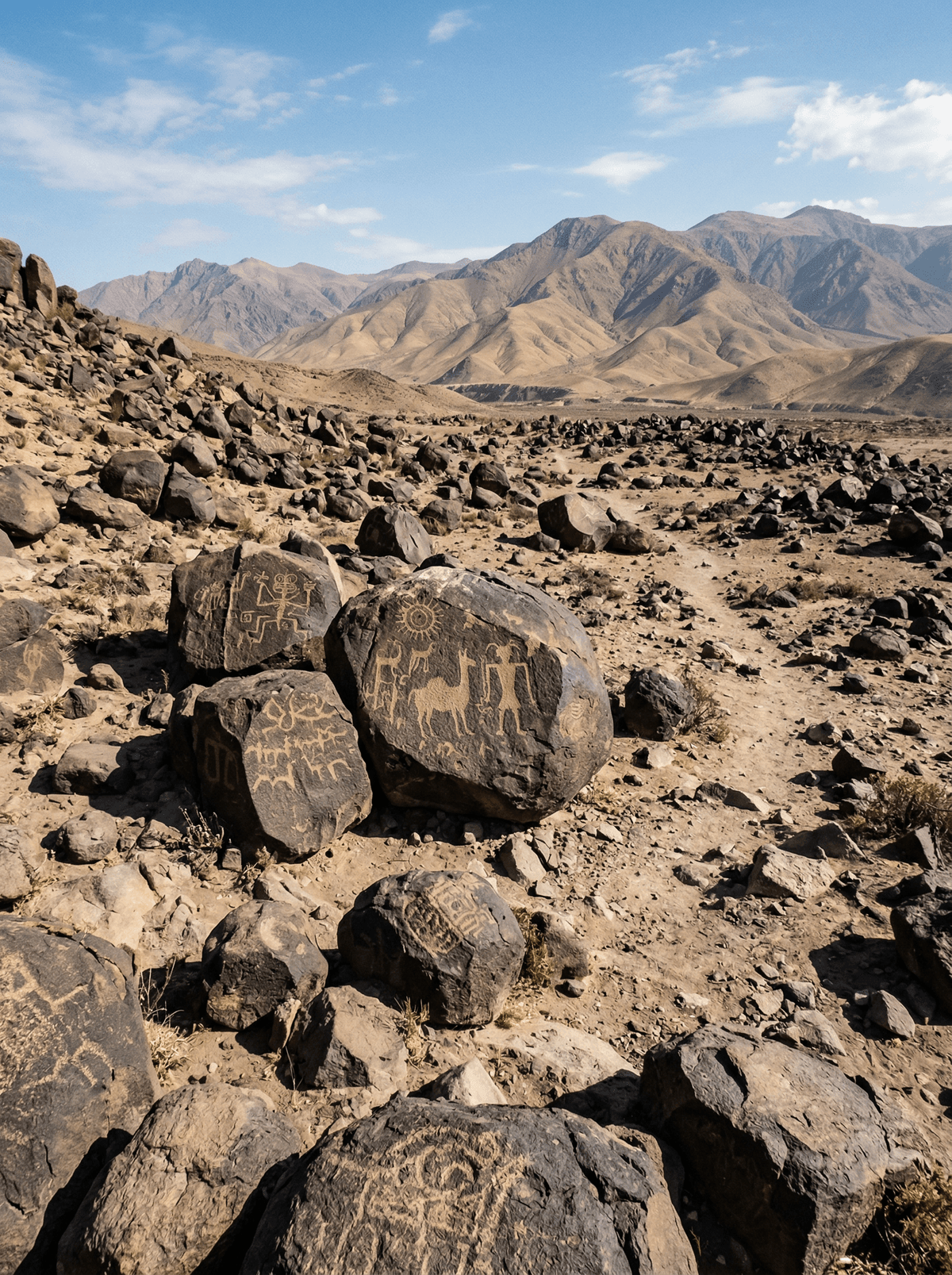
A desert of engraved boulders — thousands of petroglyphs, barely a visitor.
The Majes Valley floor radiates heat. Volcanic boulders lie scattered across the desert slope, and on surface after surface someone has carved — condors, pumas, dancing figures, spirals that might mean the sky or nothing at all. Thousands of petroglyphs, and the sole sound is wind across stone.
Toro Muerto, above the Majes Valley near Corire, ranks with the world's great rock-art fields — a sprawl of engraved volcanic boulders whose petroglyphs run to the thousands, with research still counting and dating them; the site holds national-heritage protection and a place on Peru's World Heritage tentative list. The imagery is a desert bestiary: condors and pumas, deer and serpents, dancers frozen mid-step, geometry whose purpose stays honestly argued. The visit runs on desert rules — register locally, walk the marked route, hands permanently off the fragile engraved surfaces, and go at dawn's first light, when the raking sun cuts every carving into relief and the heat has not yet taken the valley. Corire's river-prawn kitchens close the morning properly.
Solo
Wandering a marked sector at first light, the raking sun drawing carvings fresh out of the stone — desert solitude with substance.
Couple
Thousands of petroglyphs and shifting light in deep desert quiet — a private-feeling treasure hunt with Majes Valley prawns as the prize.
Family
An open-air treasure hunt for children — flat ground, no altitude, and carvings older than the Inca to spot but never touch.
Camarones — Majes river prawns — at Corire tables when the legal season allows.
Local pisco from valley bodegas, strictly after the desert and the driving.
Wai-O-Tapu
New Zealand
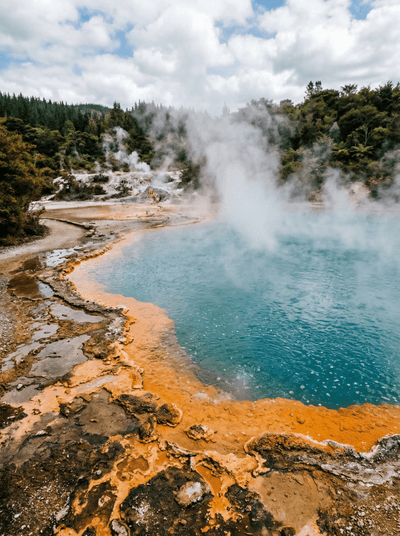
Champagne-fizzing pools and sulphur-green water in a landscape that smells of hell.
Waipoua Forest
New Zealand
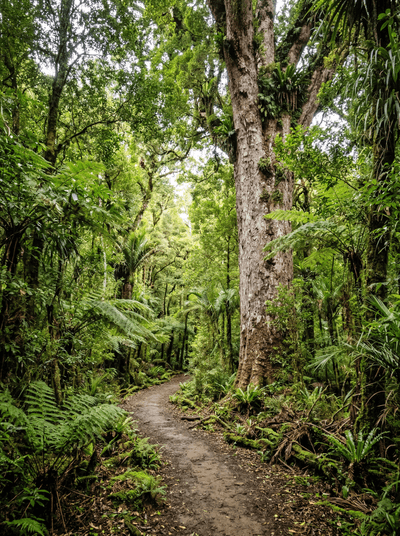
A kauri wider than a house has stood here since before living memory began.
Jubbah
Saudi Arabia
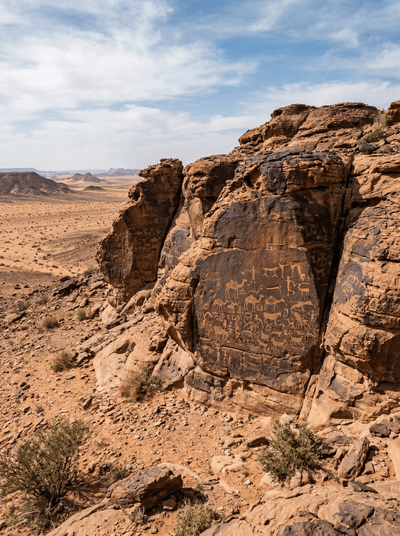
Petroglyphs of camels, ibex and hunters carved into sandstone ten thousand years ago.
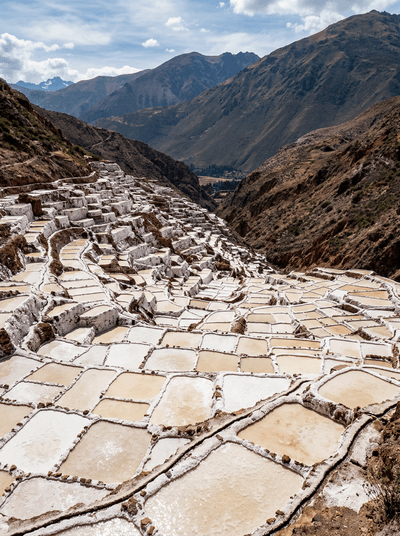
Salineras de Maras
Peru
Thousands of salt pans cascading down a mountainside, hand-harvested since before the Inca.
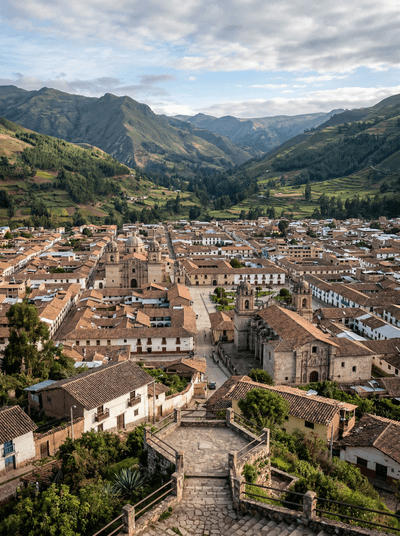
Cajamarca
Peru
The stone room where the last Inca emperor offered to fill the walls with gold.
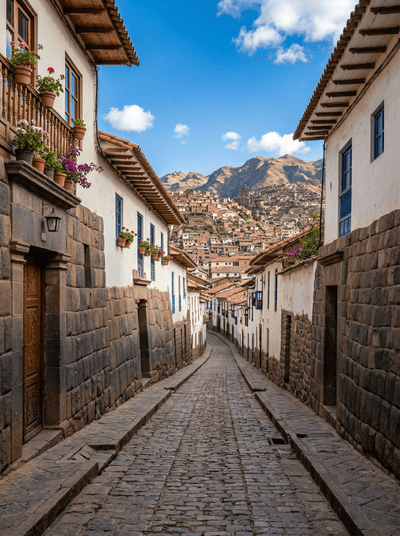
Cusco
Peru
Inca walls fitted so tightly a knife blade won't slide between the stones.
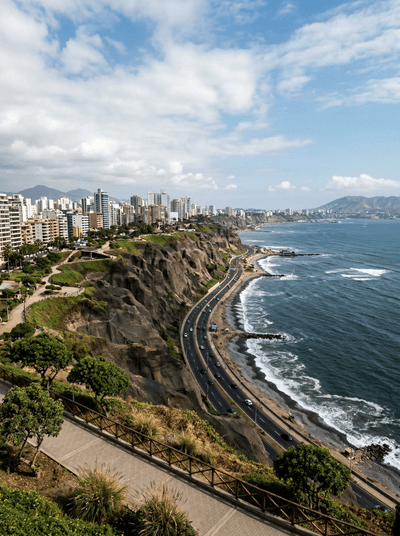
Lima
Peru
Pacific spray on clifftop terraces where ceviche began and the food never stopped evolving.