Kenya
Mau Forest Complex
Ogiek honey hunters scale forest giants in Kenya's largest canopy, smoking out wild hives at dawn.
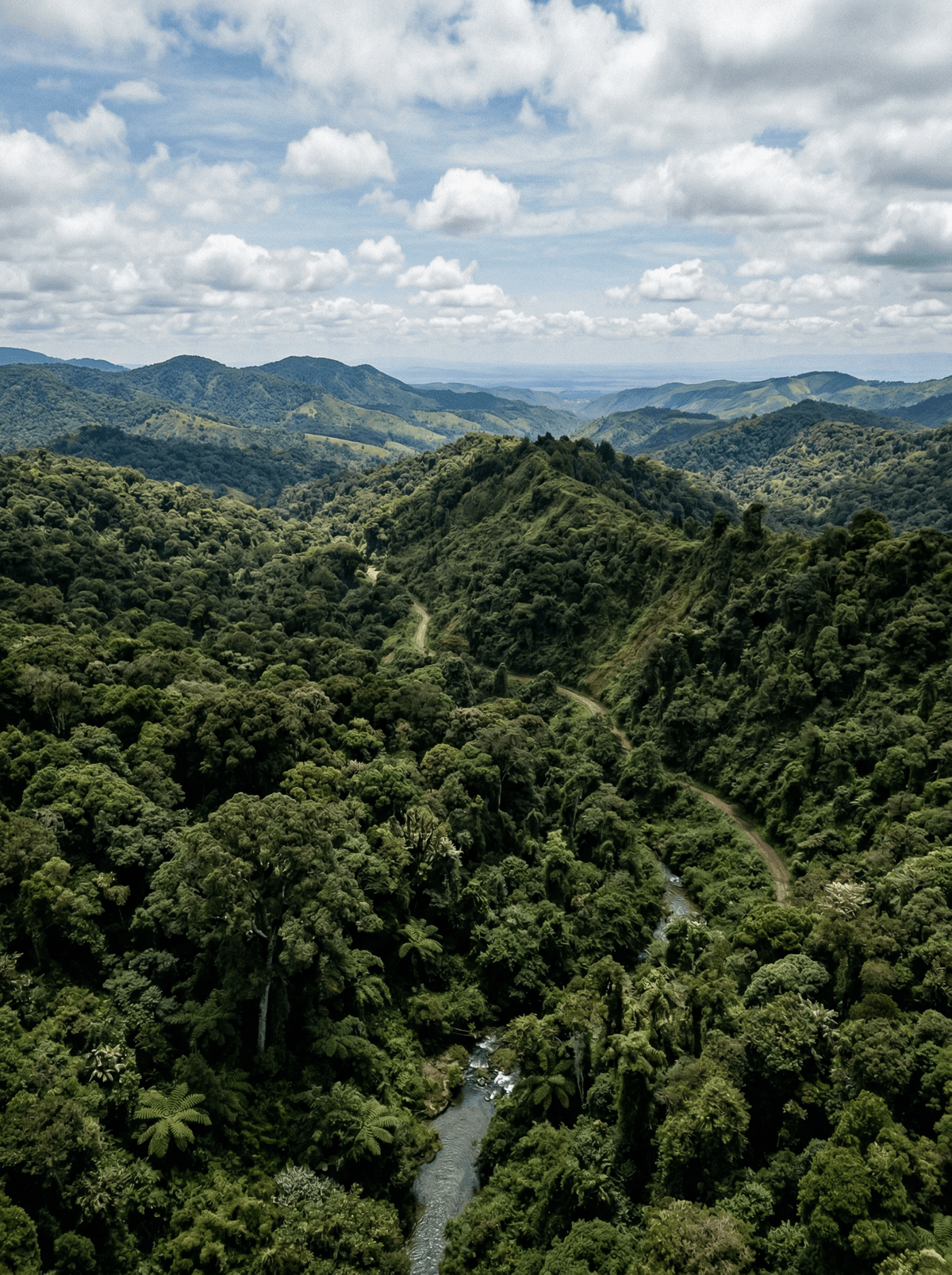
Smoke curls upward through the canopy at first light as an Ogiek honey hunter presses his face to the bark of a forest giant, listening for the hum of a wild hive inside. The Mau Forest Complex spreads across western Kenya in a deep green expanse of indigenous montane woodland — the air damp, the light filtered, the forest floor carpeted in moss and fallen leaves. This is the sound of Kenya's oldest symbiosis: people and trees, neither one making sense without the other.
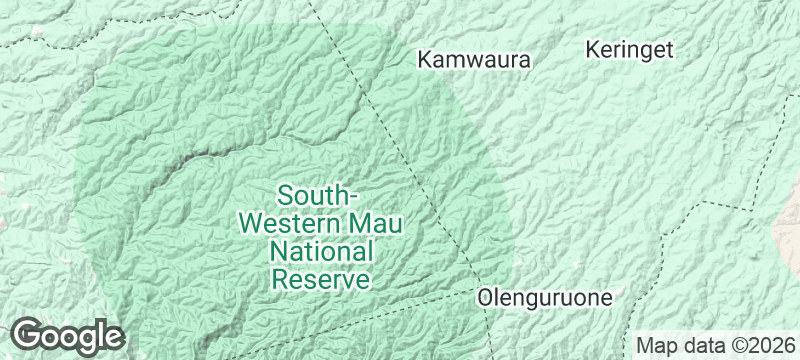
The Mau Forest is East Africa's largest indigenous forest and Kenya's primary water tower, feeding 12 rivers including the Mara (sustaining the Masai Mara ecosystem), the Ewaso Nyiro (sustaining Samburu), and the Nzoia (flowing into Lake Victoria). The Ogiek people have been forest honey hunters here for centuries — their knowledge of over 300 plant species and 100 fungal species underpins the community-led conservation programmes now operating in the remaining forest blocks. The canopy shelters an estimated 1,800 elephants, giant forest hog, bongo antelope, and the African crowned eagle. Roughly 25% of the Mau has been cleared since the 1970s, and the remaining 400,000 hectares exist in active tension between restoration and encroachment — making any visit here a direct encounter with one of Kenya's most contested conservation landscapes.
Solo
Walk with Ogiek honey hunters into the forest canopy and witness a harvesting tradition that predates agriculture in this part of Africa. The Mau rewards patience and attentiveness — the forest reveals itself slowly.
Couple
Community-run forest camps deep in the canopy offer wild mushroom stews, Ogiek honey straight from the hive, and the rare intimacy of sleeping inside a forest that feeds an entire country's river system. The remoteness here is earned and shared.
- The Mau Forest is East Africa's largest indigenous forest and Kenya's primary water tower — it feeds 12 rivers including the Mara River (sustaining the Masai Mara), Ewaso Nyiro (sustaining Samburu), and Nzoia (feeding Lake Victoria).
- The Ogiek people of the Mau have been forest honey hunters for centuries — their knowledge of the forest's 300+ plant species and 100+ fungus species is the basis for community-led conservation programmes.
- The forest shelters significant elephant populations (estimated 1,800 individuals), giant forest hog, bongo antelope, and the African crowned eagle — species rarely seen outside this ecosystem in western Kenya.
- Approximately 25% of the Mau Forest has been cleared since the 1970s — the remaining 400,000 hectares are under active restoration, making visits here a direct encounter with one of Kenya's most contested conservation landscapes.
Ogiek honey hunters share golden forest honey at their settlements deep within the canopy.
Wild mushrooms foraged from the forest floor appear in stews at community-run forest camps.
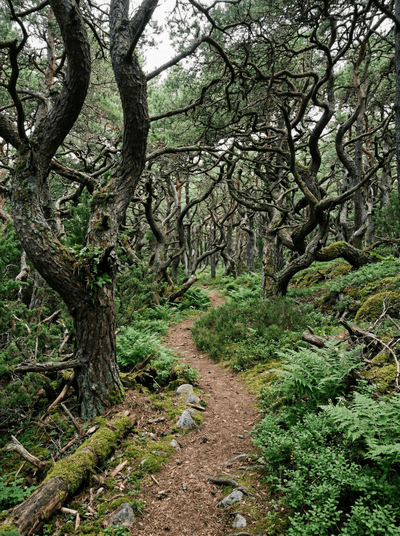
Trollskogen (Öland)
Sweden
A forest of wind-warped oaks so twisted they look like a witch's spell gone wrong.
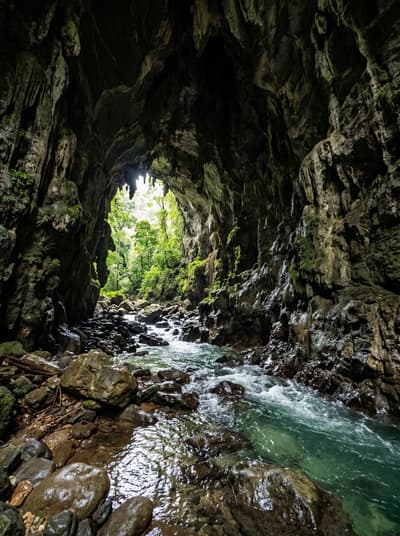
Millennium Cave
Vanuatu
Scramble through jungle and wade chest-deep rivers to a cave you enter walking and exit floating.
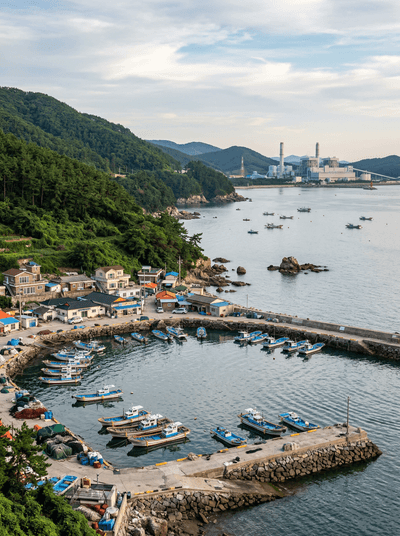
Maryang-ri
South Korea
A five-hundred-year-old forest of camellia trees bleeding red flowers against the grey winter sea.
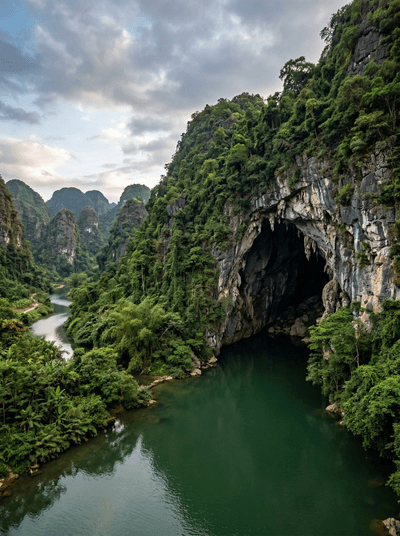
Phong Nha
Vietnam
Hidden jungle portals opening into subterranean river systems and limestone caverns.
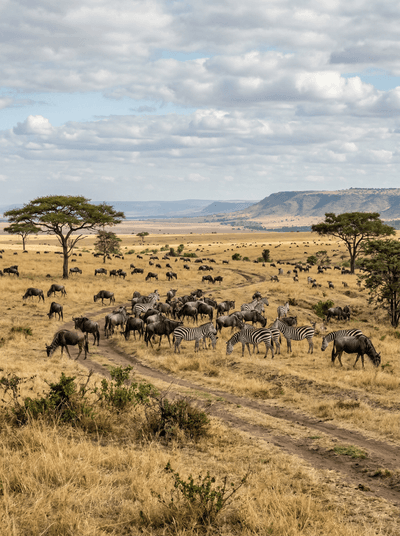
Masai Mara National Reserve
Kenya
Over a million wildebeest thunder across crocodile-thick rivers in Earth's largest land migration.
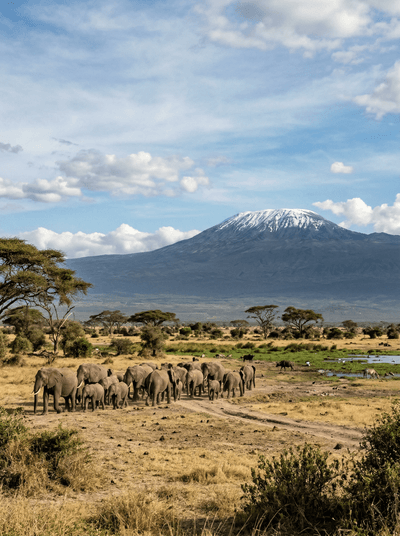
Amboseli National Park
Kenya
Elephants wade through swamp grass with Kilimanjaro's snow-capped peak floating above the haze.
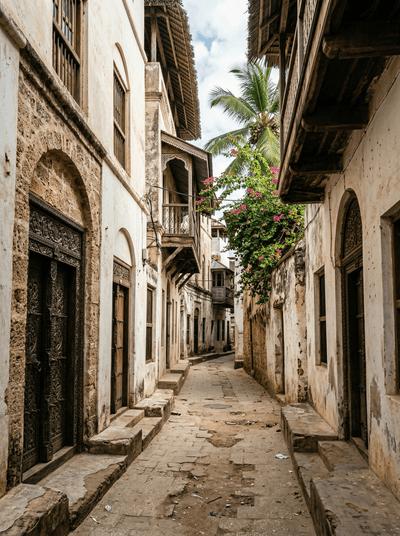
Lamu Old Town
Kenya
Donkeys replace cars on coral-stone lanes where Swahili doors tell centuries of family history.
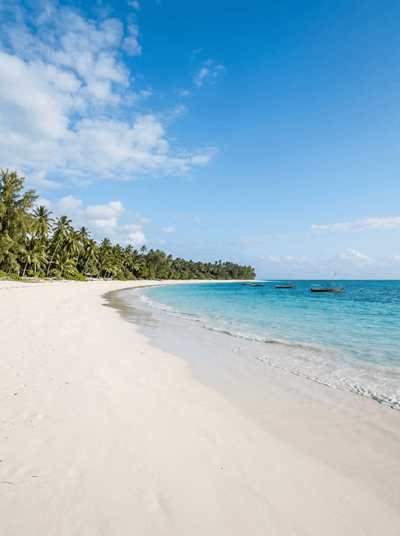
Diani Beach
Kenya
Colobus monkeys leap through the canopy above white sand so fine it squeaks underfoot.