Kenya
Meru National Park
Born Free country — a park that collapsed under poaching and rebuilt itself from ruin.
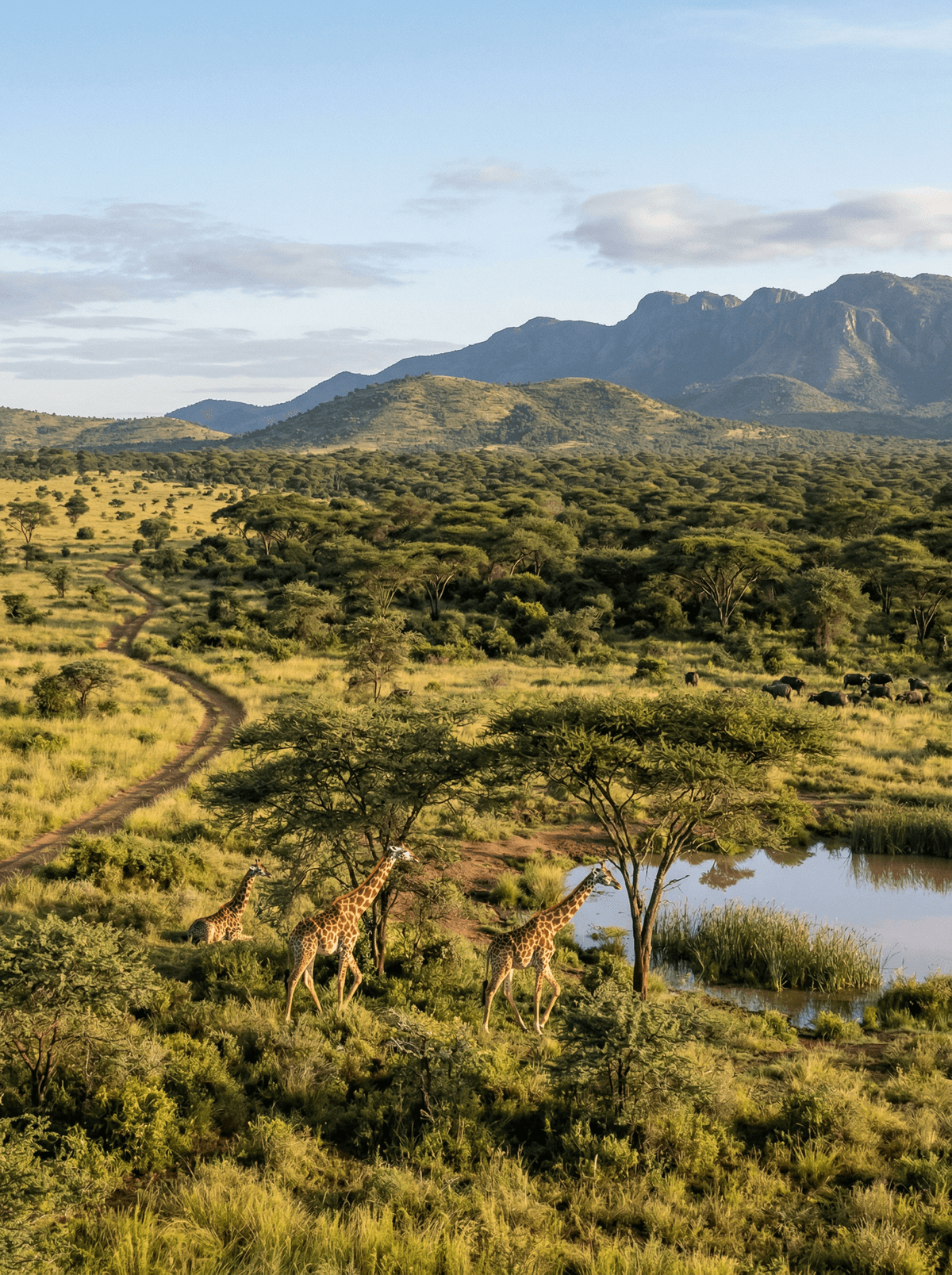
The grasslands run wild and tangled, sliced by palm-lined rivers that swell brown after rain. This is not the manicured savannah of the Mara. Meru is rougher, thicker and quieter — a park that rebuilt itself from near-destruction and earned its second chance the hard way.
Meru is where Joy and George Adamson raised Elsa the lioness and returned her to the wild — the story the world knows as Born Free. Then the park nearly died: by the late 1980s poaching had emptied it of rhino, gutted the elephants and collapsed tourism entirely. Its rebirth is the modern story — a sweeping rehabilitation restocked the wildlife, rebuilt the tracks and reinstated protection, and today elephants, lions, cheetah and both rhino species live here again, the rhinos inside a guarded sanctuary. Thirteen rivers lined with doum and raphia palms lace the bushland, and it sits well off the main safari circuit. Every sighting in Meru carries its history: this is what a second chance looks like with tusks on.
Solo
Far off the main safari circuit — for those who measure a safari in unhurried country, not sightings-per-hour.
Couple
The comeback story deepens every sighting — rhinos grazing where they were once erased feels like witnessing grace.
Family
Born Free brings the park alive for children, and the rivers-and-plains terrain keeps young eyes busy.
- Elsa the lioness was raised and freed here — Born Free's home ground.
- Poaching emptied the park by the late 1980s; a landmark rehabilitation brought it back.
- Black and white rhino both graze again inside the park's guarded sanctuary.
- Thirteen palm-lined rivers thread the bushland — greener, rougher country than Kenya's west.
Riverbank picnics under doum palms between game drives.
Stew and chapati once the driving day ends — simple, right, enough.
Boseong
South Korea
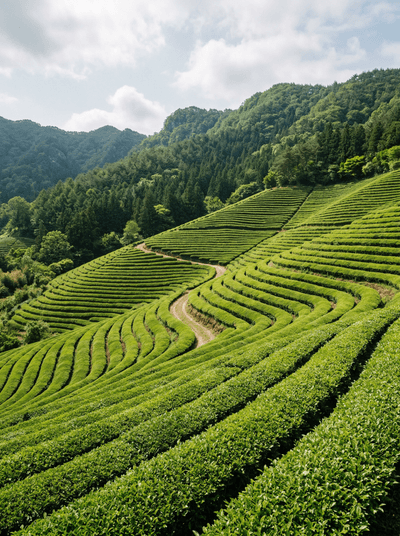
Five hundred hectares of tea rows climb into the morning fog in parallel lines.
Tuz Gölü
Turkey
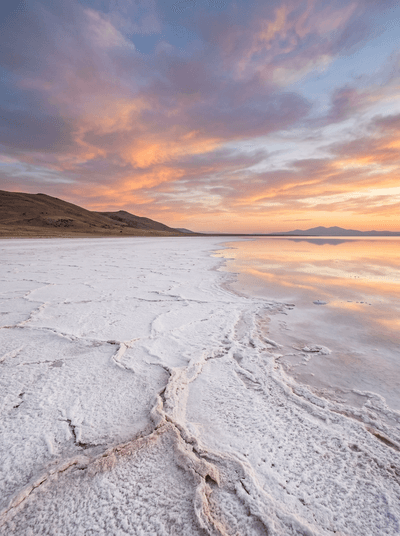
Blinding white salt stretches to every horizon, mirroring the sky when millimetres of water return.
Cathedral Grove
Canada
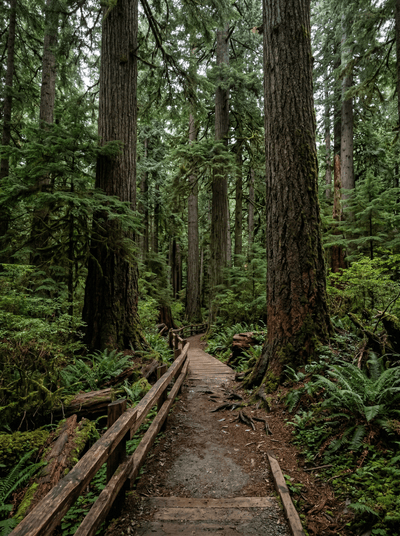
Douglas firs eight centuries old stand within steps of the island highway.
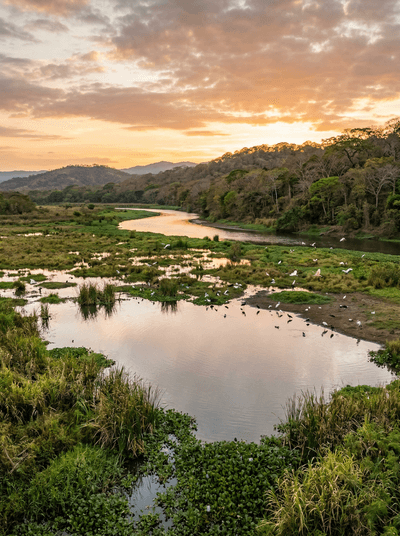
Palo Verde National Park
Costa Rica
Ten thousand hectares of marsh erupt with waterbirds while crocodiles bask below limestone hills.
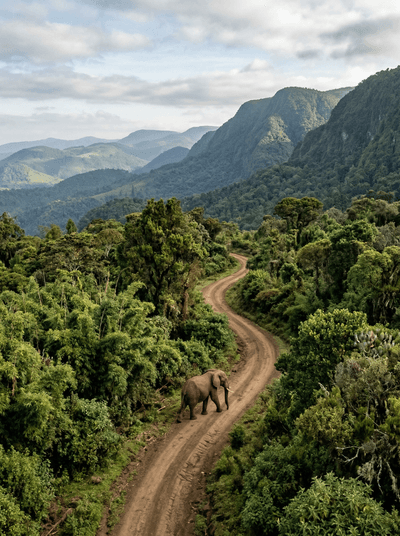
Aberdare National Park
Kenya
Mist-soaked moorlands and waterfalls above a forest where leopards pass treetop lodges at night.
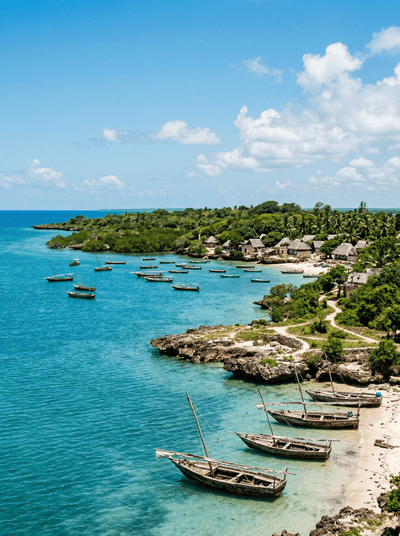
Wasini Island
Kenya
A coral island with no cars or roads, reached by dhow where dolphins live.
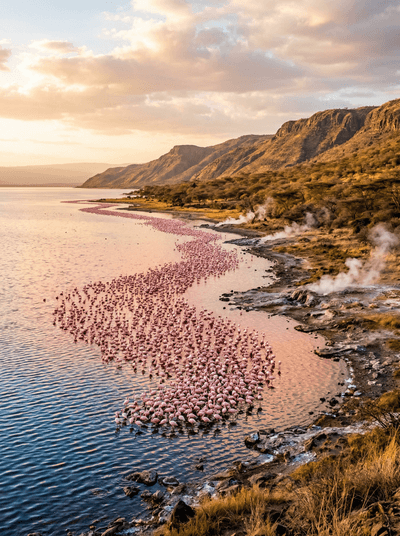
Lake Bogoria National Reserve
Kenya
Geysers erupt beside a flamingo-pink alkaline lake where hot springs boil from fractured earth.