Greece
Agiofarango Gorge
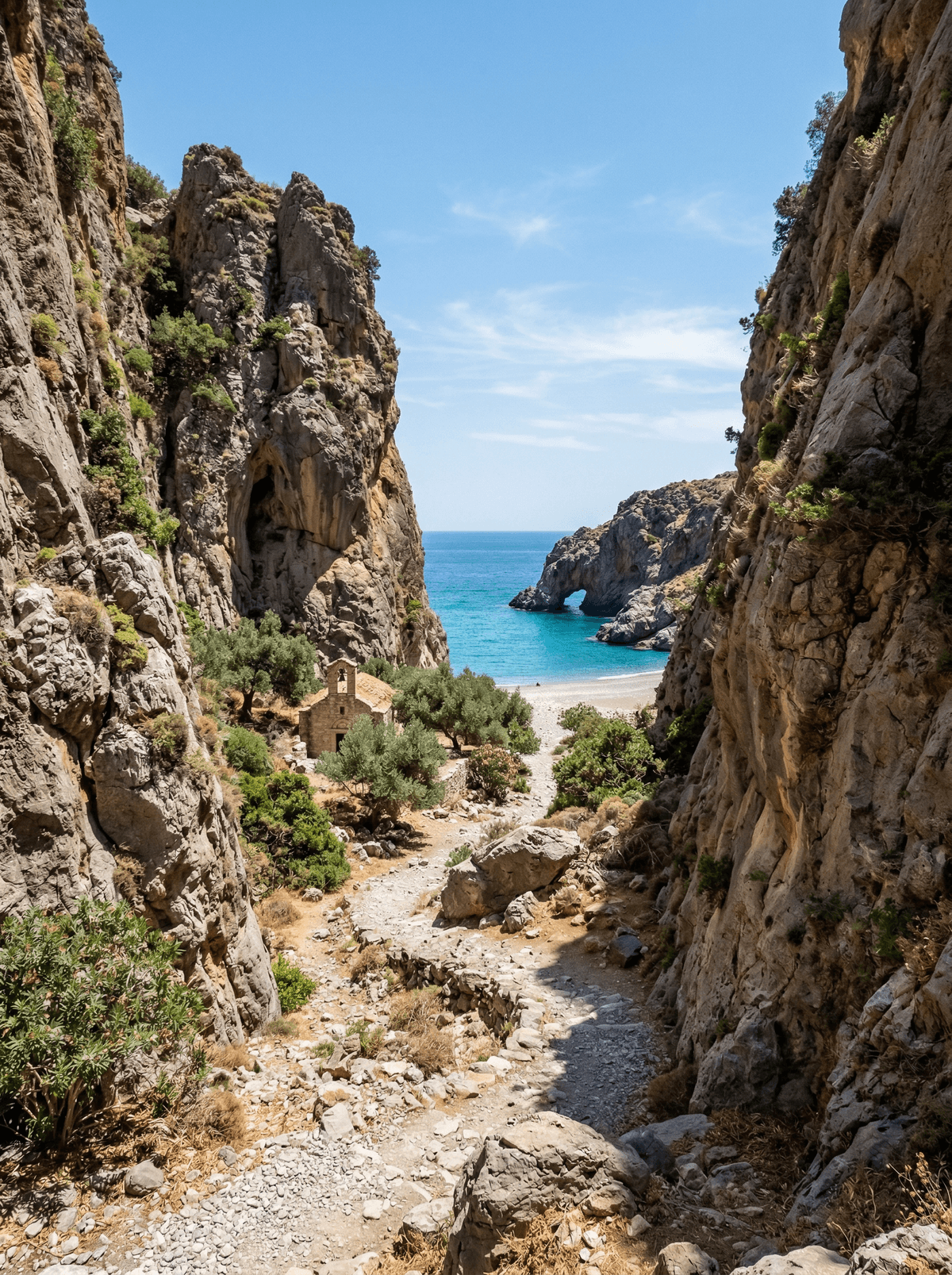
Three hundred hermits once lived this gorge — a cave chapel and the Libyan Sea remain.
A rocky gorge passes caves and a small chapel before opening suddenly onto the Libyan Sea. The beach feels earned, but the heat and lack of services make preparation part of the experience.
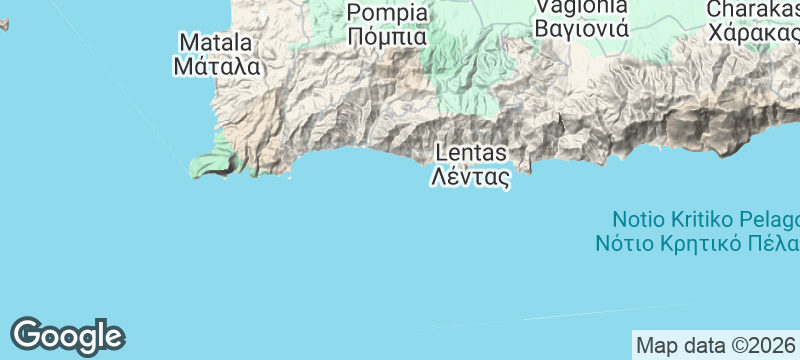
Agiofarango cuts through the Asterousia to a pebble beach with nothing beyond it but the Libyan Sea. Three hundred hermits once lived here in strict solitude, meeting once a year at the Goumenospilios cave, and the chapel of Agios Antonios still anchors the gorge's monastic memory. Carry water and shade: the beach has no road, no kiosk, and no plan B but the walk back.
Friends
A prepared gorge-and-beach day with an early start, carried water and current local advice.
Solo
Experienced independent walkers seeking a stark religious and coastal landscape, with conditions checked first.
- The gorge walk is flat and short enough to feel easy — until the canyon opens on open sea and feels earned.
- Hermit caves pock the walls high above the path — solitude engineered into limestone.
- Agios Antonios chapel still holds services in the gorge; the monastic thread never quite broke.
- The beach at the mouth faces due south — next stop Africa.
Bring your own everything — the beach at the gorge's mouth has no taverna, no shop, nothing but pebbles and sea.
The nearest tables are Matala's, twenty-one kilometres on — octopus and dakos under crumbled xinomyzithra.

Monument Valley
United States
Sandstone mittens casting shadows across a rust-coloured desert frozen mid-creation.
Ilha de Marajó
Brazil
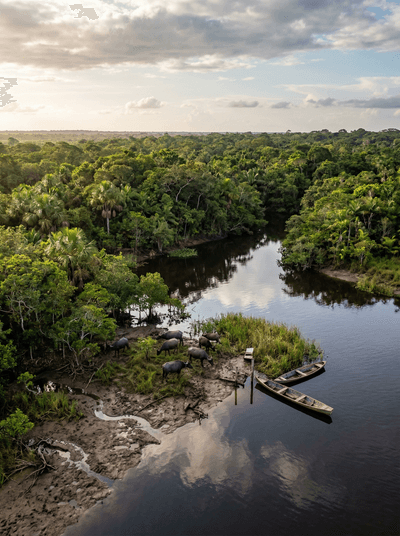
The police here ride buffalo, because the flooded ground defeats anything with wheels.
Cholistan Desert
Pakistan
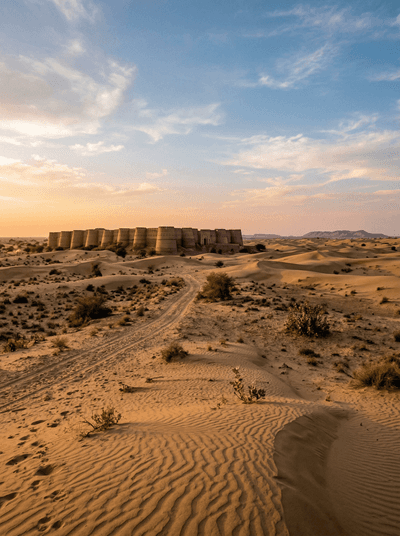
Forty bastions of a forgotten fortress rising from featureless desert where camel nomads still roam.
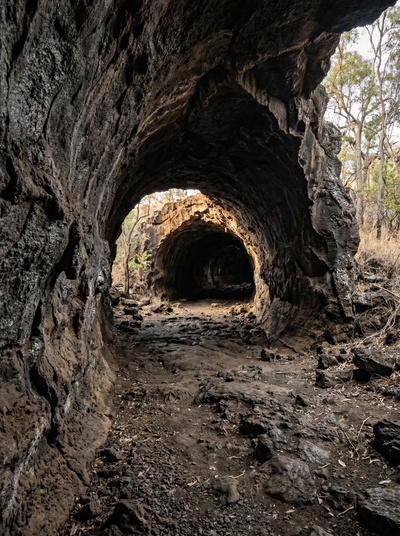
Undara Lava Tubes
Australia
Step through a collapsed roof into tubes hollowed by a vanished river of fire.
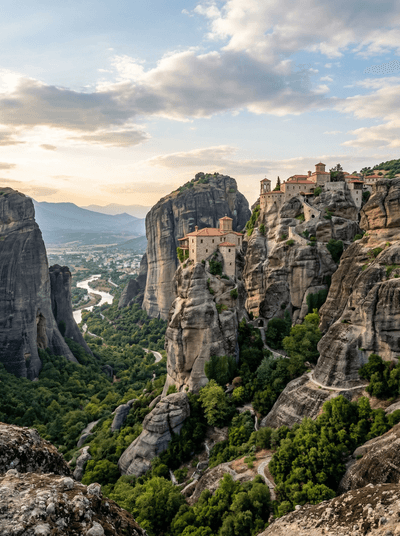
Meteora
Greece
Monasteries balanced on sandstone pillars 300 metres above the plain, reached by rope and faith.
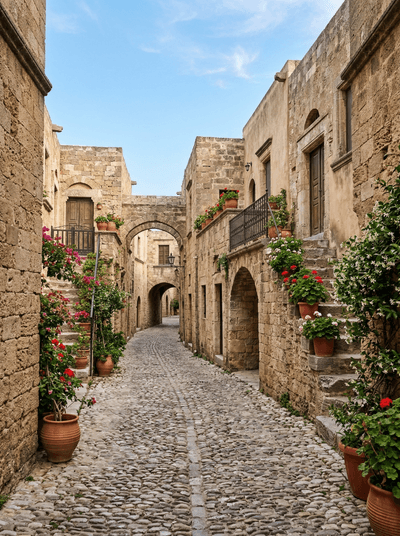
Rhodes Old Town
Greece
Medieval stone streets sealed inside fortress walls where Knights of St John once marshalled for crusade.
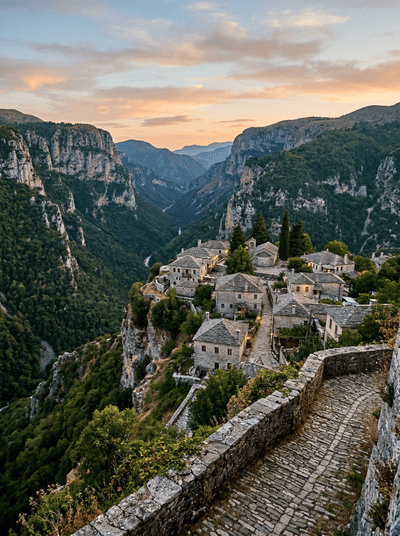
Zagori
Greece
Forty-six stone villages connected by Ottoman bridges spanning one of Earth's deepest gorges.
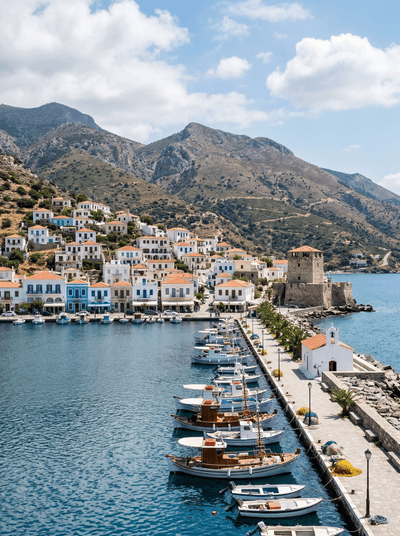
Karystos
Greece
Dragon houses of unknown origin crouch on windswept ridges above Greece's second-largest island.