
Mexico
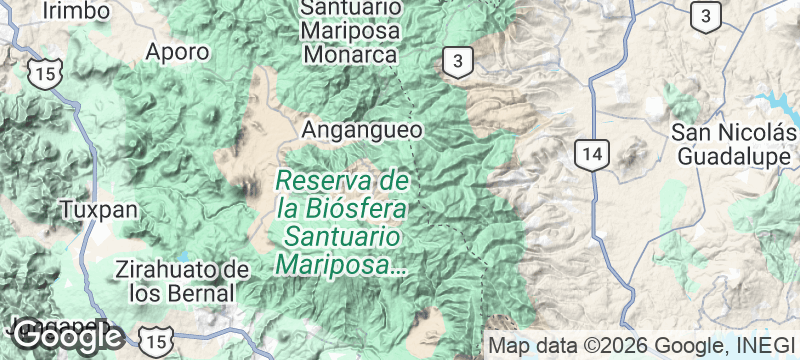
Michoacán Monarch Butterfly Reserves
Millions of monarchs bend fir branches under their weight, wings sounding like light rain.
At first the forest just looks autumn-brown. Then the sun reaches the firs and the brown resolves into wings: thousands upon thousands of monarchs, clustered so densely the branches bow.
Monarch butterflies overwinter in the high oyamel forests of the reserve each year, and selected sanctuaries open from November to March with local guides and strict time limits near the colonies. Cold or cloud can keep the butterflies clustered and still, so visible movement is never promised. The mountain villages around the trailheads supply the warmth the forest withholds.
Family
Ride or walk to the colony slowly and teach the whispering rule before the wings appear.
Couple
Time a sunny mid-winter morning for the best chance of flight.
Solo
Go midweek, guided locally, and give the forest the silence it asks.
- Monarchs overwinter in high oyamel forests across the protected reserve each year.
- Selected sanctuaries open from November to March with local guides and strict time near colonies.
- Cold or cloud can keep butterflies clustered, so movement and visible density cannot be promised.
Angangueo's trout farms send trucha empapelada, trout baked in foil parcels, to the mountain tables.
Quesadillas and hot atole at the sanctuary trailheads answer the forest's cold.
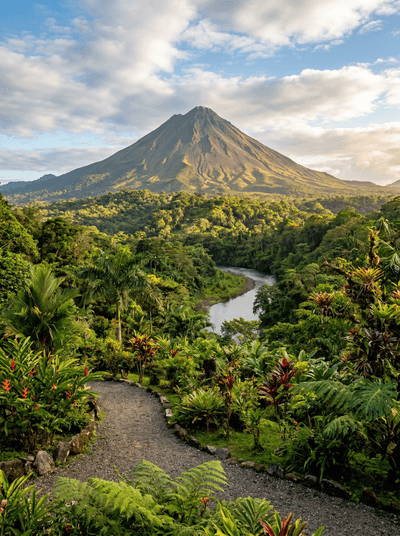
Arenal & La Fortuna
Costa Rica
Hot springs steaming through jungle beneath a volcano's perfect cone at dusk.
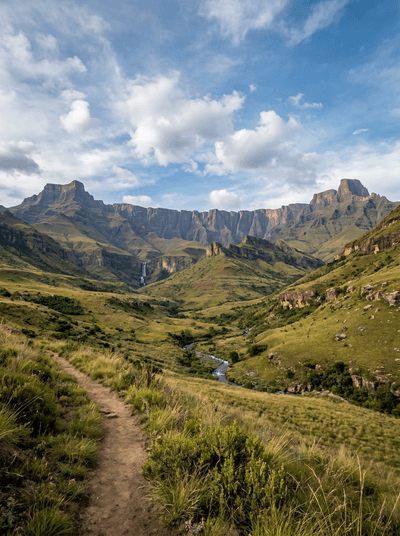
Drakensberg
South Africa
Basalt walls rise above sandstone caves painted across thousands of years.
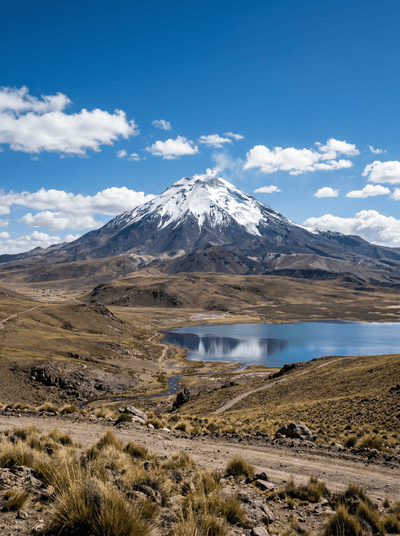
Parque Nacional Volcán Isluga
Chile
Volcanic horizons and high wetlands surround living Aymara settlements in the altiplano.
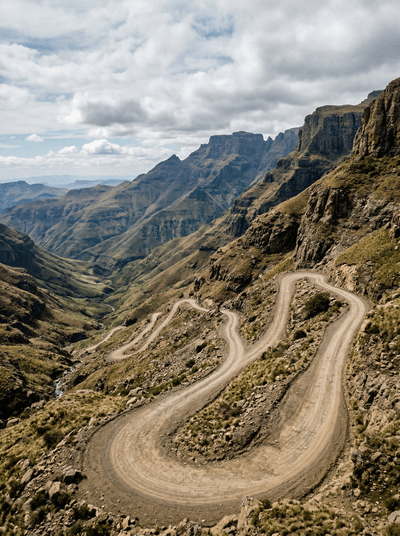
Sani Pass
South Africa
A switchback road climbs from green foothills to a high border above the clouds.
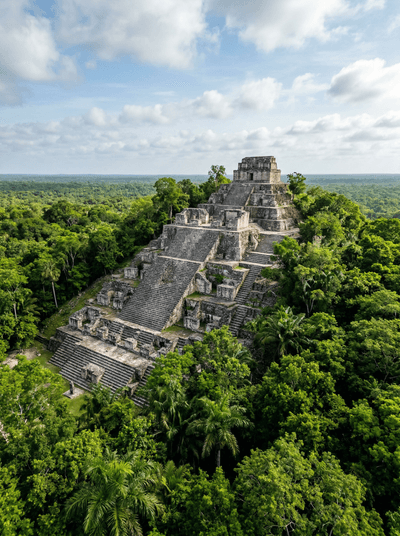
Calakmul
Mexico
A Maya capital's towers still stand above an unbroken sea of forest.
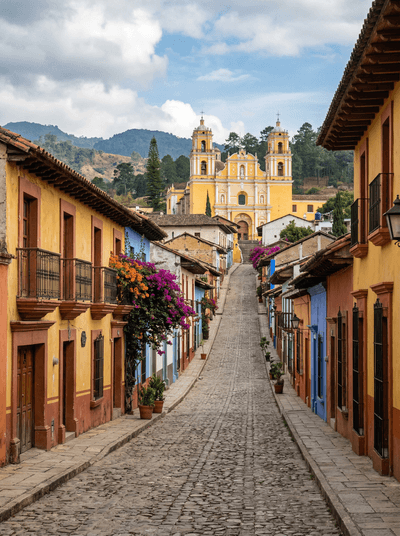
San Cristóbal de las Casas
Mexico
Highland mist, amber workshops and arcaded streets meet in a walkable Chiapas city.
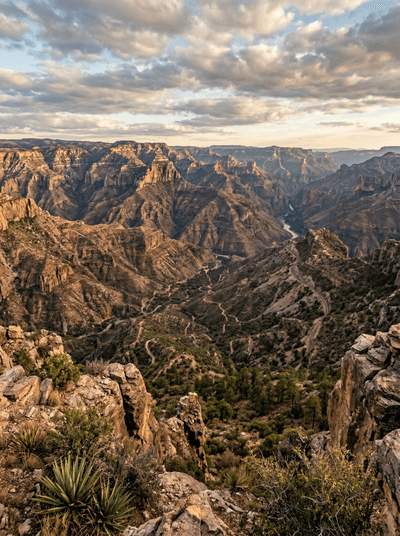
Copper Canyon
Mexico
The Chepe rides through canyon country that runs deeper than the Grand Canyon.
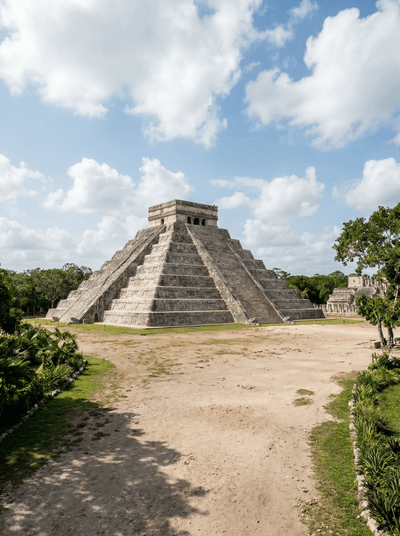
Chichén Itzá
Mexico
Each equinox a serpent of shadow slides down the pyramid to its stone head.