Tanzania
Moshi
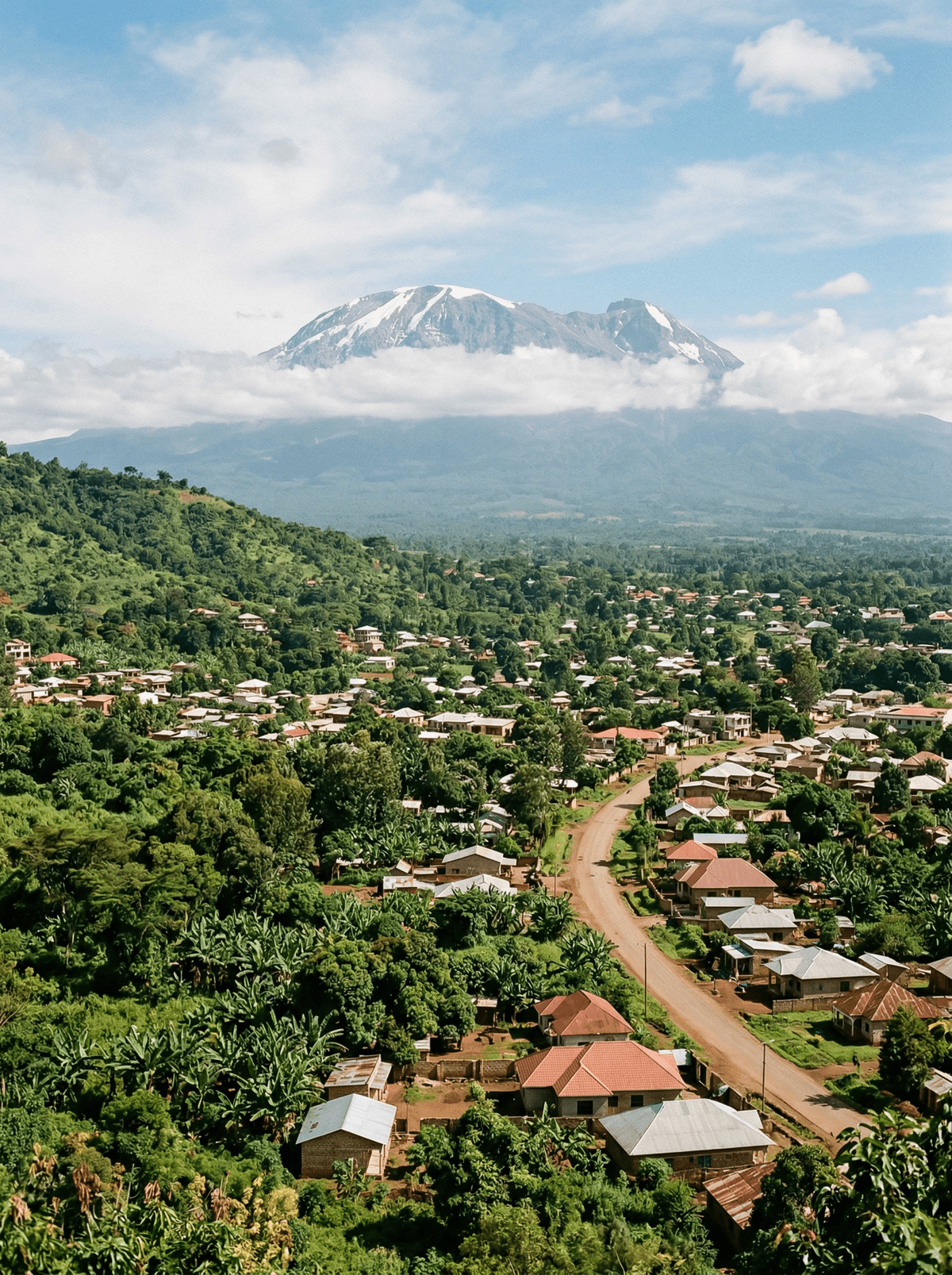
Coffee ripens on Kilimanjaro's flank above a town the Chagga farmed first.
Coffee cherries ripen on the slopes above town while Kilimanjaro decides its own weather overhead. Moshi is the mountain's gateway, and the Chagga farms around it have earned more than a pre-climb night.
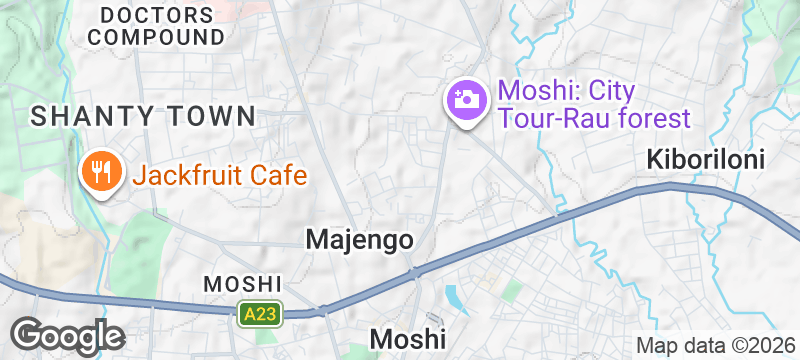
Moshi sits at 900 metres on Kilimanjaro's southern flank, gateway to the climb and centre of one of Tanzania's great agricultural belts, farmed by the Chagga for centuries. Village coffee tours end with roasting and grinding the farm's own beans, ndizi nyama, plantain slow-cooked with beef, is the Chagga table's signature, and Union Cafe in town roasts the slopes' harvest daily. Dry-window mornings, mid-year and again after the new year, put the summit clear above the main street.
Solo
Solo visitors can join an established coffee or Chagga programme and enjoy Moshi even when Kilimanjaro is clouded.
Couple
Couples can pair a foothill farm with a waterfall walk, treating any mountain view as fortunate timing.
Friends
Friends can learn the coffee process together before choosing a guided route suited to the group’s fitness.
Family
Families can choose shorter farm and waterfall programmes that make hosting and children’s stamina explicit.
- Chagga farms have worked Kilimanjaro's slopes for centuries.
- Village tours end with roasting and grinding the farm's own coffee.
- Ndizi nyama, plantain with beef, is the Chagga signature plate.
- Clear dry-season mornings put the summit above the main street.
Ndizi nyama, plantain slow-cooked with beef, is the Chagga table's own dish.
Union Cafe roasts Kilimanjaro-grown beans in town, farm tours ending the same way.
Kanchanaburi
Thailand
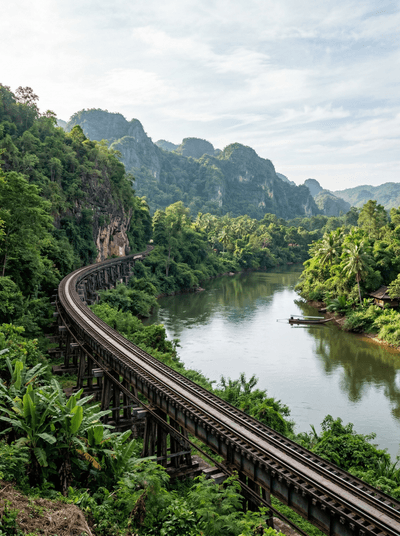
A wartime railway bridge over the River Kwai that still carries the weight of its dead.
Juneau
United States
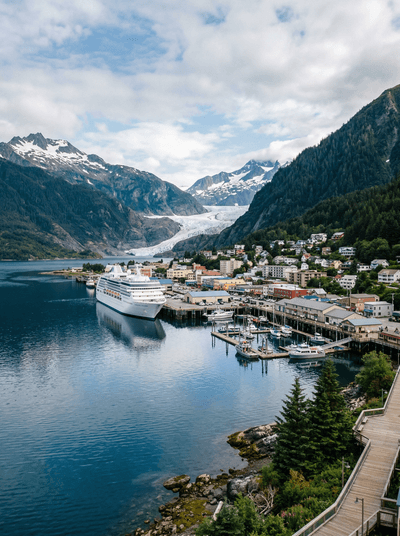
No road reaches this state capital, just fjords, glaciers and a harbour full of humpbacks.
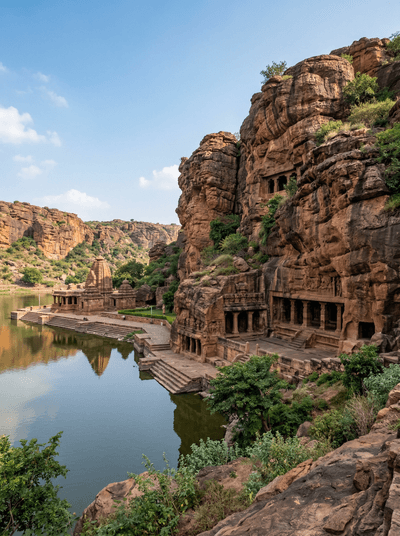
Badami
India
Rock-cut cave temples hewn directly into a blood-red sandstone ravine echoing with monkey calls.
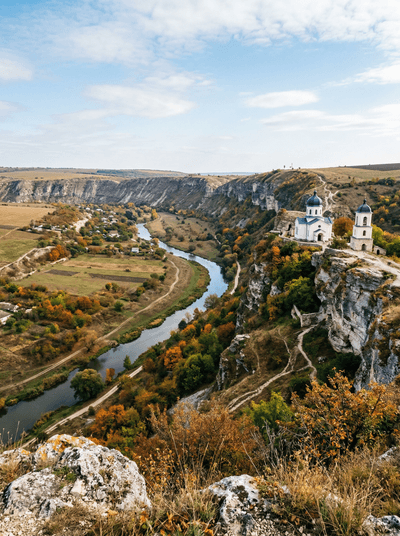
Orheiul Vechi
Moldova
Candles burn in a cliff-dug monastery cell; a Golden Horde city lies buried around the bend.
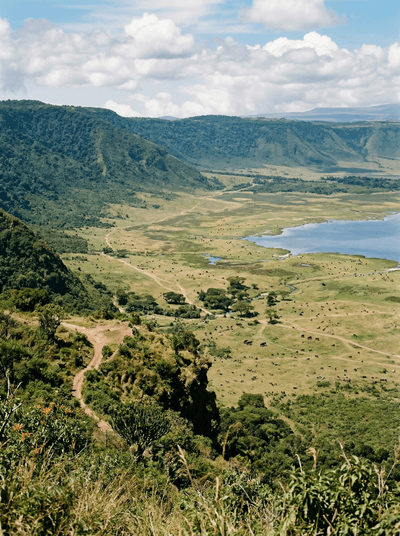
Ngorongoro Crater
Tanzania
A collapsed volcano holds its own weather, its own herds, and Maasai cattle besides.
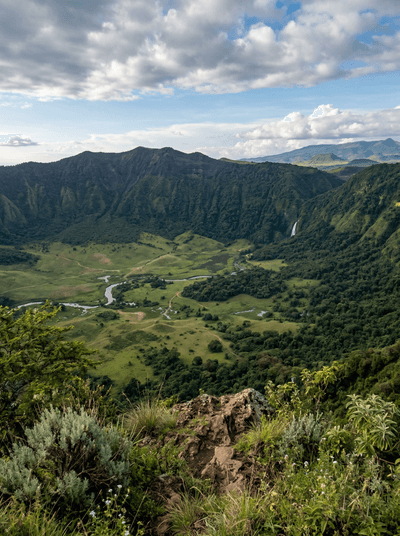
Olmoti Crater
Tanzania
A waterfall slips out of a grassy crater where cattle graze beside eland.
Usambara Mountains
Tanzania
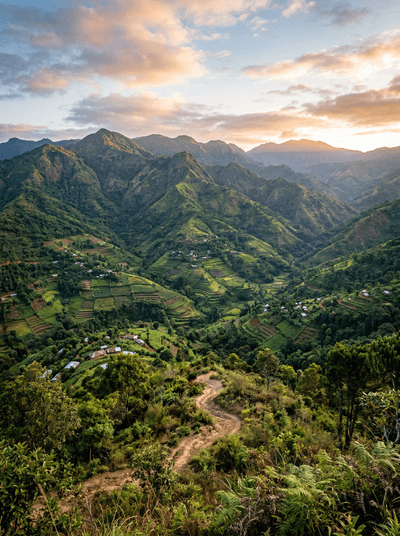
Cloud forest called the Galápagos of Africa gave the world the African violet.
Serengeti National Park
Tanzania
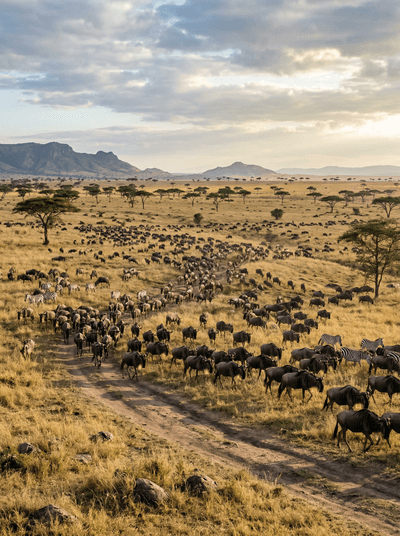
Two million animals move with the rain across plains that have never known a fence.