France
Nîmes
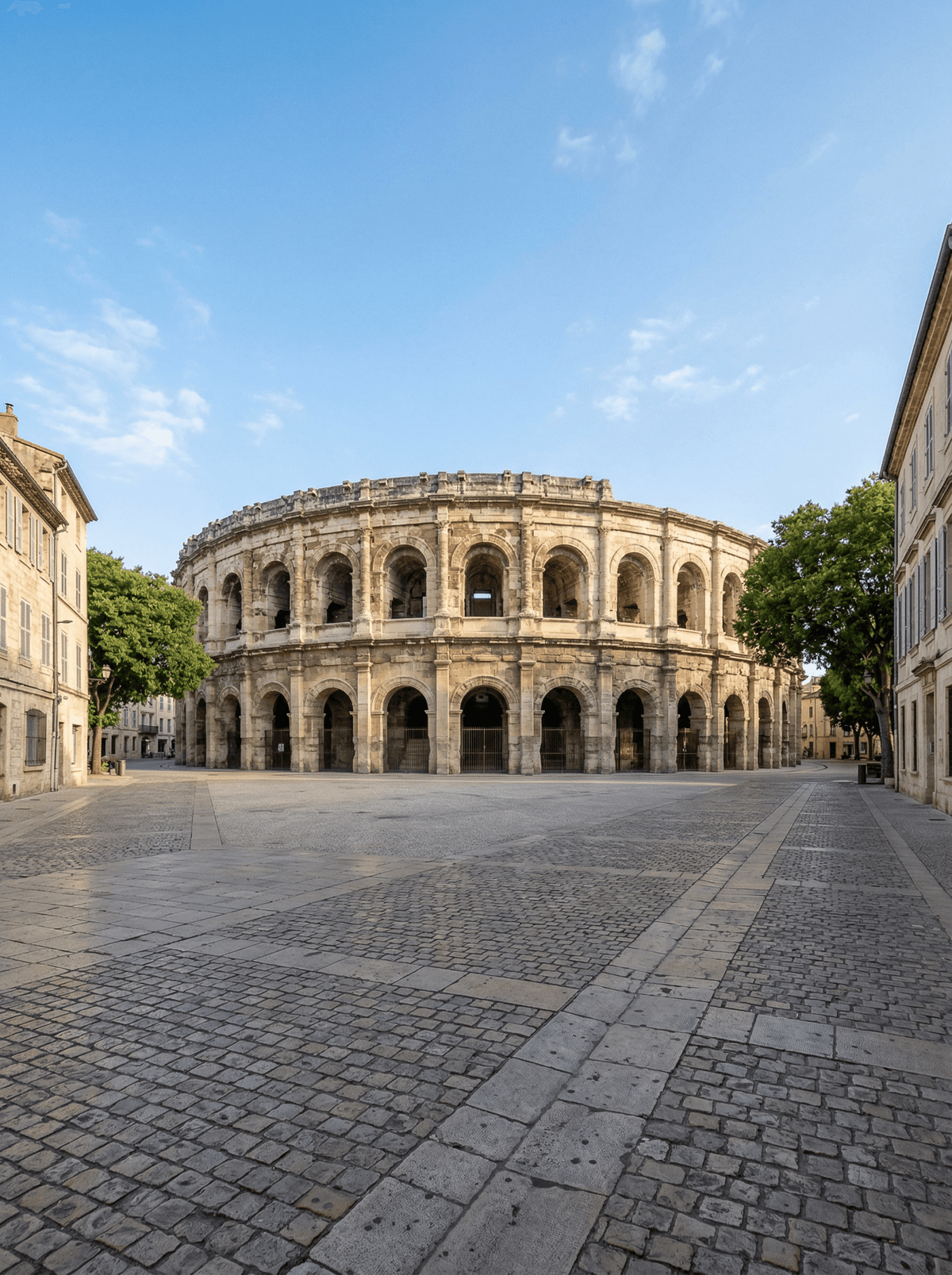
A Roman arena so intact they still fill it with sand for bullfights and rock concerts.
The amphitheatre is still working. Two thousand years after Roman engineers set each stone, the arena at Nîmes, in southern France, fills with sand, spectators and noise — bullfights in summer, concerts in the warm evenings — the limestone tiers absorbing it all with the patience of a building that has seen everything. Across the city the Maison Carrée is quieter: a Roman temple so exactly proportioned it looks like a mathematical proof in stone.
Nîmes was a major Roman colony and it keeps its monuments in working order: the first-century arena, among the best kept in the Roman world, still stages the ferias and concerts, and the Maison Carrée, the temple built for the grandsons of Augustus, is the most complete Roman temple standing anywhere, its columns and pediment intact after two millennia. Facing it across the square, Norman Foster's Carré d'Art, a glass gallery of contemporary art, was built to hold the conversation between ancient and new. The Jardins de la Fontaine climb the hillside above the town around the spring the Romans made sacred, with the Temple of Diana in the greenery and the Tour Magne watchtower at the summit. And the city gave the world's most-worn fabric its name — serge de Nîmes, denim — though the jeans connection is now more etymological than visible.
Solo
Sit in the arena in the morning before the tours arrive and feel the scale of two thousand years of continuous use. The Jardins de la Fontaine above add a quieter archaeology — Roman ruins woven through eighteenth-century parkland.
Friends
Get tickets for an event in the arena — a concert or a feria on two-thousand-year-old stone changes the context of any performance. The centre has enough restaurants and bars to run the evening well past the encore.
- The arena is so intact they still fill it with sand for events — watching a concert on two-thousand-year-old stone is surreal.
- The Maison Carrée is the most complete Roman temple standing anywhere — the proportions are mathematical and calming.
- The Jardins de la Fontaine climb a hillside of Roman ruins, canals and eighteenth-century terraces — a park with archaeological depth.
- Denim takes its name from here — serge de Nîmes — though the jeans connection is more etymological than visible.
Brandade de morue — salt cod whipped with olive oil into a silky purée — the city's signature dish.
Petit pâté nîmois — a small flaky pastry case of spiced pork and veal — eaten warm from the charcuterie.

Lopburi
Thailand
Macaques rule the Khmer ruins, snatching sunglasses from anyone who climbs the temple steps.
Diyarbakır
Turkey
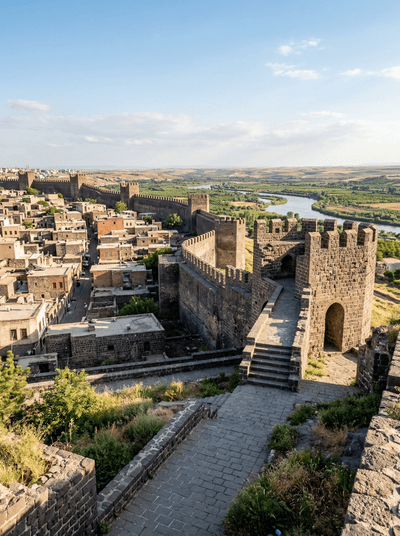
5.8 kilometres of black basalt walls encircle a city on the Tigris, contested for five millennia.
Fes el-Bali
Morocco
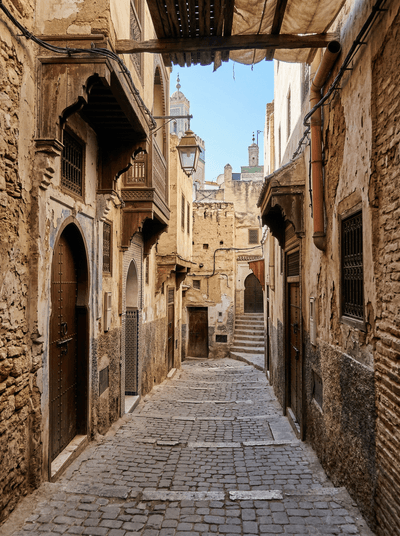
Cedar, cumin and thirty-day leather hang in lanes that refuse to tell you where you are.
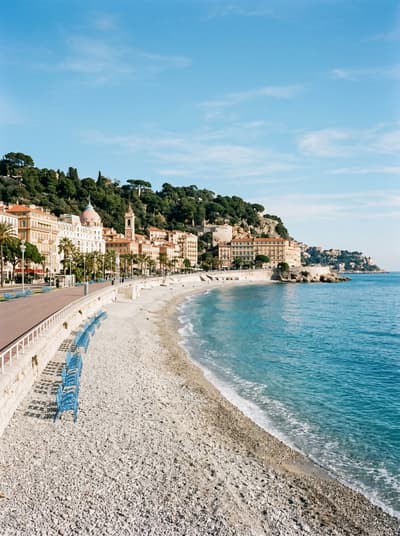
Nice
France
Italianate backstreets above a market where socca sizzles on copper pans the size of tables.
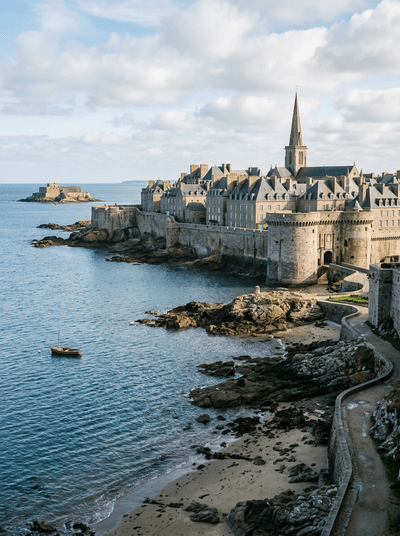
Saint-Malo
France
Granite ramparts ringing a corsair city where Europe's biggest tides lock you in twice a day.
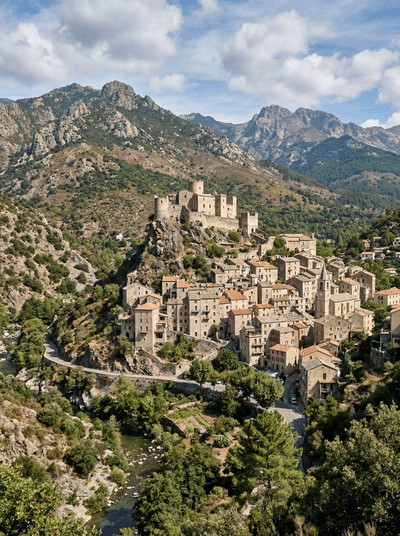
Corte
France
An eagle's-nest citadel at the heart of the mountains where independent Corsica had its capital.
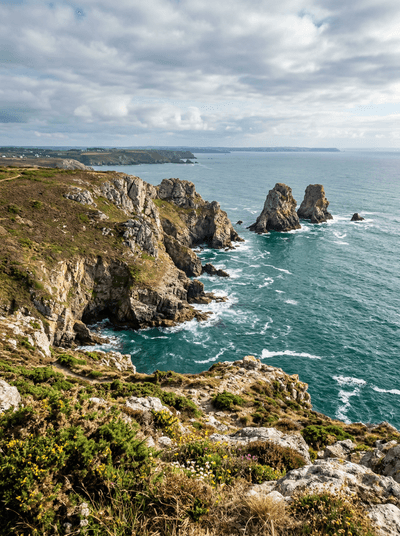
Presqu'île de Crozon
France
Sea stacks and hidden coves on a windswept peninsula where the Atlantic chews the rock raw.