
Argentina
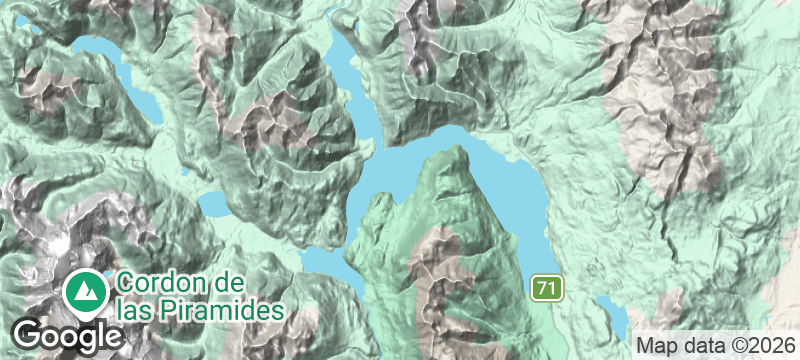
Parque Nacional Los Alerces
An alerce 2,600 years old stands in forest the axe never reached.
The great alerce at the heart of Los Alerces National Park is around 2,600 years old — already a two-century tree when Rome was founded — and the old-growth around it has never been logged. Reaching it means a lake navigation and then a walk through forest where trees of five hundred or a thousand years are unremarkable neighbours. The trunk is over two metres across; the silence is bigger.
Created in 1937 and UNESCO-listed in 2017, the park guards one of the last great stands of Fitzroya cupressoides — the Patagonian alerce, among the longest-lived tree species on Earth — across some 260,000 hectares of Andean forest, deep lakes, rivers and glacier-fed water in western Chubut. The famous elder, El Abuelo, stands in the Lago Menéndez sector, reached by the authorised boat connection and foot trail — ancient trees are never a reason to leave established access. The river-and-lake system supports wild trout water with few rivals on the continent, and the park is run deliberately by zone: register the plan, verify fire, camping and navigation rules before entry, and book ahead for high summer, when campsites fill months out. No signal, no wifi — the forest silence is the attraction, and the rangers like it that way.
Solo
Walking to the ancient alerce through forest operating on a different clock produces a temporal recalibration available nowhere else in Argentina — the boat crossing first is the transition that prepares the scale.
Couple
The full day — navigation out, the walk to El Abuelo, the return through riverside forest — is complete in itself. The infrastructure is sufficient without being convenient, which is precisely right.
Family
A tree already old when medieval Europe was being built, explained at the foot of the trunk itself, makes deep time concrete for children — and the boat makes getting there an event, not a transit.
Friends
For a group, multi-day camping, fly-fishing the wild trout water and kayaking between lakes reach a depth day visitors cannot — registered, booked and inside the park's rules.
- Alerces here were saplings before the Roman Empire — among Earth's longest-lived organisms.
- The authorised navigation and trail deliver walkers to the ancient Alerzal on its peninsula.
- No signal and no wifi reach the forest — rangers keep visits deliberately off-grid.
- High-summer campsites fill months ahead; the park runs on registration and zone rules.
Trout cooked over a permitted campfire on the lakeshore at dusk.
Simple provisions and mate shared at remote campsites under ancient trees.
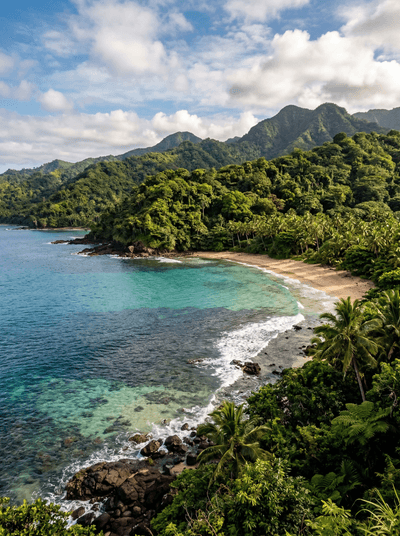
Taveuni
Fiji
Stand astride the 180th meridian in rainforest, one foot in today, one in yesterday.
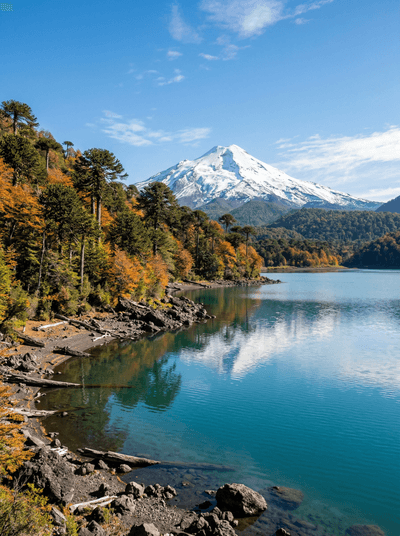
Parque Nacional Conguillío
Chile
Araucaria crowns stand over black lava and clear lakes beneath Volcán Llaima.
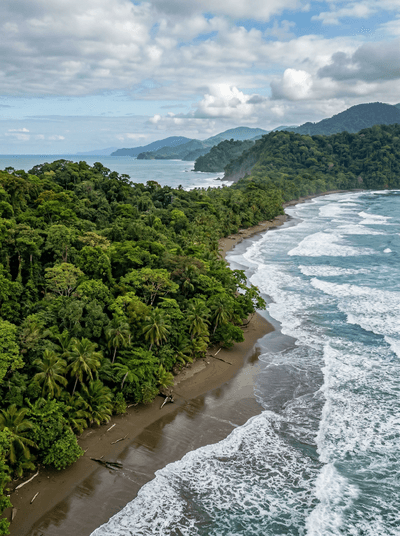
Corcovado National Park
Costa Rica
National Geographic called it the most biologically intense place on Earth. They undersold it.
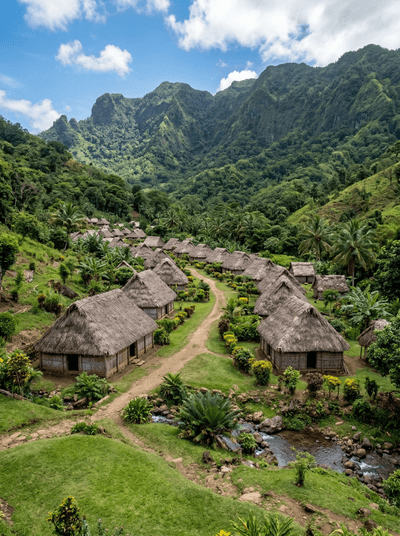
Navala Village
Fiji
Two hundred thatched bures, all built the same size, climb a valley above the Ba River.
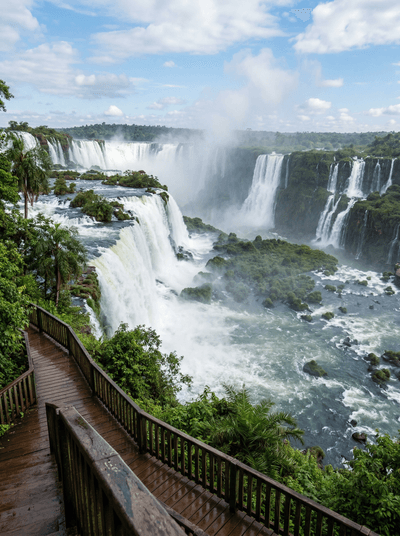
Iguazú Falls
Argentina
A river shatters into hundreds of waterfalls around the thunder of the Devil's Throat.
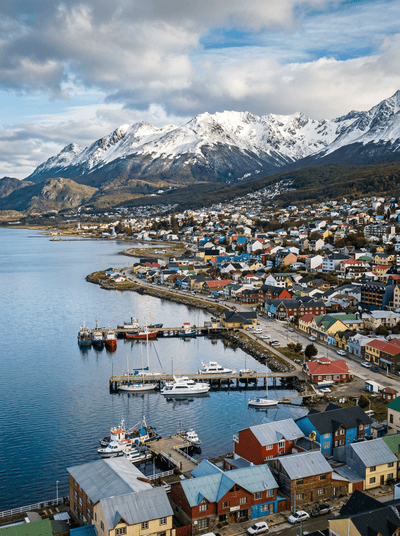
Ushuaia
Argentina
The port where Antarctica begins — beech forest climbing to glaciers at the planet's edge.
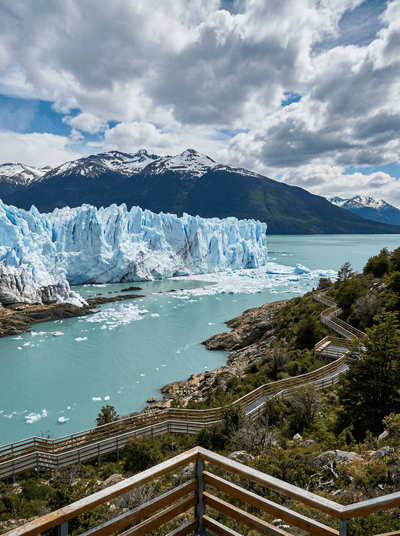
El Calafate
Argentina
A glacier calves office-block towers of ice into turquoise water as you watch.
El Chaltén
Argentina
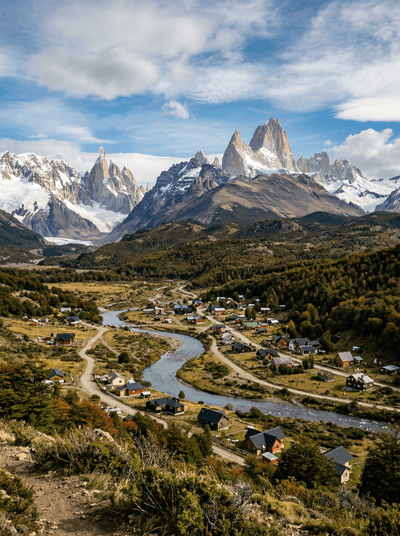
Granite spires pierce Patagonian cloud — condor country of vertical stone and wind.